
California • Est. 2019
Premium mushroom chocolate bars, gummies, and cones crafted in California. Bold flavors, uncompromising quality, and a brand built from the ground up.
Explore the CollectionOur Collection
Shruumz Chocolates & Gummies
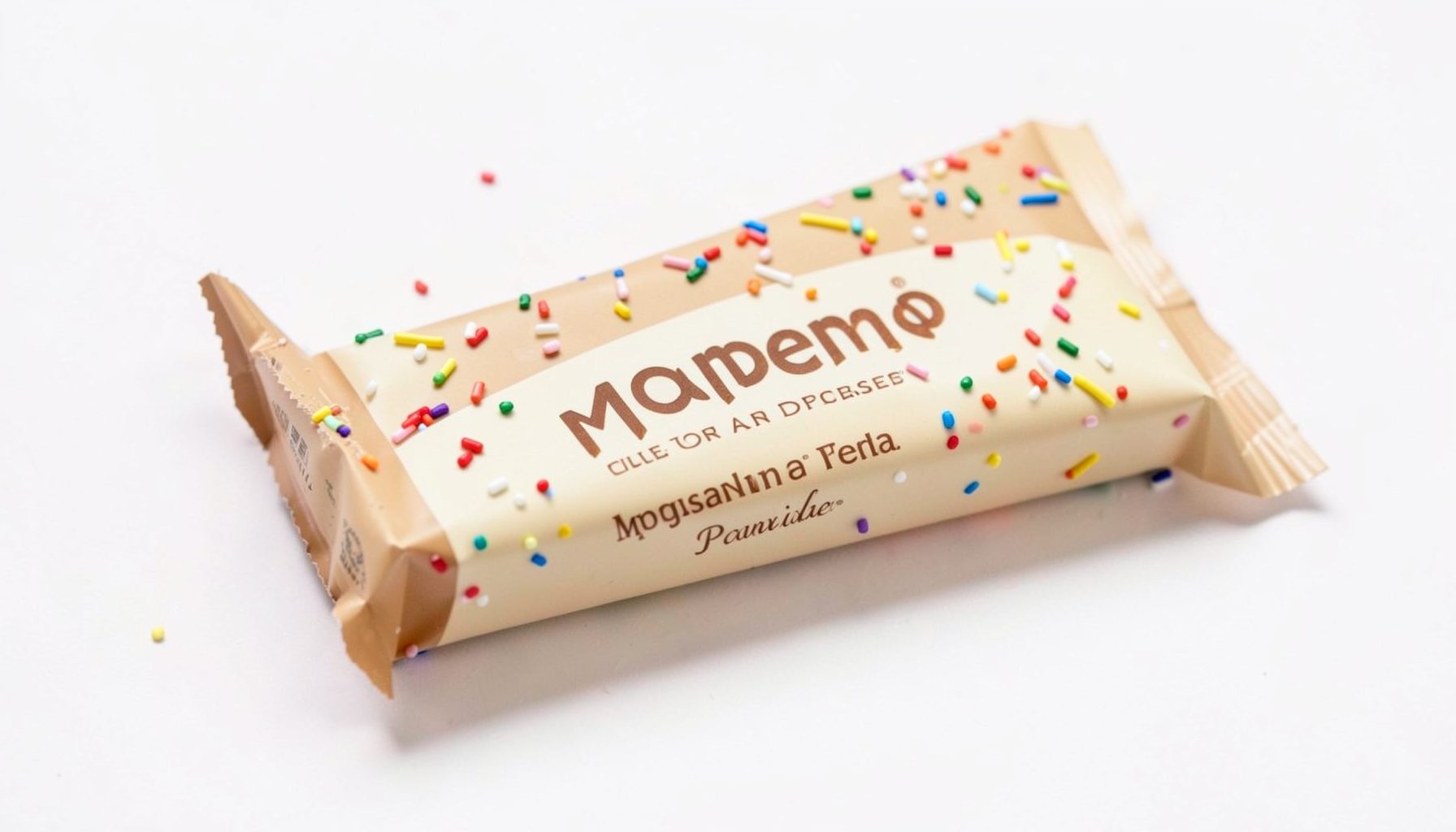
Birthday Cake
Celebratory flavor with a sweet, cake-inspired profile. Available in 1-pack and 10-pack.

Cinnamon
Warm spiced chocolate with a smooth finish. Single bars and bulk packs available.
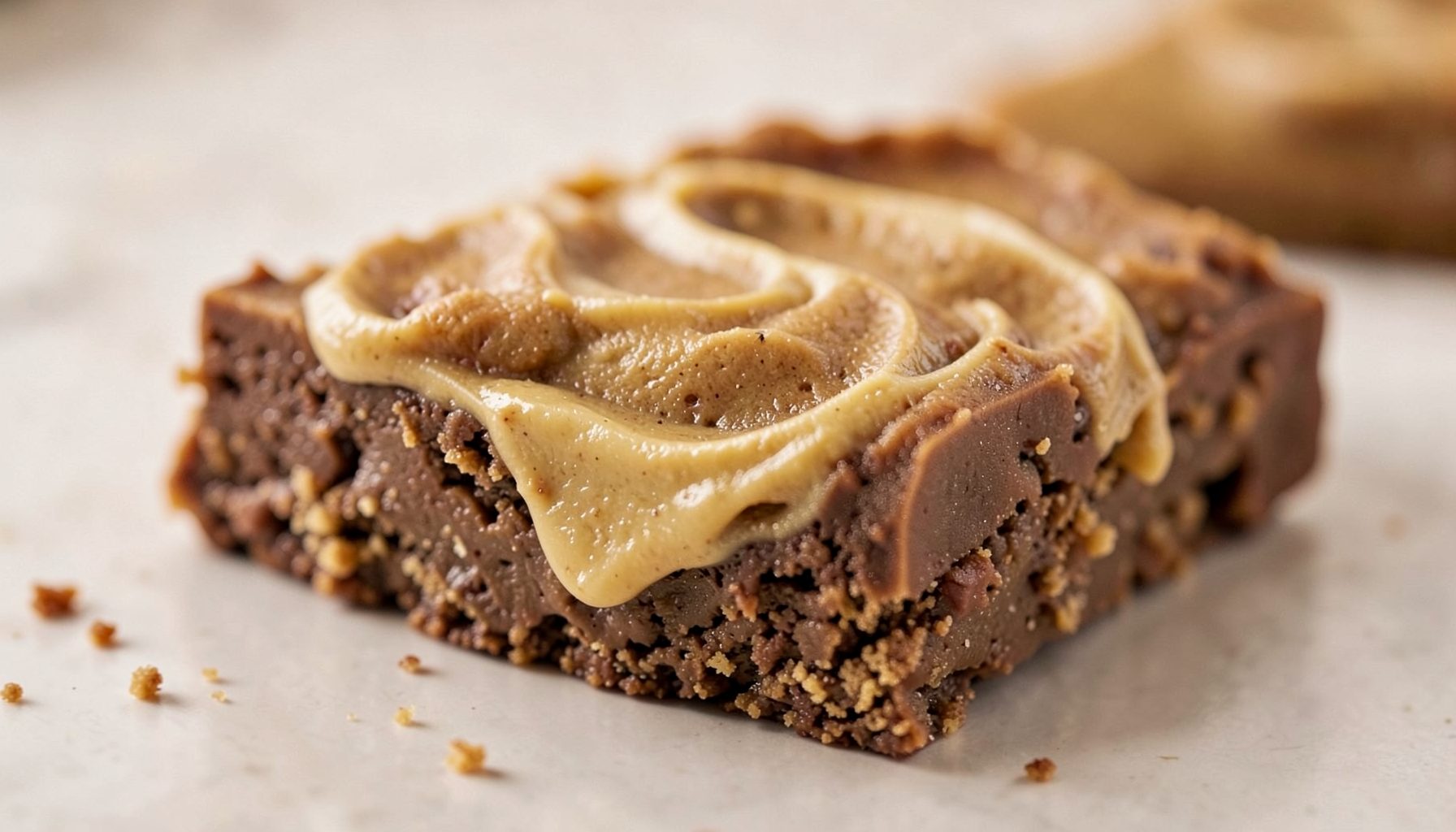
Cookie Butter
Rich, buttery cookie flavor in every bite. Offered in 1-pack and 10-pack options.

Cookies & Cream
Classic cookies-and-cream taste with a mushroom chocolate twist. 1-pack and 10-pack.
Why a usage journal can improve your mushroom experience
Trying a mushroom-infused chocolate, gummy, or cone can involve more variables than expected. Product format, serving size, food, sleep, surroundings, mood, and other substances may all influence how the experience feels. A simple usage journal creates a reliable record instead of leaving you to rely on memory.
For Australian customers, a journal can also make sense in the context of a varied local market. Whether you are in Sydney, Melbourne, Brisbane, Perth, or a regional community, products may be purchased, stored, and consumed under different conditions. Recording what happened helps you recognise your own patterns while keeping safety, moderation, and local legal requirements in view.
Why written notes are more useful than memory
Memory tends to flatten separate experiences into a general impression. A session that felt comfortable may be remembered as entirely positive, even if it included a late onset, poor sleep, or lingering unease. Another experience may seem disappointing when it was actually affected by a heavy meal, a stressful day, or unrealistic expectations.
A journal gives each occasion its own context. You can compare a chocolate bar with a gummy, note whether a product was taken with food, and record how long the effects appeared to last. This is especially helpful when exploring different flavours or pack sizes from a mushroom-focused brand such as Diamond Shruumz.
The purpose is not to chase the strongest possible effect. It is to develop a clearer understanding of your response and identify circumstances that feel manageable. A written record can also show when repeated use is becoming too frequent or when a particular product consistently produces an unwanted reaction.
What to record before and during use
Begin with the basics: date, approximate time, product format, flavour, amount, and batch or package details if available. Add information about your sleep, recent meals, hydration, mood, and surroundings. A quiet evening at home may produce a very different experience from a crowded gathering, a music festival, or a busy weekend in central Melbourne.
Record any medicines, supplements, alcohol, cannabis, or other substances involved. Combining substances can make effects less predictable, so the safest journal entry may be one that clearly notes what was not combined. If you take prescription medication or have a health condition, professional medical advice is more appropriate than relying on personal notes.
During the experience, keep observations practical rather than dramatic. Note when you first noticed changes, how intense they felt, whether your body felt comfortable, and whether you experienced anxiety, nausea, dizziness, confusion, or difficulty sleeping. Avoid driving, cycling in traffic, swimming, operating equipment, or making important decisions while affected.
Giving timing and serving size proper context
Edible products can take time to produce noticeable effects, and the delay may encourage some people to take more before the first serving has fully developed. A journal helps make the timeline visible. Write down when the product was consumed, when effects began, when they felt strongest, and when you felt back to your usual state.
Serving size should be recorded precisely rather than described as “a little” or “quite a lot”. If a product is divided, note how it was divided and whether the portion was estimated. Packaging information is useful, but it should not be treated as a guarantee of how your body will respond. Individual sensitivity can vary significantly.
Storage belongs in the same record. Heat, humidity, light, and an opened package can affect the condition of edible products over time. Before using anything kept in a cupboard or bag, review the brand’s guidance on product shelf life and follow the packaging instructions. In Australia, hot summer conditions in places such as Adelaide or Darwin make cool, dry storage particularly important.
Looking for patterns without overinterpreting them
After several entries, review the journal when you are fully clear-headed. Look for repeated associations rather than treating one unusual experience as proof. You might notice that poor sleep corresponds with more discomfort, that taking a product late affects the next morning, or that a calm setting feels easier to manage than a crowded social environment.
Keep the language neutral. “Felt unsettled after two hours” is more useful than “this product is bad”. Your notes describe your experience under particular conditions; they do not establish a universal result for other people. Product contents, individual physiology, expectations, and storage conditions can all differ.
Pay attention to warning signs. Persistent distress, repeated nausea, severe confusion, chest pain, trouble breathing, loss of consciousness, or behaviour that creates immediate danger requires urgent medical attention. In Australia, call Triple Zero (000) for an emergency, and keep the product packaging available for health professionals where possible. A journal is a tracking tool, not a substitute for care.
A practical system you will actually maintain
The best format is the one you can use consistently. A notes app, private spreadsheet, paper notebook, or calendar entry can work. Keep the language brief and factual, and write a follow-up note the next day so you can include sleep quality, mood, and any lingering effects.
When considering a new product, check the ingredient information, stated serving guidance, and storage instructions first. The brand’s discussion of sourcing, including its California farm partnership, may also help you understand how the company describes its supply relationships. That information should complement, rather than replace, careful attention to the specific package in your possession.
Useful details for each entry
- Date, time, product, flavour, and measured amount
- Food, hydration, sleep, mood, and setting
- Other substances, medicines, or supplements
- Onset, peak, duration, after-effects, and next-day wellbeing
Reasons to pause and review
- The experience becomes increasingly intense or uncomfortable
- You feel pressure to use more often or in larger amounts
- Sleep, work, study, relationships, or driving are affected
- You are unsure about legality, ingredients, interactions, or product condition
For Australian readers, also record where the product was obtained and whether it was stored during transport or hot weather. Mushroom products can be subject to legal restrictions, and laws may differ between federal and state or territory settings. Check current official guidance before purchasing, possessing, or using any product, rather than assuming that online availability means unrestricted legality.
A good usage journal does not need to be elaborate. A few accurate lines can reveal timing, context, storage, and wellbeing patterns that memory misses. The key point to remember is that written observations support safer, more informed decisions, while responsible use, legal awareness, and professional help remain essential when concerns arise.

Send Us a Message
Get in Touch
Have questions about our products or your order? Reach out and we'll get back to you.
- California, USA
- Contact Page