
California • Est. 2019
Premium mushroom chocolate bars, gummies, and cones crafted in California. Bold flavors, uncompromising quality, and a brand built from the ground up.
Explore the CollectionOur Collection
Shruumz Chocolates & Gummies
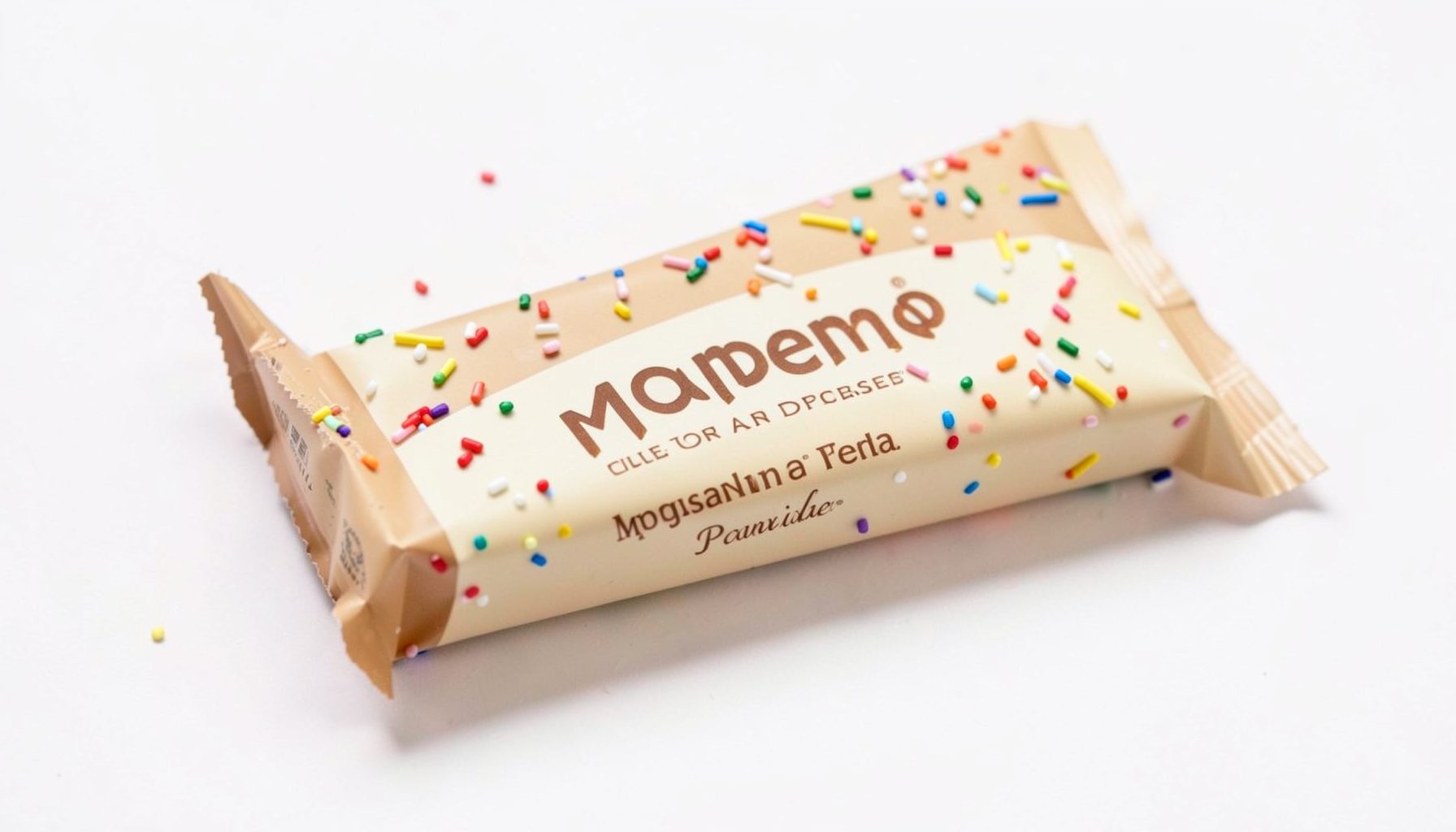
Birthday Cake
Celebratory flavor with a sweet, cake-inspired profile. Available in 1-pack and 10-pack.
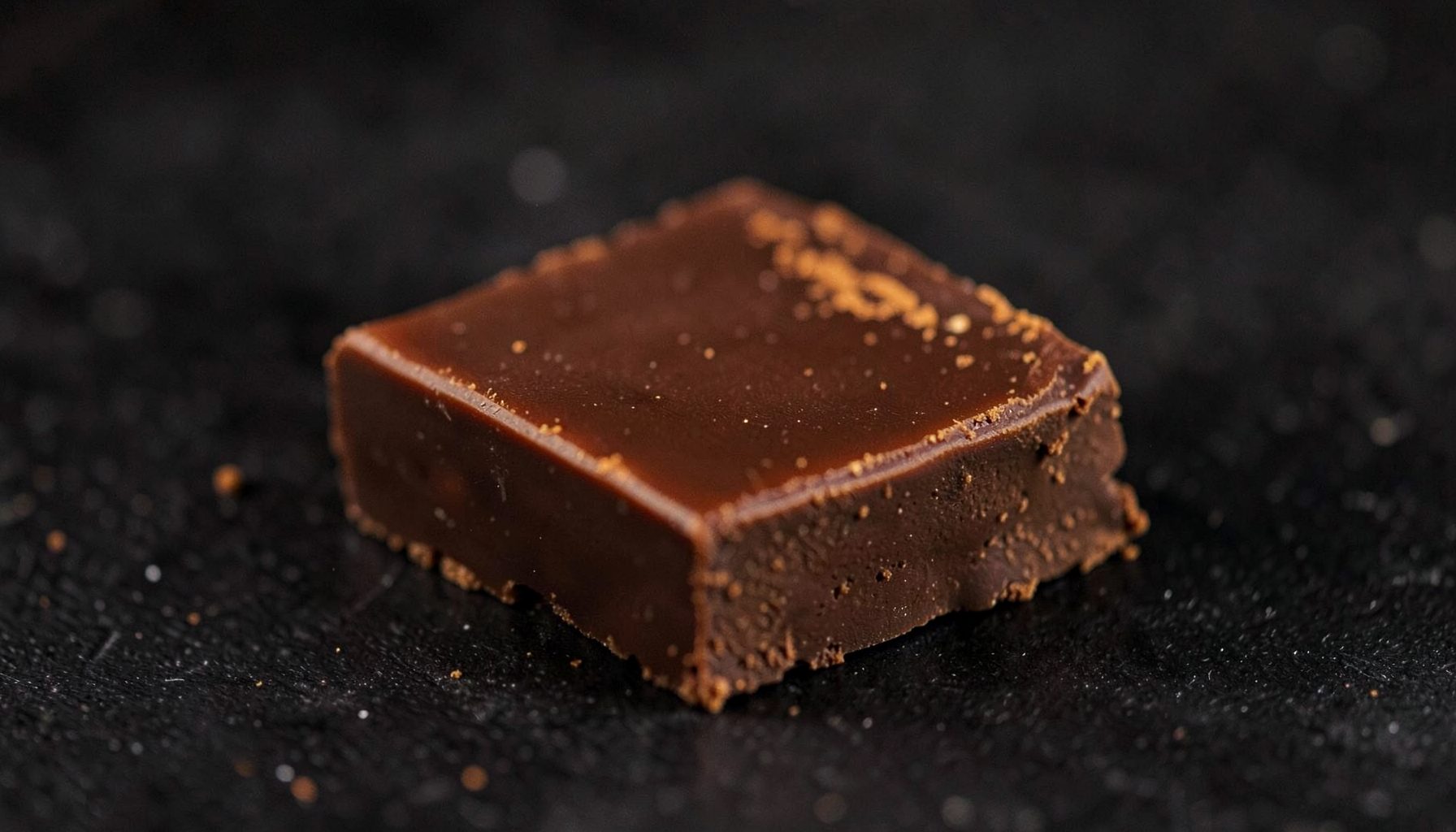
Cinnamon
Warm spiced chocolate with a smooth finish. Single bars and bulk packs available.
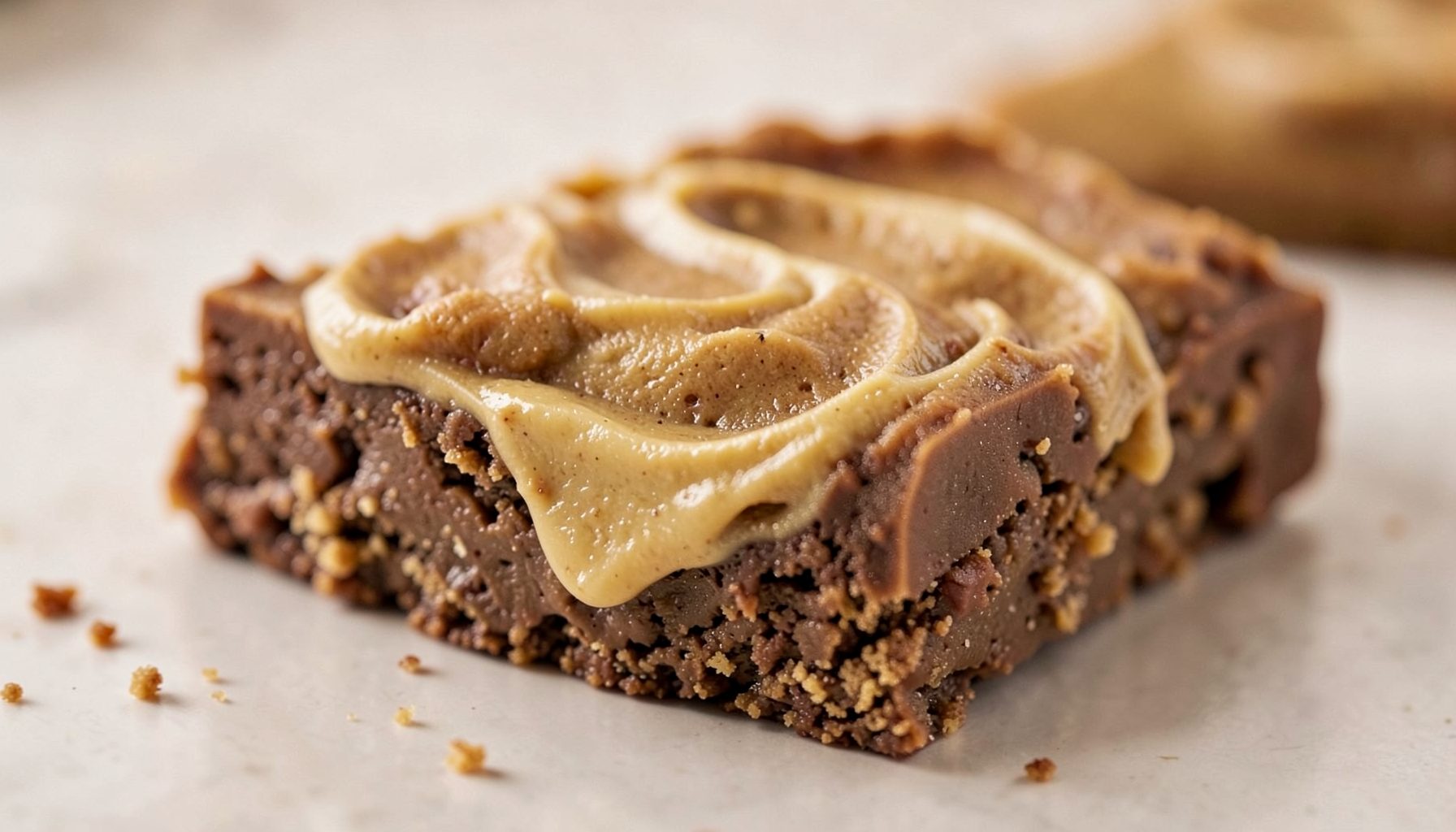
Cookie Butter
Rich, buttery cookie flavor in every bite. Offered in 1-pack and 10-pack options.

Cookies & Cream
Classic cookies-and-cream taste with a mushroom chocolate twist. 1-pack and 10-pack.
Why mushroom-growing regions matter to our California sourcing
Mushrooms are shaped by their growing environment. Temperature, humidity, substrate, water quality, cultivation methods, and harvest timing can all influence the appearance and composition of a finished ingredient. That is why sourcing decisions involve more than finding a supplier with available inventory.
For a California mushroom brand, regional sourcing can also support closer oversight. Growers within practical reach are easier to communicate with, visit, evaluate, and coordinate with when a specification changes. Shorter supply routes may simplify handling and help preserve the condition of delicate ingredients before they reach production.
Our products are designed around clear flavor experiences and consistent serving formats, from chocolate bars and gummies to cones. Choosing suitable California grow regions helps create a dependable foundation for that work while keeping attention on ingredient identity, responsible processing, and transparent product information.
California’s varied growing environments
California contains a broad range of microclimates. Coastal areas may offer cooler, steadier conditions, while inland valleys can provide different temperature patterns and seasonal changes. Northern forests, foothill communities, and agricultural regions each present their own advantages for mushroom cultivation.
The right region depends on the species and the cultivation system. Some mushrooms perform best under carefully controlled indoor conditions, while others are selected for traits that develop under particular humidity, airflow, or substrate protocols. Regional expertise can be as important as the address of the growing facility.
We therefore look at a growing region as part of a larger production profile. Location matters, but it is considered alongside sanitation, documented procedures, harvest practices, testing, and the grower’s ability to deliver a stable ingredient over time.
Consistency begins before manufacturing
A finished edible should have predictable characteristics from batch to batch. That does not mean every natural ingredient is identical; it means the production team needs reliable specifications and a clear understanding of normal variation. Strong relationships with selected growers make that process more manageable.
Regional suppliers may also make communication more direct. Questions about cultivation cycles, storage conditions, or harvest lots can be addressed without relying on a long chain of intermediaries. This supports better records and gives quality teams more visibility into the ingredient’s journey.
For mushroom-infused products, consistency is especially important because the ingredient must work within a measured formula. Chocolate, gummies, and cones have different textures, moisture levels, and processing requirements. A well-characterized mushroom input helps each format perform as intended.
Quality control is a shared responsibility
Sourcing from a specific grow region does not replace testing or verification. It is one part of a quality program that should include supplier review, lot identification, appropriate storage, and checks performed by qualified laboratories when relevant to the product.
We pay attention to how mushrooms are cultivated, harvested, dried, milled, and transported. Poor handling at any stage can affect freshness or create avoidable quality concerns. Clear documentation helps connect a finished package with the ingredient lots used to make it.
Ingredient transparency also means communicating what a product contains and how it is intended to be used. Customers should be able to review serving information, ingredients, and applicable warnings before purchase. Product details should never be treated as a substitute for personal medical advice or local legal guidance.
Regional sourcing compared with distant supply chains
Distance is not the sole measure of quality, and a nearby supplier is not automatically the best supplier. Still, California-based sourcing can offer practical advantages when the grower meets the required standards and maintains dependable documentation.
| Sourcing consideration | California grow region | Distant supply chain |
|---|---|---|
| Communication | Often easier to coordinate directly | May involve several intermediaries |
| Transit time | Potentially shorter and simpler | Can include longer, multi-stage shipping |
| Regional knowledge | Familiarity with local cultivation conditions | Knowledge may be less accessible to the buyer |
| Oversight | Visits and relationship building may be more practical | Audits can require greater planning |
| Supply resilience | May support responsive regional partnerships | May provide broader geographic diversification |
| Quality expectations | Still depends on testing and procedures | Still depends on testing and procedures |
The comparison is not about labeling one model universally superior. A responsible sourcing program weighs quality, traceability, availability, environmental considerations, and business continuity. In some cases, geographic diversity can reduce dependence on a single area; in others, a focused regional network can improve collaboration.
The key is to make the decision deliberately. Grow regions are selected because they fit a defined quality and supply strategy, not because a location alone guarantees a better mushroom.
Building trust through traceability
Traceability gives a product history. It can identify the grower, cultivation lot, processing date, storage conditions, and manufacturing batch. These records help teams investigate questions quickly and support more disciplined inventory control.
A regional relationship can strengthen that traceability because the brand and supplier have more opportunities to align their systems. Shared expectations around lot coding, specifications, and documentation reduce ambiguity when materials move from cultivation to manufacturing.
This approach also supports honest customer communication. We can describe sourcing principles without overstating what geography can prove. A California origin may contribute to oversight and logistics, but quality still depends on the complete chain of cultivation, testing, formulation, packaging, and storage.
Choosing products with care
Mushroom products can differ substantially in ingredients, potency, serving size, and intended experience. Before selecting a product, customers should read the package information and consider their own sensitivity, medications, age, and local regulations. Psychoactive or functional ingredients may not be appropriate for everyone.
Flavor is part of the experience, but it should come after understanding the product format. A chocolate bar, gummy, or cone may have a different serving structure and onset profile. Keeping servings measured and avoiding combinations with alcohol or other intoxicating substances is a prudent approach.
For those reviewing available formats and flavor options, the product collection provides a central place to examine current offerings. Anyone ready to purchase should verify the selected items, quantities, delivery details, and applicable restrictions before using the shopping cart.
Practical checks before you buy
A thoughtful sourcing story should be matched by thoughtful product evaluation. Look for information that makes the ingredient and serving format understandable rather than relying only on broad wellness language or attractive packaging.
Use these checks when comparing mushroom-infused products:
- Review the full ingredient list, serving size, and directions for use.
- Look for batch, testing, or quality information that supports traceability.
- Confirm that the product is legal to purchase and possess where you live.
- Avoid mixing intoxicating mushroom products with alcohol, medications, or other substances without professional guidance.
- Store the product securely and keep it away from children and anyone who should not consume it.
Regional sourcing is ultimately about building a stronger chain from cultivation to customer. By working with suitable California growers, maintaining clear standards, and explaining product information carefully, we can make mushroom-based formats with greater consistency and accountability. Explore the available flavors and read each product’s details before choosing the option that fits your needs.

Send Us a Message
Get in Touch
Have questions about our products or your order? Reach out and we'll get back to you.
- California, USA
- Contact Page