
California • Est. 2019
Premium mushroom chocolate bars, gummies, and cones crafted in California. Bold flavors, uncompromising quality, and a brand built from the ground up.
Explore the CollectionOur Collection
Shruumz Chocolates & Gummies
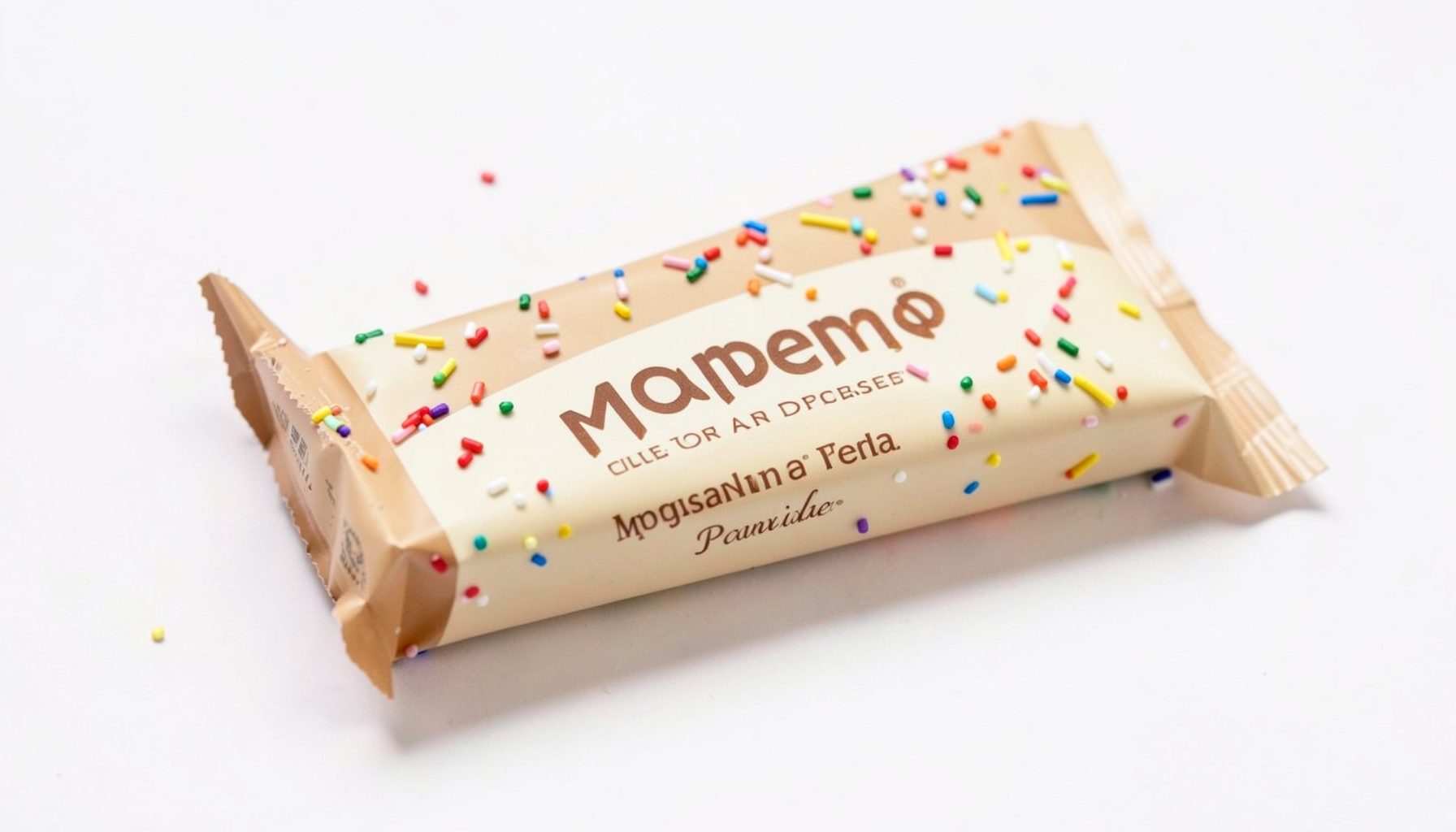
Birthday Cake
Celebratory flavor with a sweet, cake-inspired profile. Available in 1-pack and 10-pack.
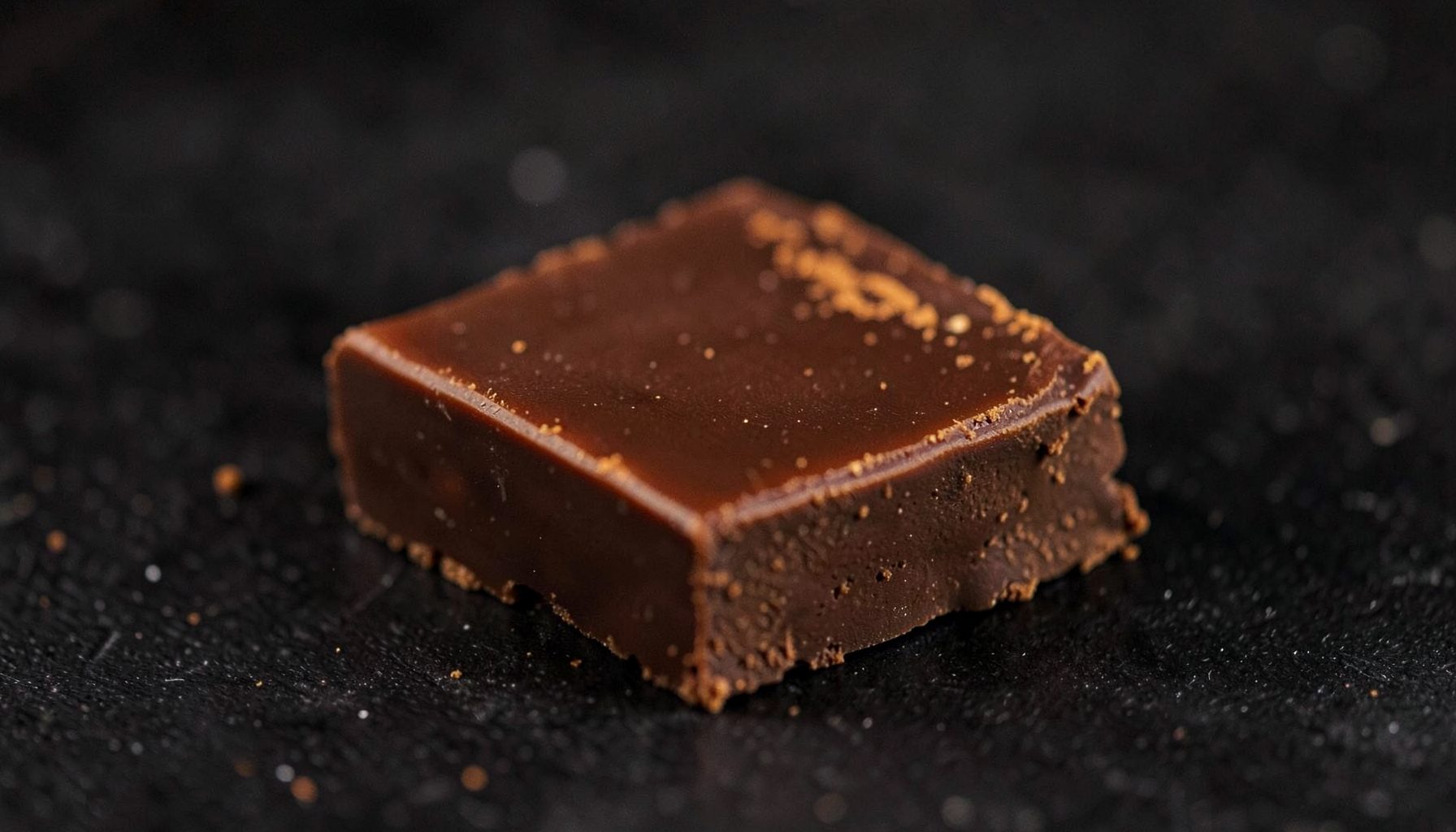
Cinnamon
Warm spiced chocolate with a smooth finish. Single bars and bulk packs available.
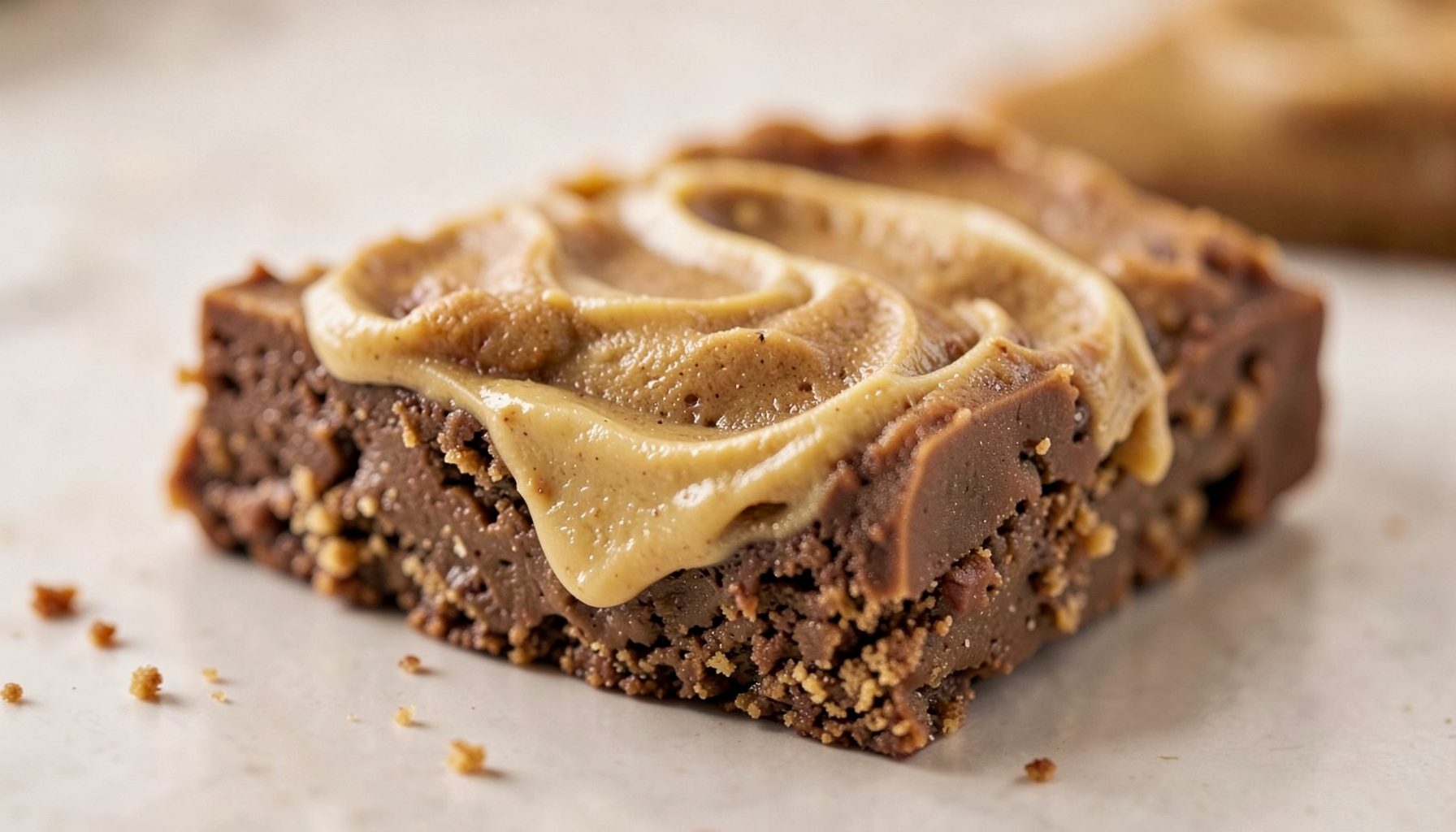
Cookie Butter
Rich, buttery cookie flavor in every bite. Offered in 1-pack and 10-pack options.
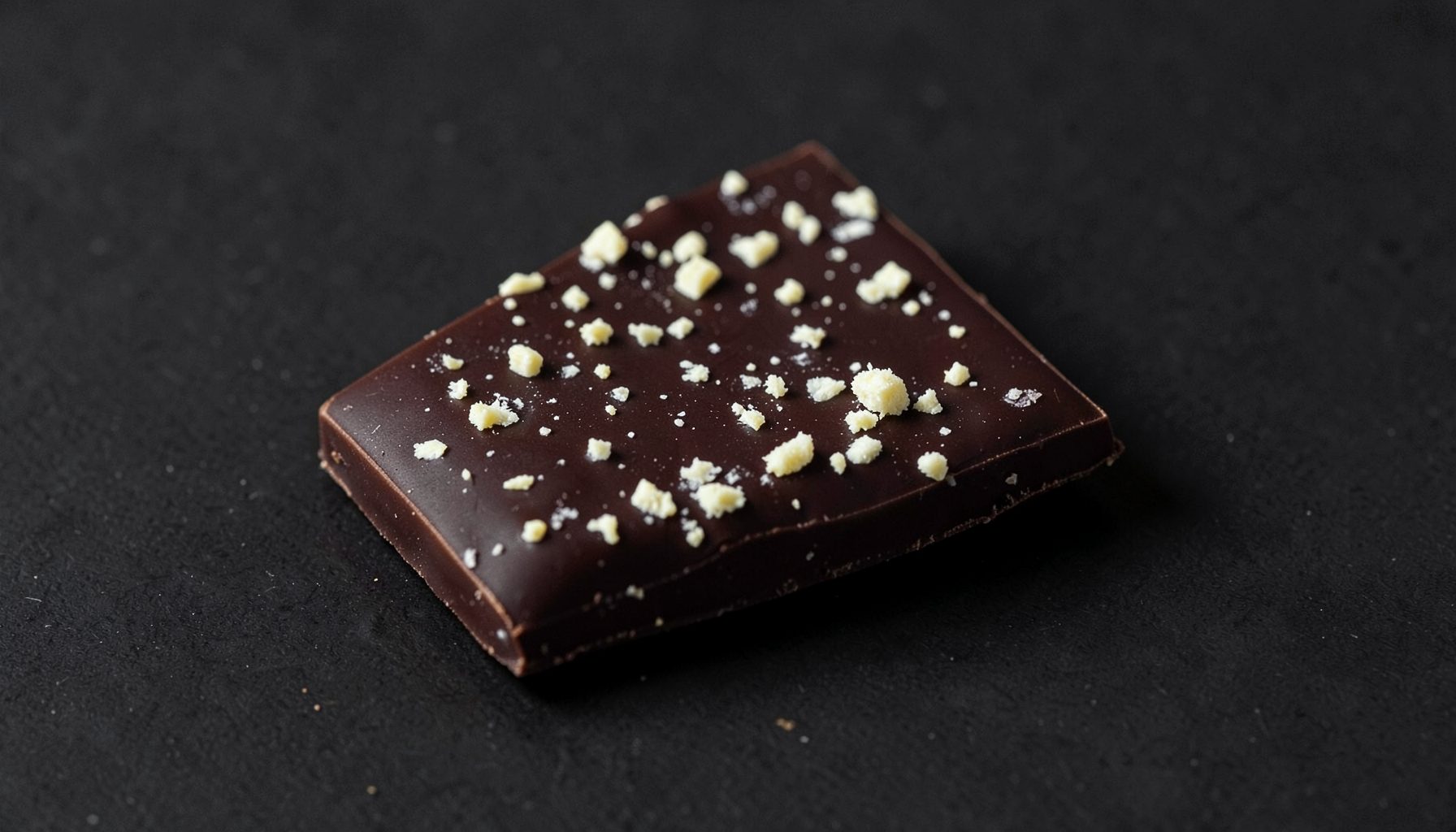
Cookies & Cream
Classic cookies-and-cream taste with a mushroom chocolate twist. 1-pack and 10-pack.
Why We Test for Residual Solvents in Every Extract
Australian consumers have grown more curious about what sits inside the mushroom-infused products they pick up from Sydney wellness shops, Melbourne apothecaries, and online storefronts shipping to Brisbane or Perth. That curiosity pushes every brand toward greater transparency about sourcing, formulation, and the chemistry between harvest and finished product. Residual solvents are part of that story and the kind of detail that separates a serious manufacturer from one that hopes you never ask.
Residual solvents are traces of the chemicals used during extraction to pull active compounds from mushroom material. Common examples include ethanol, methanol, acetone, ethyl acetate, and hexane. Most evaporate cleanly when handled properly, but a small fraction can cling to plant matter or hide inside complex molecules. Even at parts-per-million levels, those leftovers reveal whether a producer invested in proper post-processing or skipped a step.
At Diamond Shruumz, every extract that goes into a finished batch is screened for solvent residues before it touches a chocolate mold or gummy tray. This article walks through what those tests look for, why skipping them is never an option, and how Australian buyers can use the published data.
What Residual Solvents Actually Are
Residual solvents are organic volatile chemicals that remain in an extract after manufacturing finishes. During extraction, a solvent acts as a carrier, dissolving target compounds and separating them from raw mushroom biomass. Once the work is done, the solvent should be removed through evaporation, vacuum stripping, or another recovery method.
The most common solvents in this industry are ethanol, methanol, acetone, and ethyl acetate. Ethanol is generally considered the safest food-grade option, while methanol and hexane carry stricter limits because they are more hazardous at lower doses. The Australian Therapeutic Goods Administration (TGA) and equivalent international bodies publish maximum allowable concentrations, and reputable manufacturers treat those limits as ceilings, not targets.
When an extract leaves a poorly controlled facility, solvent residues can exceed safe thresholds without anyone noticing until a consumer reports an unexpected reaction. That is why residual solvent testing is treated as a non-negotiable checkpoint rather than a finishing touch.
Where Solvents Enter the Extraction Picture
Extraction efficiency depends on choosing the right solvent for the target compounds. Polar solvents like ethanol and methanol pull a broad spectrum of constituents, while non-polar options like hexane suit certain fat-soluble fractions. The trade-off is that some solvents are harder to remove completely, especially when they bond with fibrous plant material or get trapped inside lipid structures.
A responsible operation selects food-grade solvents, documents every batch, and applies enough heat, vacuum, and time to drive residues down to safe levels. It then verifies the result with analytical testing rather than trusting the process to behave identically every time. The verification step is where many smaller producers cut corners, often because third-party analysis feels expensive.
The Risks When Testing Gets Skipped
Skipping residual solvent analysis can introduce cumulative toxicity. A single dose of a slightly contaminated extract may not produce visible symptoms, but repeated daily use — which is how most wellness-minded Australians consume these products — can stress the liver, irritate mucous membranes, or trigger sensitivities in people with chemical intolerances.
The Australian market has seen imported products pulled from shelves after the TGA flagged undeclared contaminants or solvent residues above permitted levels. Those recalls erode trust in an entire category, not just one brand. For a manufacturer building a long-term relationship with Australian buyers, proactive testing is the cheapest insurance policy available.
Calling a product "natural" or "pure" without solvent data is also increasingly risky, because informed consumers — and the influencers shaping their choices — know how to spot vague claims. Testing is what turns a label into evidence.
Inside Our Lab Process and Standards
Every extract lot we produce is sampled at the point of manufacture and sent to an independent third-party laboratory accredited under ISO/IEC 17025. Samples are analyzed by gas chromatography coupled with mass spectrometry, the gold standard for separating and identifying volatile compounds at parts-per-million sensitivity. The lab screens for a broad solvent panel rather than only the ones we use, because cross-contamination from shared equipment is a real risk.
Each certificate of analysis lists every solvent detected, the measured concentration, and the applicable limit. If a result exceeds the threshold, the entire lot is rejected. We do not blend a flagged batch with a clean one to "dilute" the issue, and we do not ship it under a different SKU. The only acceptable outcome is a pass.
This is also why we publish results openly rather than guarding them as proprietary information. Consumers deserve to see the same data we use.
How Australian Consumers Can Read the Numbers
Australian buyers have grown accustomed to scanning QR codes on supplement labels, and mushroom-infused products are no exception. Every Diamond Shruumz product links to a batch-specific certificate of analysis listing the residual solvent panel alongside potency and contaminant results. Look first for whether the panel says "ND" (not detected) or shows a numerical value below the limit listed in the same row.
It also helps to know the difference between the limit of detection and the limit of quantification. The detection limit is the smallest concentration the instrument can register; the quantification limit is the smallest concentration the lab can confidently measure as a specific number. Anything below the quantification limit is typically reported as a trace or as ND. For a deeper walkthrough, our guide on reading lab reports breaks it down step by step.
For shoppers in Sydney and Melbourne, where wellness retailers often stock multiple competing brands, the published COA is the fastest way to compare products on equal footing. If a brand refuses to share test results, that silence is itself a data point.
Quality Beyond Solvents — Sourcing and Flavor
Solvent testing is one slice of a much larger quality picture. The starting mushroom material, the extraction environment, the flavoring compounds layered on top, and the packaging all influence the finished product. When we evaluate a new flavor profile, we run the same analytical scrutiny on the flavor inputs as on the extract itself, because a beautifully tested extract can be undermined by a flavoring agent that introduces its own solvent residues or allergens. The reasoning behind those flavor decisions is documented in our flavor development guide for anyone curious about how a new SKU moves from concept to shelf.
This standard allows us to ship nationwide — to Adelaide customers ordering online, to Perth buyers who prefer in-store pickup — without compromising product integrity in transit. Climate-controlled packaging and sealed formats help, but the foundation is still the analytical work done before the product leaves our facility. When you're ready to experience the result, the full range is available through our online store.
Practical Habits for Buying with Confidence
- Always request a current certificate of analysis before purchasing a mushroom-infused product, especially from a new brand or retailer.
- Confirm the lab on the COA is accredited to ISO/IEC 17025 or an equivalent standard, and that the report is batch-specific rather than generic.
- Compare residual solvent results against limits published by the Australian TGA or USP <467>, depending on which framework the brand references.
- Treat "natural" or "pure" labels as starting points for further questions rather than final answers, and favor brands that publish full testing panels.
- Store finished products in cool, dry conditions away from direct sunlight, since heat can occasionally shift residual volatile profiles over time.
Residual solvent testing is rarely glamorous and almost never appears on a product label, but it is one of the clearest signals that a manufacturer takes the long view. A brand that invests in independent analysis today is the same brand that will avoid spending reputation capital on a recall tomorrow. For Australian consumers building a wellness routine around mushroom-infused products, asking about residual solvents is a habit worth keeping, and a question every reputable producer should welcome with paperwork in hand.

Send Us a Message
Get in Touch
Have questions about our products or your order? Reach out and we'll get back to you.
- California, USA
- Contact Page