
California • Est. 2019
Premium mushroom chocolate bars, gummies, and cones crafted in California. Bold flavors, uncompromising quality, and a brand built from the ground up.
Explore the CollectionOur Collection
Shruumz Chocolates & Gummies
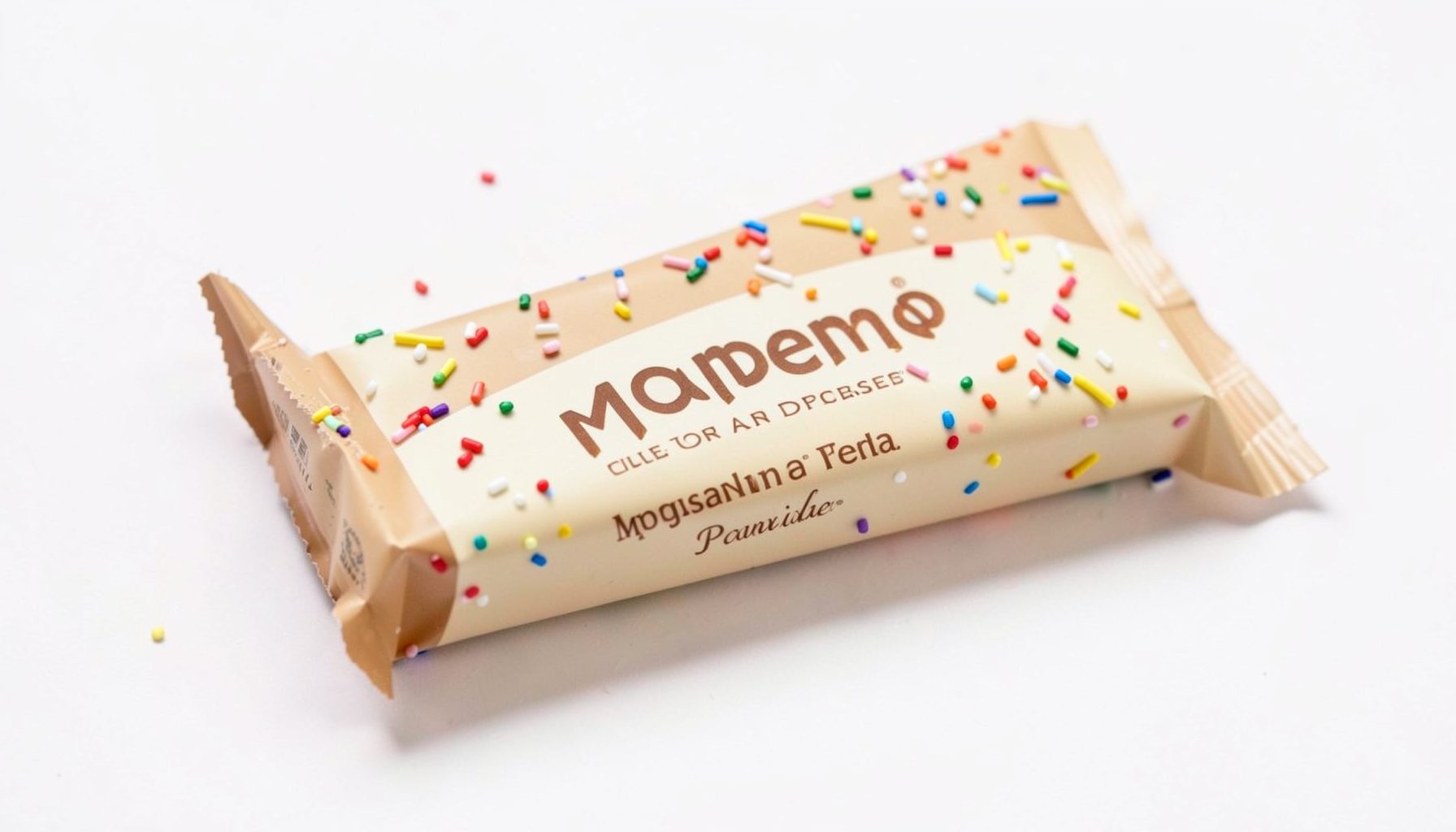
Birthday Cake
Celebratory flavor with a sweet, cake-inspired profile. Available in 1-pack and 10-pack.

Cinnamon
Warm spiced chocolate with a smooth finish. Single bars and bulk packs available.
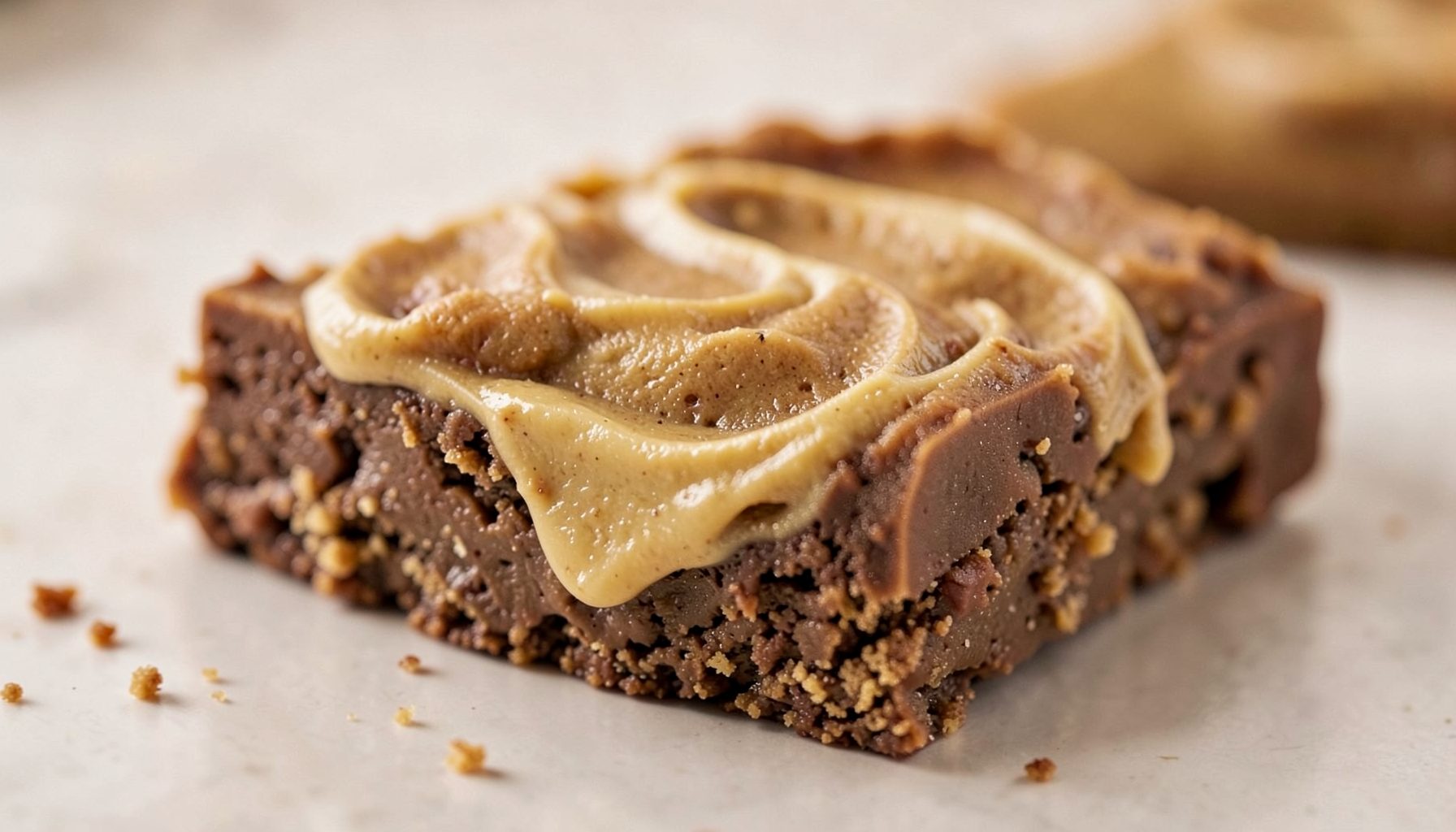
Cookie Butter
Rich, buttery cookie flavor in every bite. Offered in 1-pack and 10-pack options.

Cookies & Cream
Classic cookies-and-cream taste with a mushroom chocolate twist. 1-pack and 10-pack.
Why Responsible Mushroom Sourcing Matters in Australia
A mushroom supplement can look simple on a shelf: a chocolate bar, gummy, capsule, or powder with an appealing flavour and a promise of plant-based wellness. Behind that product, however, sits a chain of growers, processors, laboratories, packers, importers, and retailers. Ethical sourcing asks whether that chain protects people, ecosystems, and customers.
For Australian shoppers, the question has added weight. Products may arrive through international supply networks, pass through different regulatory categories, and use terms such as “functional mushroom”, “adaptogen”, or “wellness blend” in ways that are not always consistent. Clear sourcing information helps people understand what they are actually buying.
Responsible procurement also affects quality. Species identity, growing medium, harvest conditions, extraction methods, and storage can all influence the final ingredient. A polished label cannot compensate for an uncertain supply chain, especially when a product is consumed regularly.
That is why we think ethical sourcing matters for mushroom supplements. It is a practical standard for judging transparency, environmental care, worker treatment, testing, and the credibility of a brand’s broader claims.
Knowing What Is Really in the Product
The word “mushroom” covers a wide range of ingredients. Reishi, lion’s mane, cordyceps, chaga, and turkey tail have different growing requirements and different histories of use. A responsible supplier should identify the species clearly rather than relying on vague language such as “mushroom complex”.
Australian buyers should also check whether the product contains fruiting-body material, mycelium, or a blend of both. These terms describe different parts of the organism and may involve different cultivation substrates. A useful label explains the ingredient form, extract ratio where relevant, serving size, and any added sweeteners, colours, or stimulants.
Ingredient transparency matters even more with colourful consumer products. Diamond Shruumz presents a range of mushroom-infused formats, including the chocolate bar collection, but shoppers should still read the individual packaging and current product information rather than assuming every flavour has the same formulation.
Supporting Better Growing Practices
Mushrooms can be cultivated on agricultural by-products such as sawdust, straw, or grain, which may make efficient use of materials that would otherwise be discarded. Ethical sourcing looks beyond that appealing feature and asks how the substrate was produced, whether water and energy use are monitored, and whether waste is handled responsibly.
Wild harvesting requires particular care. Some species grow slowly, occur in sensitive habitats, or face pressure from commercial demand. Traceable collection records and harvesting limits can reduce the risk of damaging forests and local biodiversity. Cultivated supply may be the more responsible choice when a popular species is difficult to renew in the wild.
Australia’s variable climate makes these issues tangible. Growers around Tasmania, Victoria, or the Northern Rivers may face different conditions from producers overseas, while floods, drought, and bushfires can interrupt transport and storage. A credible supplier should have a plan for maintaining quality without shifting environmental or social costs further down the chain.
Fairness for Growers and Workers
Ethical sourcing includes the people who produce, process, and pack an ingredient. Fair purchasing arrangements can give small farms more predictable income, while safe workplaces, reasonable hours, and access to protective equipment should be basic expectations. A low price is not automatically a sign of value if it depends on hidden labour costs.
Traceability makes those standards easier to assess. Useful evidence may include supplier policies, origin information, audit summaries, or certification from a recognised independent body. Certification is not a perfect guarantee, but it is more meaningful when a company explains what was assessed and how often.
The same principle applies when comparing claims in other consumer categories. A clear cross-training shoe guide can help illustrate how material choices and construction affect a product’s value; mushroom brands should offer a similar level of specificity about their ingredients and production partners.
Testing, Contamination, and Dosing
Mushrooms and botanical materials can carry contaminants from soil, water, air, or processing equipment. Depending on the ingredient and product format, relevant checks may include microbial testing, heavy metals, pesticides, allergens, and identity verification. Responsible companies should be able to describe their testing approach without hiding behind broad statements about being “premium” or “clean”.
Testing does not make every wellness claim true. A certificate showing that a batch meets a specification is different from clinical evidence that the product treats a disease or produces a particular effect. In Australia, consumers should be cautious when a food-like product makes therapeutic promises that sound closer to medicine than ordinary nutrition.
Dose information also needs plain language. Serving size, extract concentration, and the number of servings per pack should be easy to locate. Products containing psychoactive substances raise additional legal and safety concerns: psilocybin remains tightly controlled in Australia, outside narrow authorised medical and research settings, so a mushroom label should never be treated as a shortcut around the law.
Reading Marketing With a Clear Head
Customer stories can help explain how a product fits into real routines, but they are personal reports rather than controlled evidence. A story about enjoying a gummy at a gathering does not establish that the ingredient improves mood, focus, sleep, or physical performance for everyone. This distinction is important when brands use social or recreational language.
For an example of how informal experiences may be presented, readers can review customer gathering stories, then compare those anecdotes with the label, safety information, and independent evidence. Responsible marketing should make that separation clear rather than implying that a few enthusiastic accounts prove a universal result.
Australian communication also benefits from direct wording. “Give it a go” and “good for your routine” may sound friendly, but they should not replace information about contraindications, interactions, age restrictions, pregnancy, or conditions that warrant medical advice. Plain English is more useful than mystique.
Choosing Products That Suit Australian Rules
Food and supplement regulation in Australia can involve different requirements depending on the product’s ingredients, format, and claims. FSANZ rules may be relevant to foods, while therapeutic goods fall under the Therapeutic Goods Administration. Imported products can also be affected by customs, biosecurity, labelling, and ingredient restrictions.
That makes local availability and documentation worth checking. A product marketed online to Australians may not automatically satisfy every Australian requirement. Look for an accurate ingredient panel, importer or supplier details where applicable, batch information, storage directions, and warnings that reflect the product sold in this market.
Pricing deserves attention too. International shipping, currency conversion, GST, and possible border delays can change the real cost of an order. A cheaper overseas listing may provide less recourse if a parcel is held, damaged, or found to contain a restricted ingredient. Buying through a transparent Australian channel can sometimes make accountability easier.
Building Trust Beyond the Label
A trustworthy mushroom brand treats sourcing as an ongoing relationship, not a decorative paragraph on a website. It should update information when suppliers change, investigate complaints, and explain how it responds to failed tests or recalls. Product quality is a process involving procurement, manufacturing, storage, and customer support.
Consumers can contribute by rewarding that openness. Before buying, compare the species list, ingredient quantities, batch or testing information, and claims across several products. Independent reviews can reveal whether a company communicates consistently, although even expert casino reviews demonstrate a broader lesson rather than proof of supplement quality: outside commentary is useful only when it is specific about its evidence and method.
Ethical sourcing is ultimately about reducing avoidable harm and improving informed choice. It connects environmental responsibility with worker welfare, accurate labelling, sensible dosing, and respect for Australian consumer protections. The strongest brands do not ask shoppers to trust a mood or a slogan; they show how the product came to exist.
Before your next purchase, check the species, ingredient form, dose, origin, testing information, and Australian compliance details on the exact product label.

Send Us a Message
Get in Touch
Have questions about our products or your order? Reach out and we'll get back to you.
- California, USA
- Contact Page