
California • Est. 2019
Premium mushroom chocolate bars, gummies, and cones crafted in California. Bold flavors, uncompromising quality, and a brand built from the ground up.
Explore the CollectionOur Collection
Shruumz Chocolates & Gummies
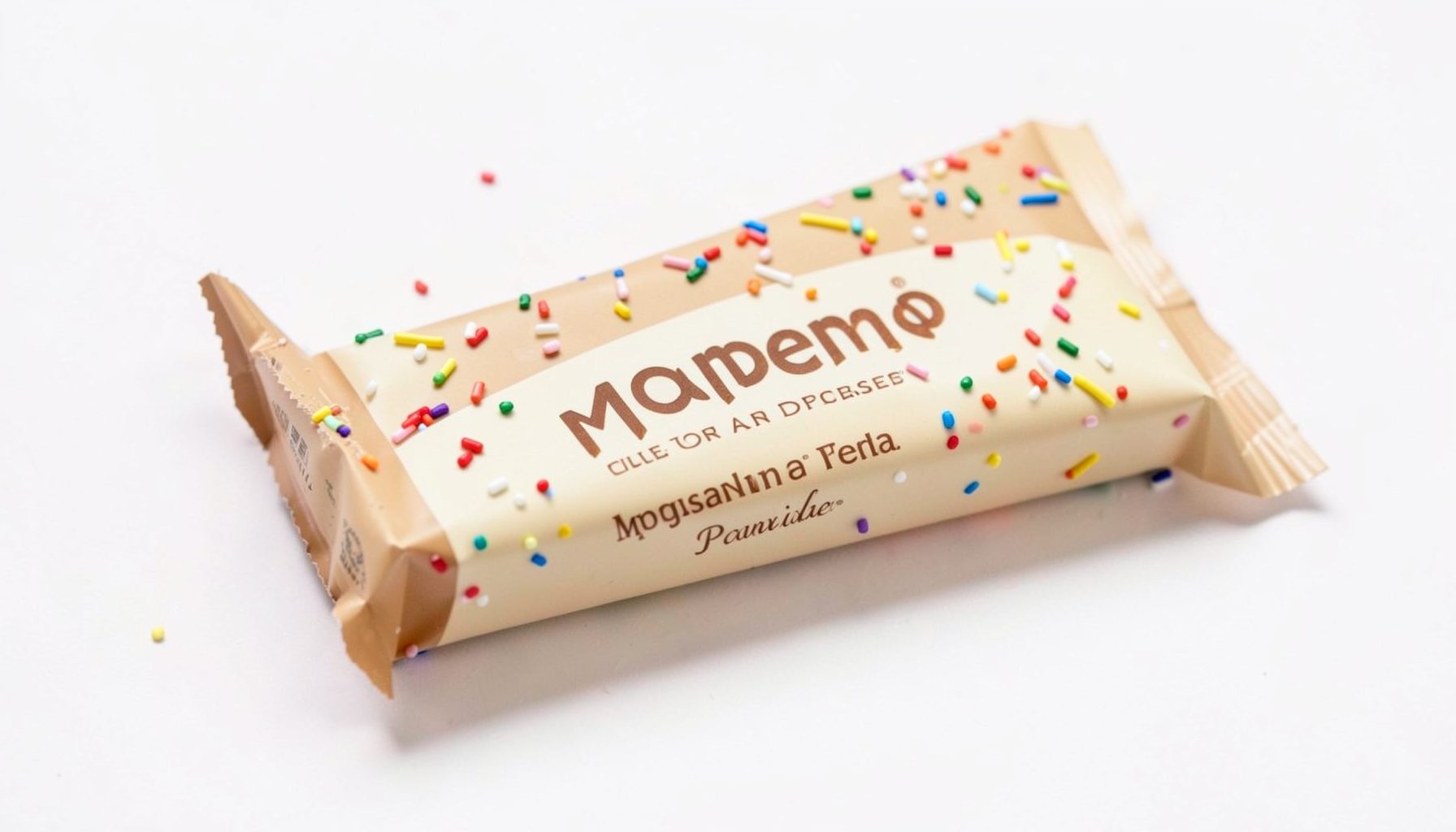
Birthday Cake
Celebratory flavor with a sweet, cake-inspired profile. Available in 1-pack and 10-pack.
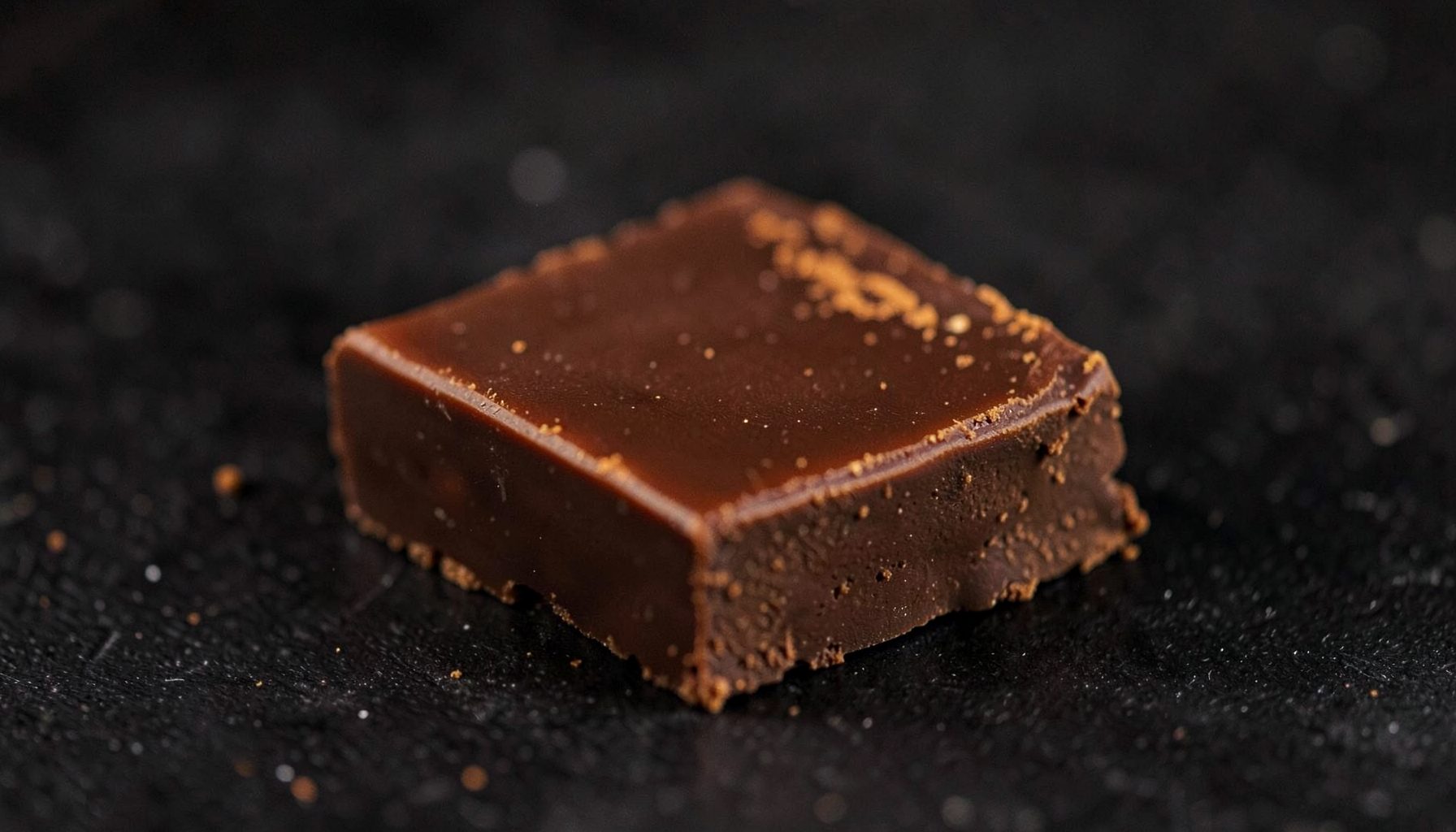
Cinnamon
Warm spiced chocolate with a smooth finish. Single bars and bulk packs available.
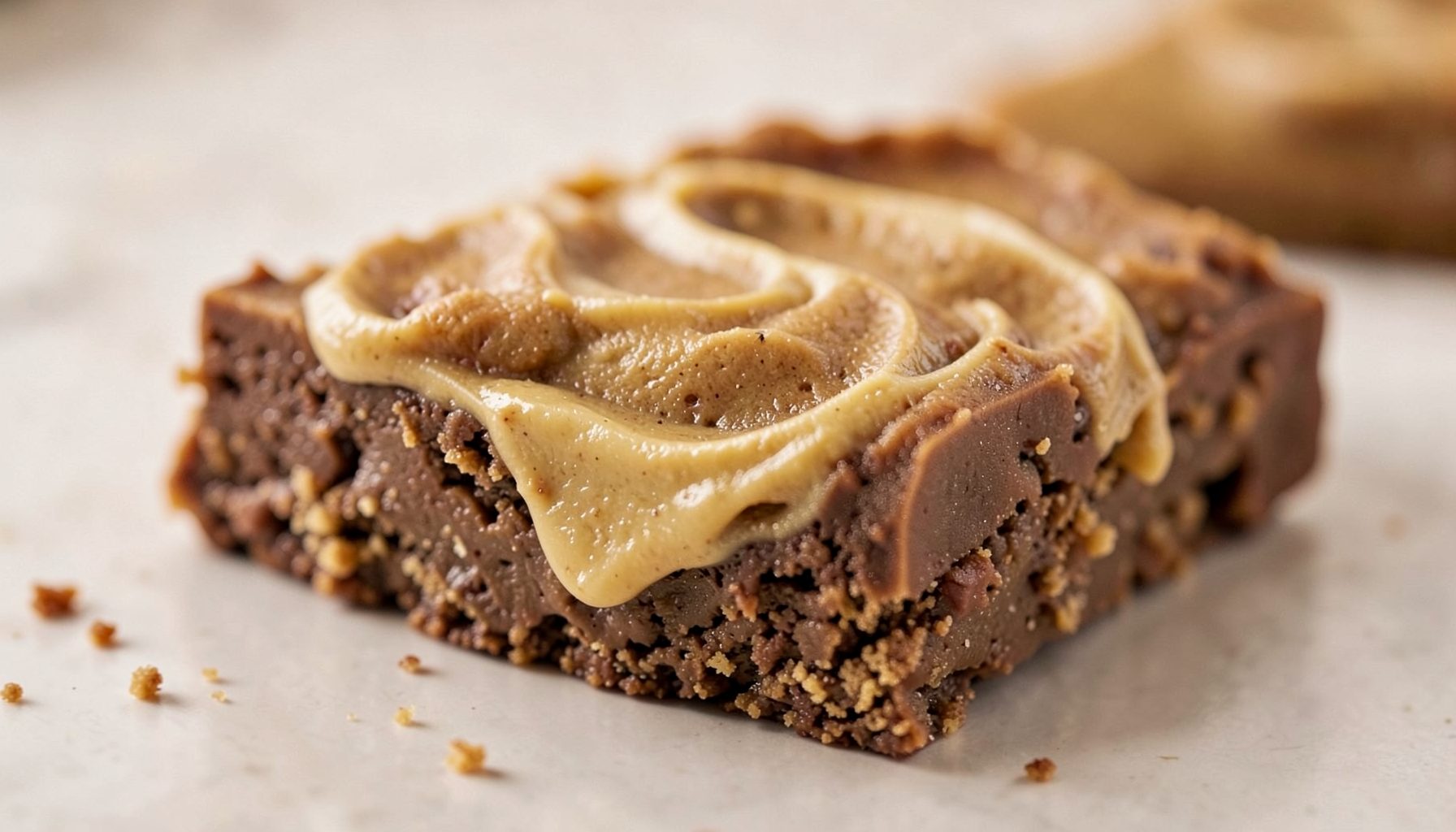
Cookie Butter
Rich, buttery cookie flavor in every bite. Offered in 1-pack and 10-pack options.

Cookies & Cream
Classic cookies-and-cream taste with a mushroom chocolate twist. 1-pack and 10-pack.
Why we use natural fruit extracts instead of artificial flavors
Diamond Shruumz is a California-based brand making mushroom-infused chocolate bars, gummies and cones in more than 20 flavours. Its product story is designed to be as transparent as the shelf it appears on, and the Diamond Shruumz story explains the people, milestones and principles behind that approach.
We choose natural fruit extracts because they let flavour come from recognisable fruit sources rather than being created only to imitate a familiar taste. The aim is a clear sensory result with a straightforward ingredient story, supported by careful dosing and consistent control from raw ingredients to finished packs.
For Australian shoppers, that clarity is especially useful. The country’s grocery market is dominated by large supermarket chains such as Coles and Woolworths, alongside independent grocers, specialist stores and a busy direct-to-consumer online market. Buyers comparing labels across these channels want to understand what is in the product without needing specialist knowledge. In everyday Australian conversation, a chocolate bar may be called a “choc bar”, while questions about strength or dose per piece are common.
Natural should not become a shortcut for lazy claims. Fruit extracts can be concentrated and processed, and “natural” does not automatically mean chemical-free, healthier or more potent than a carefully made artificial flavour. Our reason for using them is specific: a traceable flavour source, a coherent taste profile and fewer opportunities to confuse shoppers with vague artificial imitations.
A clearer ingredient story
Natural fruit extracts are flavour ingredients obtained from fruit through processes such as pressing, extraction and concentration. Artificial flavours are formulated to reproduce flavour characteristics and may be derived from petrochemical or other sources. The distinction gives shoppers useful information, though it does not reveal everything about purity, strength or how much extract was used.
Clear language matters wherever a product combines food and entertainment. A guide to mini craps facts works because it defines bets, terms and limits rather than leaving readers with vague labels. The same principle applies to flavour ingredients: name the source, explain the function and distinguish the fruit extract from the mushroom ingredient carrying the product’s stated dose.
A well-organised ingredient panel should let a buyer separate flavourings, sweeteners, colour sources, mushroom ingredients and any carriers or processing aids used. It should also avoid presenting a broad front-of-pack promise as a substitute for detail on the back. Straightforward labelling gives comparison a fair basis, especially when two products use similar words but different amounts and sources.
Fruit character across every format
The same fruit note can behave differently in chocolate, a soft gummy and a cone. Fat can soften aroma, sweetness can blunt acidity and moisture can change how a flavour is perceived. We therefore evaluate extracts within the format they will actually reach shoppers, not as isolated ingredients judged in a neutral tasting room.
That matters for a range of more than 20 flavours. Familiar options such as strawberry, lemon and blueberry sit alongside fruit notes that feel vivid in Australian menus, including mango, passionfruit and citrus. In Sydney, Melbourne and Brisbane, warmer weather and diverse food cultures make bright, fruit-led profiles especially easy to encounter, even when the finished product remains a chocolate or gummy.
Natural ingredients vary with season, crop and extraction. The work is to manage that variation without flattening the character that made the fruit worth choosing. Proper blending, sensory review and batch records let us preserve a recognisable profile while reducing surprises when a harvest or supplier changes. Consistency should mean dependable quality, not artificial sameness.
Quality you can investigate
Sourcing begins with knowing what an extract is made from and which form enters production. A named fruit source, a documented process and a clear ingredient list make it easier to judge whether a flavour fits the product it supports. Those details also help a shopper distinguish a deliberate fruit character from a generic sweet or coloured effect.
Published specifications set expectations, while independent laboratory checks can verify identity, purity or contaminants when a defined test is needed. A laboratory-focused resource such as Lab No. 4 offers useful context for understanding that distinction and what a test actually proves. It is more informative than treating an attractive flavour description as evidence on its own.
Awards can add confidence to a brand history, but they answer a different question from batch quality. In mushroom-infused products, fruit flavour should never obscure the mushroom species, amount per serving and intended use. Customer accounts of relaxation, social enjoyment or general wellbeing belong in context too: they describe personal experiences, not controlled clinical findings or proof that a particular fruit extract caused the result.
Sourcing and claims in Australia
Australian packaged-food labelling is governed through the Australia New Zealand Food Standards Code under Food Standards Australia New Zealand. Flavour terms such as natural and artificial have defined conditions, and an ingredient list must not mislead. For an imported brand, understanding those rules is part of presenting a fruit-forward product honestly to local shoppers rather than relying on packaging written for another market.
The wellness conversation requires another layer of care. A food sold only as such must follow food rules; therapeutic claims can bring a product into the Australian Therapeutic Goods Administration framework. Personal experiences shared by customers are useful context for adults choosing a recreational product, but they should not be presented as medical outcomes or as proof of efficacy. Clear claims keep the brand’s colourful range enjoyable and responsible.
Environmental expectations are also visible on the shelf and in local council waste rules. Our overview of manufacturing environmental impact invites customers to examine our stated approach to production waste, resource use and packaging. That transparency is especially relevant in Australia, where disposal guidance can vary between local government areas and eligible kerbside programs.
From extract to finished product
Flavour is not added only at the final moment. Processing temperature, mixing order and the surrounding ingredients can change how a fruit extract smells and tastes. In a gummy, for example, the fruit note must remain coherent through cooking or processing, setting, drying and packaging. In chocolate, the challenge is to complement cocoa rather than compete with it.
The gummy manufacturing process walkthrough shows how the line is organised and where controls sit between mixing, forming, cooling and curing. That visibility is useful because quality claims become meaningful when shoppers can connect the ingredient panel with the process used to make the product. The same principle applies to bars and cones, even though each format uses different equipment and handling.
We judge the finished item by aroma, taste, texture, dose and consistency, then compare it with what the ingredient list promises. Nothing about using natural fruit extracts removes the need for food-safety controls, allergen management or stable packaging. It simply gives the flavour programme a more recognisable starting point and a clearer story to explain.
The reason for choosing natural fruit extracts is a traceable production choice, provided it is supported by clear sourcing, transparent ingredients and controlled manufacturing. What readers should remember is simple: natural fruit extracts can create a more connected flavour experience, while ingredient detail, batch consistency and honest product information are what turn that choice into credible quality.

Send Us a Message
Get in Touch
Have questions about our products or your order? Reach out and we'll get back to you.
- California, USA
- Contact Page