
California • Est. 2019
Premium mushroom chocolate bars, gummies, and cones crafted in California. Bold flavors, uncompromising quality, and a brand built from the ground up.
Explore the CollectionOur Collection
Shruumz Chocolates & Gummies
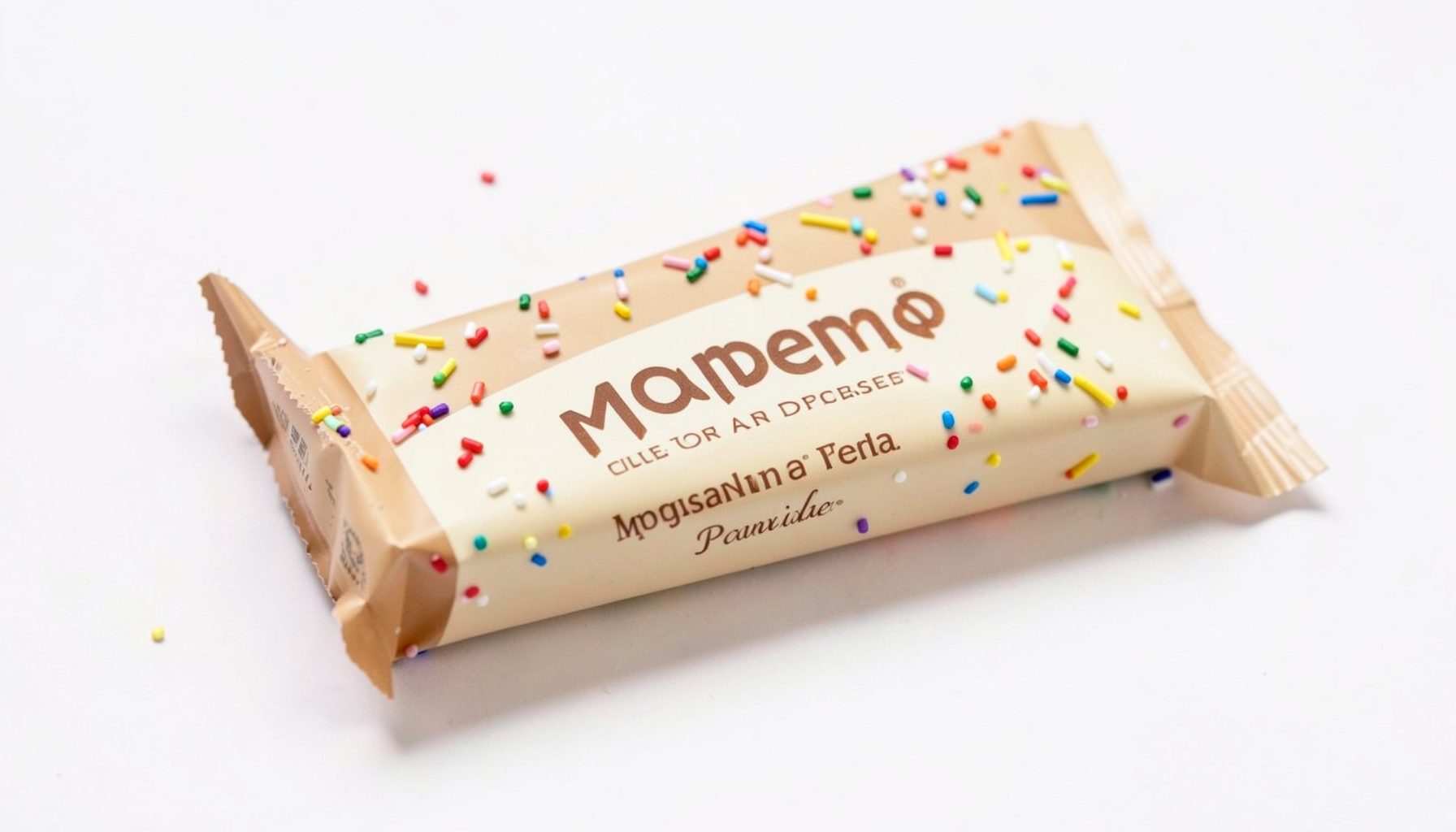
Birthday Cake
Celebratory flavor with a sweet, cake-inspired profile. Available in 1-pack and 10-pack.
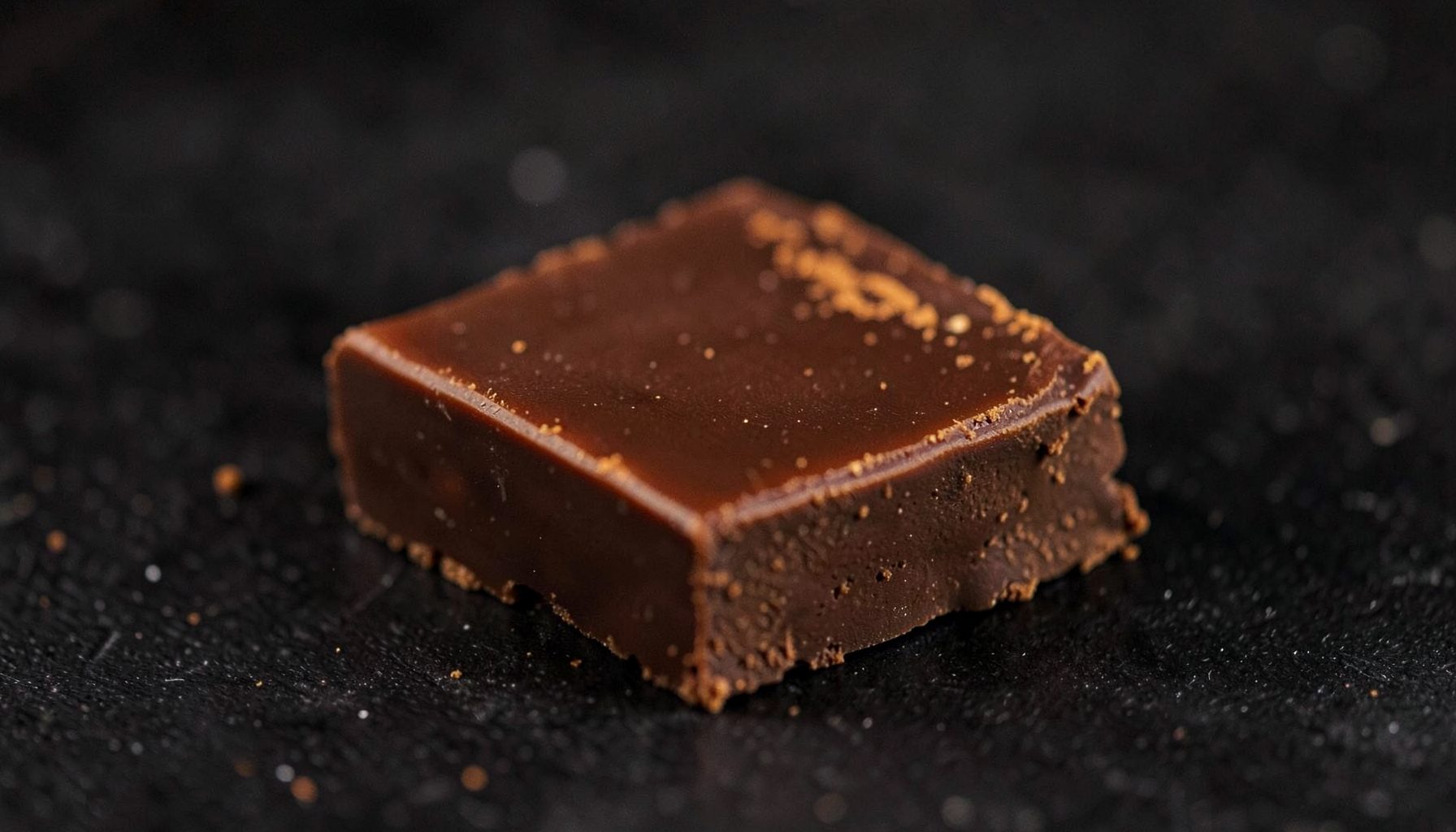
Cinnamon
Warm spiced chocolate with a smooth finish. Single bars and bulk packs available.
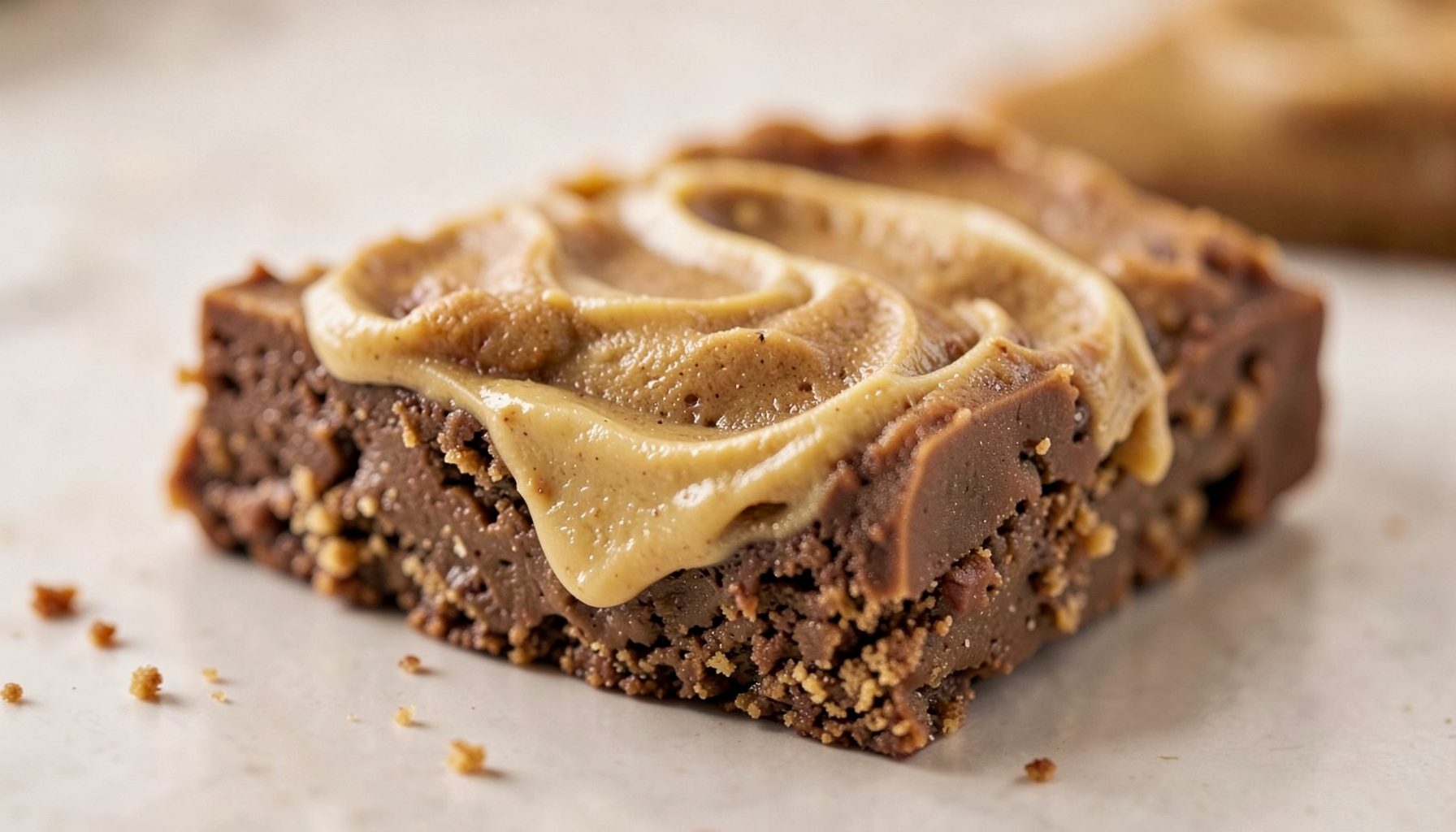
Cookie Butter
Rich, buttery cookie flavor in every bite. Offered in 1-pack and 10-pack options.
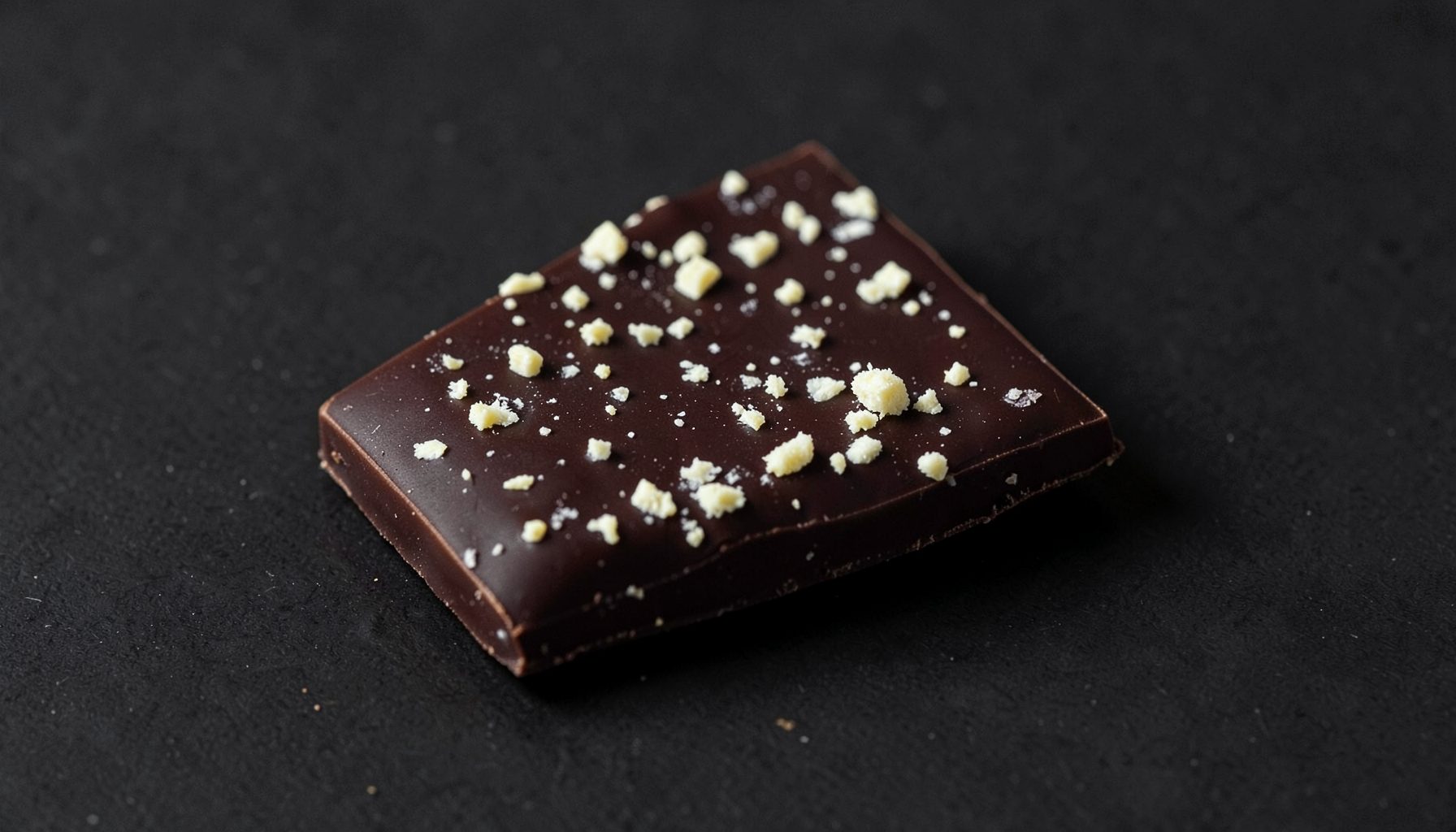
Cookies & Cream
Classic cookies-and-cream taste with a mushroom chocolate twist. 1-pack and 10-pack.
A Day Inside Our Quality Assurance Team
Before the first batch enters production, our quality assurance team is already reviewing the day’s schedule. In a California facility producing mushroom-infused chocolate bars, gummies, and cones, the work involves much more than checking whether a product looks appealing. It means examining ingredients, records, equipment, packaging, and test results at every stage.
The team’s routine is built around consistency and transparency. A customer choosing from more than 20 flavours should receive the expected taste, texture, pack size, and labelled serving information each time. That standard matters whether the product is being discussed in Los Angeles, shipped towards an Australian customer in Sydney, or compared with other options in Melbourne’s growing wellness market.
Quality assurance also means recognising that mushroom products attract interest for different reasons. Some customers focus on flavour and the history of chocolate pairings, while others pay close attention to ingredients and dosing information. Our role is to make sure the product story is supported by careful processes, clear records, and responsible communication.
Starting With Ingredients And Supplier Records
The day begins with a review of incoming materials. Team members check supplier documentation, lot numbers, certificates of analysis, and delivery conditions for chocolate, sweeteners, flavourings, mushroom ingredients, and packaging components. Any discrepancy is recorded before the material can move into production.
Supplier approval is an ongoing process rather than a once-only decision. Quality specialists assess whether documentation is complete, whether specifications remain consistent, and whether a change in source or formulation has been properly reviewed. Ingredient transparency depends on this groundwork, because accurate product information starts well before a finished bar or gummy is packed.
We also look for practical issues that can affect the final product. Chocolate may be sensitive to heat during transport, while gummies can respond to humidity. These details are particularly relevant when considering Australian conditions, from hot summer deliveries in Brisbane to long distances between distribution points in Perth and regional communities.
Verifying Formulas And Dosing
Once ingredients are cleared, the team compares the production formula with the approved specification. This includes confirming the identity and quantity of each component, checking batch calculations, and ensuring that authorised changes have been documented. A small error in a worksheet can create a much larger problem on the production floor, so calculations receive careful attention.
Dosing is reviewed as part of this process. The aim is to ensure that the declared amount is supported by manufacturing records and appropriate testing, rather than relying on assumptions about how an ingredient should perform. We distinguish between the amount added during production, the amount detected in a tested sample, and the serving information communicated on the label.
Clear dosing language is especially important for consumers who are unfamiliar with mushroom-infused products. Labels should be read alongside local requirements, and Australian customers should check current Commonwealth and state or territory rules before purchasing or importing any product. Food, supplement, and therapeutic-product regulations can differ, and an item sold in California is not automatically authorised for sale in Australia.
Monitoring The Production Floor
During manufacturing, quality staff observe critical control points and confirm that operators are following approved procedures. They may check weighing records, mixing times, temperatures, line clearance, allergen controls, and sanitation logs. The purpose is to identify variation early, before a finished product reaches the packing stage.
Chocolate work requires particular care. Temperature control influences appearance, snap, and texture, while accurate mould filling supports consistent portion sizes. For gummies and cones, the team pays attention to the relevant process conditions and equipment settings. Each product format has its own risks, so a single generic checklist would not be enough.
The quality team also verifies that the correct packaging is being used for the correct flavour and pack size. In a collection with many varieties, an attractive wrapper is only useful if it matches the product inside. Batch identification, ingredient information, storage guidance, and other required details must remain legible from the factory through the customer’s cupboard.
Sampling, Testing And Traceability
Sampling provides an independent view of what is happening in a batch. Team members collect samples according to written procedures, label them carefully, and send them for the relevant checks. Depending on the product and specification, testing may address identity, potency, microbiological quality, contaminants, moisture, or physical characteristics.
A result is never considered in isolation. The team compares it with the approved specification, reviews the sample’s chain of custody, and checks whether the batch record is complete. If a result falls outside expectations, the batch is placed on hold while the issue is investigated. Release is based on documented evidence, not on pressure to meet a dispatch timetable.
Traceability connects every finished unit to its ingredients, equipment, operators, and test records. That system allows the team to investigate a concern efficiently and identify affected stock if a correction is ever required. It also gives customers greater confidence that quality claims are supported by a process they can understand.
Reviewing Labels And Customer Information
Part of a quality assurance day is spent away from the production line, reviewing labels, website content, and supporting materials. Descriptions should match the approved formula, and statements about flavour, ingredients, serving size, storage, and intended experience need to be accurate and appropriately worded. Marketing language cannot replace evidence or create expectations that the product cannot support.
This review extends to educational material. Our guide to the history of chocolate pairings gives context for an established culinary idea, while product pages should provide practical information for evaluating a particular item. Customers exploring the mushroom gummies range should be able to connect what they see online with the pack they receive.
Australian readers may also encounter different terminology or legal expectations from those used in the United States. References to wellness, recreation, or personal experience must not be mistaken for medical advice. A careful content review helps keep the distinction clear and encourages informed choices without overstating what a product can do.
Closing The Day And Improving The System
The final part of the shift involves reconciling records, reviewing deviations, and confirming the status of batches in progress. If a team member noticed unusual texture, a delayed test, a packaging mismatch, or a supplier documentation gap, the issue is logged and assigned for follow-up. Nothing is treated as too minor to record when it could reveal a pattern.
Quality assurance is also a learning function. Trend reports can show recurring issues with temperature, equipment, transport, or customer feedback. Corrective actions might involve retraining, changing a storage instruction, adjusting a process step, or asking a supplier for clearer evidence. Each action is tracked to completion so that improvement is measurable rather than informal.
By the time the facility quiets down, the team has helped protect several connected parts of the customer experience: reliable ingredients, consistent manufacturing, responsible dosing information, compliant presentation, and traceable records. A day in the life of our quality assurance team is therefore a series of ordinary checks carried out with unusual care.
What readers should remember is simple: quality is built through repeated verification. From the first supplier document to the final label review, every check helps ensure that a mushroom-infused product is made consistently, described honestly, and handled with the care expected by customers in California and beyond.

Send Us a Message
Get in Touch
Have questions about our products or your order? Reach out and we'll get back to you.
- California, USA
- Contact Page