
California • Est. 2019
Premium mushroom chocolate bars, gummies, and cones crafted in California. Bold flavors, uncompromising quality, and a brand built from the ground up.
Explore the CollectionOur Collection
Shruumz Chocolates & Gummies
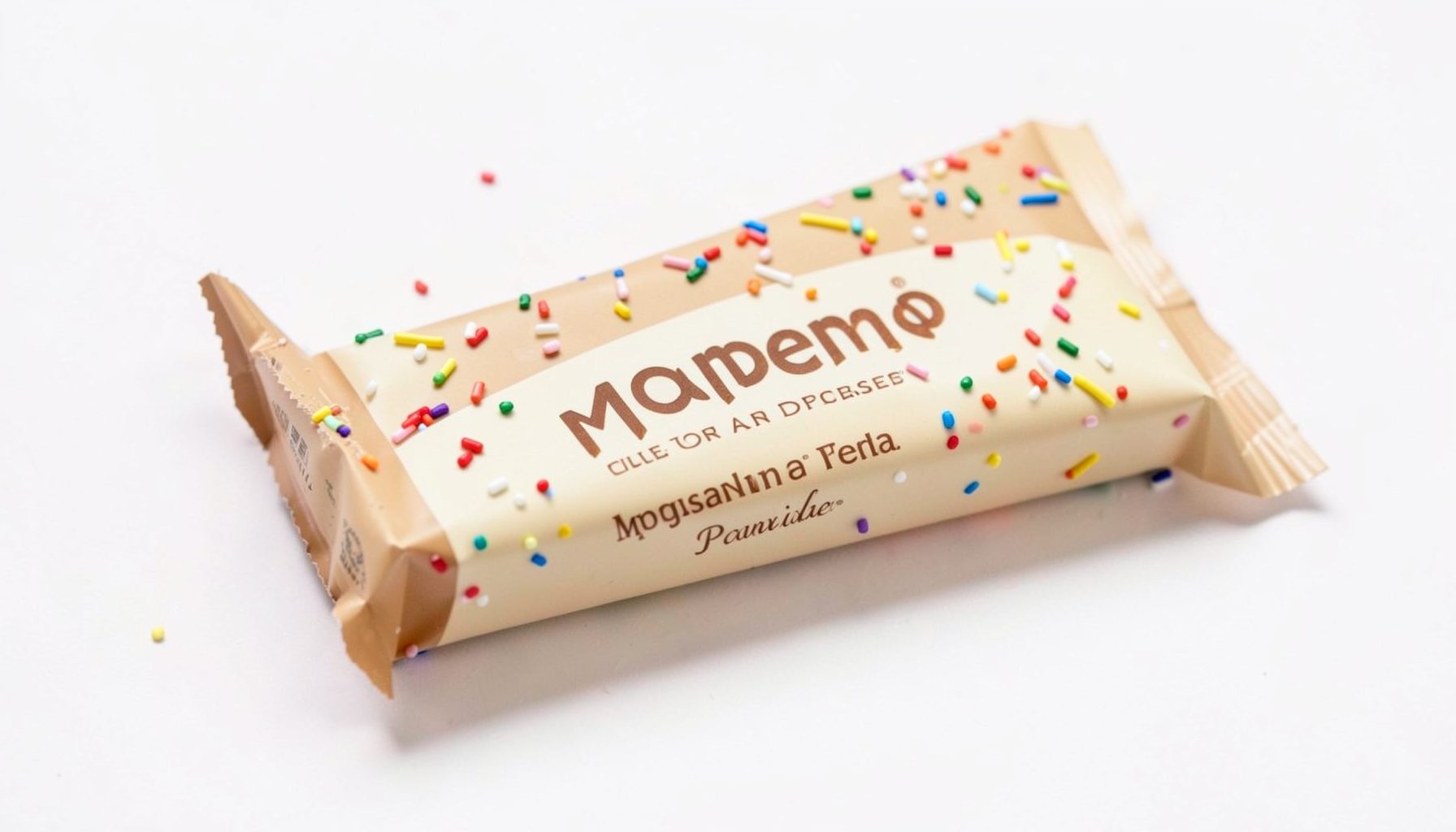
Birthday Cake
Celebratory flavor with a sweet, cake-inspired profile. Available in 1-pack and 10-pack.
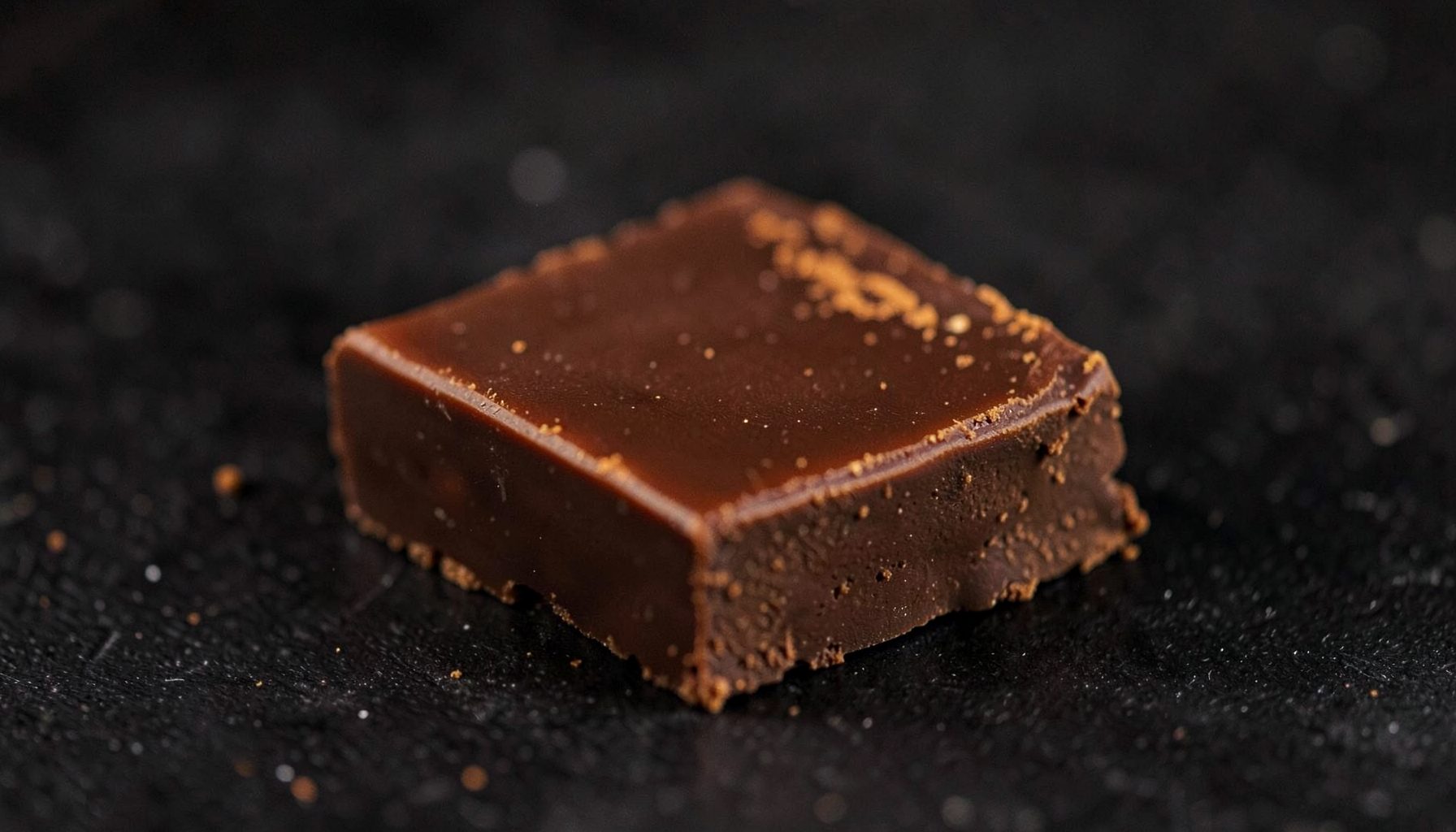
Cinnamon
Warm spiced chocolate with a smooth finish. Single bars and bulk packs available.
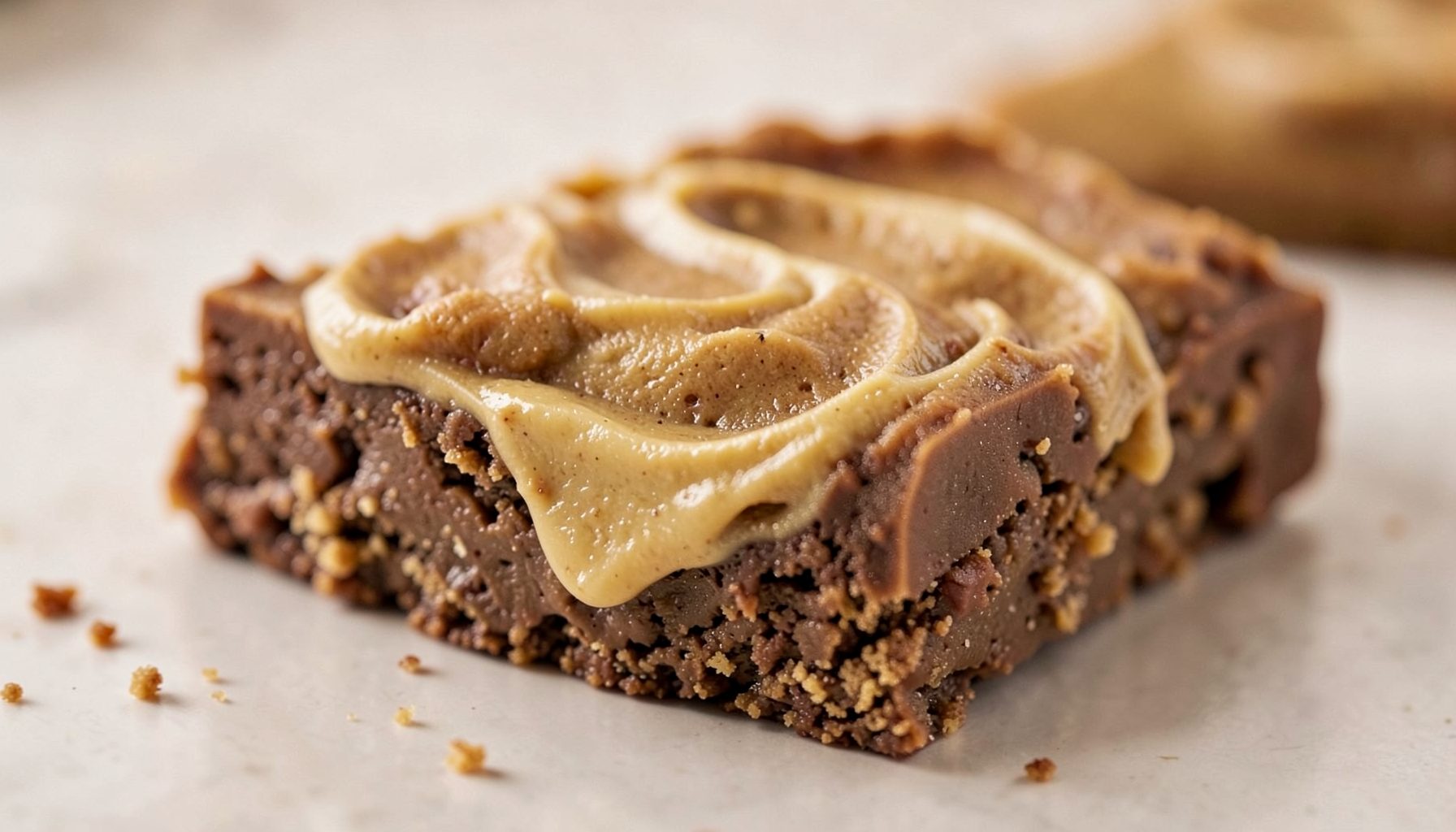
Cookie Butter
Rich, buttery cookie flavor in every bite. Offered in 1-pack and 10-pack options.

Cookies & Cream
Classic cookies-and-cream taste with a mushroom chocolate twist. 1-pack and 10-pack.
Understanding pH in Mushroom Gummy Ingredients
pH is one of the less visible factors that can influence a gummy’s taste, texture, stability, and ingredient performance. In mushroom-infused confectionery, it sits alongside flavor selection, sweeteners, gelling agents, active ingredients, and packaging as part of the overall formulation.
The pH scale describes how acidic or alkaline a water-based mixture is. A lower number indicates greater acidity, while a higher number indicates lower acidity or greater alkalinity. Most fruit-flavored gummies are mildly acidic because acids help create a bright flavor and can support product stability.
Understanding pH does not reveal a product’s potency or predict how an individual will feel after consuming it. Instead, it provides useful context for interpreting ingredient lists, quality information, storage guidance, and the role of acids in a finished gummy.
What pH Means In A Gummy
The pH scale generally ranges from 0 to 14, with 7 considered neutral. Lemon juice and many fruit beverages are acidic, while pure water is close to neutral. Gummy recipes often contain acidic ingredients such as citric acid, malic acid, or sodium citrate to balance sweetness and produce a recognizable fruit profile.
A gummy is not simply a glass of liquid, however. It may contain sugars, syrups, pectin or gelatin, oils, botanical extracts, flavor compounds, and very little free water. As a result, measuring its pH requires a suitable sample preparation method. A reading from a diluted gummy mixture may not represent the exact conditions inside the intact candy.
For this reason, pH should be viewed as one quality attribute rather than a complete description of the product. Flavor, texture, moisture activity, ingredient concentration, and microbial controls also matter when evaluating a finished edible.
Why Acidity Matters In Mushroom Gummies
Acidulants contribute the tartness associated with berries, citrus, green apple, and other popular gummy flavors. They can also help balance the sweetness of sugar or alternative sweeteners. The precise combination affects whether a flavor tastes sharp, rounded, dry, or lingering.
Texture can be influenced as well. Pectin-based gummies are particularly sensitive to acidity because pectin needs the right balance of sugar, acid, and moisture to form a stable gel. Gelatin-based recipes respond differently, but their texture can still change when the formulation, heat exposure, and water content shift.
pH may also affect the stability of certain botanical or mushroom-derived components. That effect depends on the specific compounds used, the surrounding ingredients, processing conditions, and packaging. A lower pH is not automatically better, and a higher pH is not automatically safer or more effective.
Common Ingredients And Their Roles
Ingredient transparency helps explain why a gummy has a particular flavor, consistency, or shelf-life expectation. The following examples describe common formulation roles, not a guaranteed recipe for every product.
| Ingredient category | Common examples | Relationship to pH and formulation |
|---|---|---|
| Acidulants | Citric acid, malic acid, tartaric acid | Add sourness and lower pH |
| Acidity regulators | Sodium citrate, potassium citrate | Help moderate or stabilize acidity |
| Gelling agents | Pectin, gelatin, agar | Form the gummy structure under specific conditions |
| Sweeteners | Cane sugar, glucose syrup, fruit concentrates | Balance sour notes and affect texture |
| Flavor ingredients | Natural flavors, botanical extracts, fruit flavors | Shape taste and may respond differently to acidity |
| Mushroom or botanical components | Mushroom extracts and other active ingredients | Require ingredient-specific stability and testing considerations |
When exploring the Diamond Shruumz collection, consumers can compare flavors and product formats while also reviewing available ingredient, serving, and quality information. A flavor’s sourness should not be treated as proof of a particular pH, and the presence of an acidulant does not indicate how much of an active ingredient a gummy contains.
pH, Potency, And Consumer Expectations
pH and potency measure different things. pH concerns acidity in a formulation, while potency refers to the amount or concentration of a particular active compound. A sour gummy is not necessarily stronger than a mild-tasting gummy, and a less acidic product is not necessarily weaker.
The same distinction applies to reported effects. Individual experiences can vary according to body chemistry, food intake, tolerance, serving size, product composition, and other factors. Flavor intensity may influence how quickly someone consumes a gummy, but it does not establish the product’s contents or expected experience.
Consumers should follow the package directions, avoid combining products without understanding their ingredients, and pay attention to applicable age and legal requirements. Products containing psychoactive or otherwise active mushroom ingredients deserve especially careful serving control and responsible storage away from children and pets.
How pH Fits Into Quality Control
A responsible quality program considers pH alongside identity testing, potency analysis, contaminant screening, moisture control, and packaging checks. Each test answers a different question. pH can help assess consistency in a recipe, while laboratory analysis is needed to verify specific compounds and their concentrations.
Processing also matters. Heating, exposure to oxygen, moisture migration, and prolonged storage can affect flavor and texture. Packaging designed to limit humidity and light may help protect the intended characteristics of the gummy, but storage instructions still need to be followed.
Terpenes and aromatic compounds offer another example of why formulation is complex. Their sensory contribution is separate from acidity, and readers interested in how these compounds influence concentrate products can explore terpene roles for additional context.
Practical Ways To Read The Label
A label can provide useful clues without offering a full laboratory profile. Look for the serving size, number of servings, active ingredients, allergen information, storage directions, and any available testing or quality documentation. The ingredient order may also show which sweeteners, acids, and gelling agents are present.
A sour flavor commonly indicates the use of an acidulant, but it cannot provide a reliable pH estimate. Similarly, a smooth texture may reflect pectin, gelatin, starches, moisture content, or processing technique rather than a single acidity value.
For consumers comparing products, consistency and clarity are often more useful than trying to infer pH from taste alone:
- Review the complete ingredient and serving information before consuming.
- Treat pH as a formulation detail, not a measure of potency.
- Store gummies according to the package directions, especially regarding heat and humidity.
- Use only the stated serving size and allow adequate time before considering another serving.
- Keep active mushroom products secured from children, pets, and anyone who should not consume them.
A careful approach makes it easier to appreciate the role of citric acid, malic acid, buffers, sweeteners, and gelling agents without assigning them effects they cannot confirm. It also supports more informed comparisons between flavors and formats.
Learning how acidity interacts with gummy ingredients can make product information easier to interpret. Explore the available flavors, formats, serving details, and quality-focused information on the brand’s website before making a purchase, and use the label as the primary guide for responsible consumption.

Send Us a Message
Get in Touch
Have questions about our products or your order? Reach out and we'll get back to you.
- California, USA
- Contact Page