
California • Est. 2019
Premium mushroom chocolate bars, gummies, and cones crafted in California. Bold flavors, uncompromising quality, and a brand built from the ground up.
Explore the CollectionOur Collection
Shruumz Chocolates & Gummies
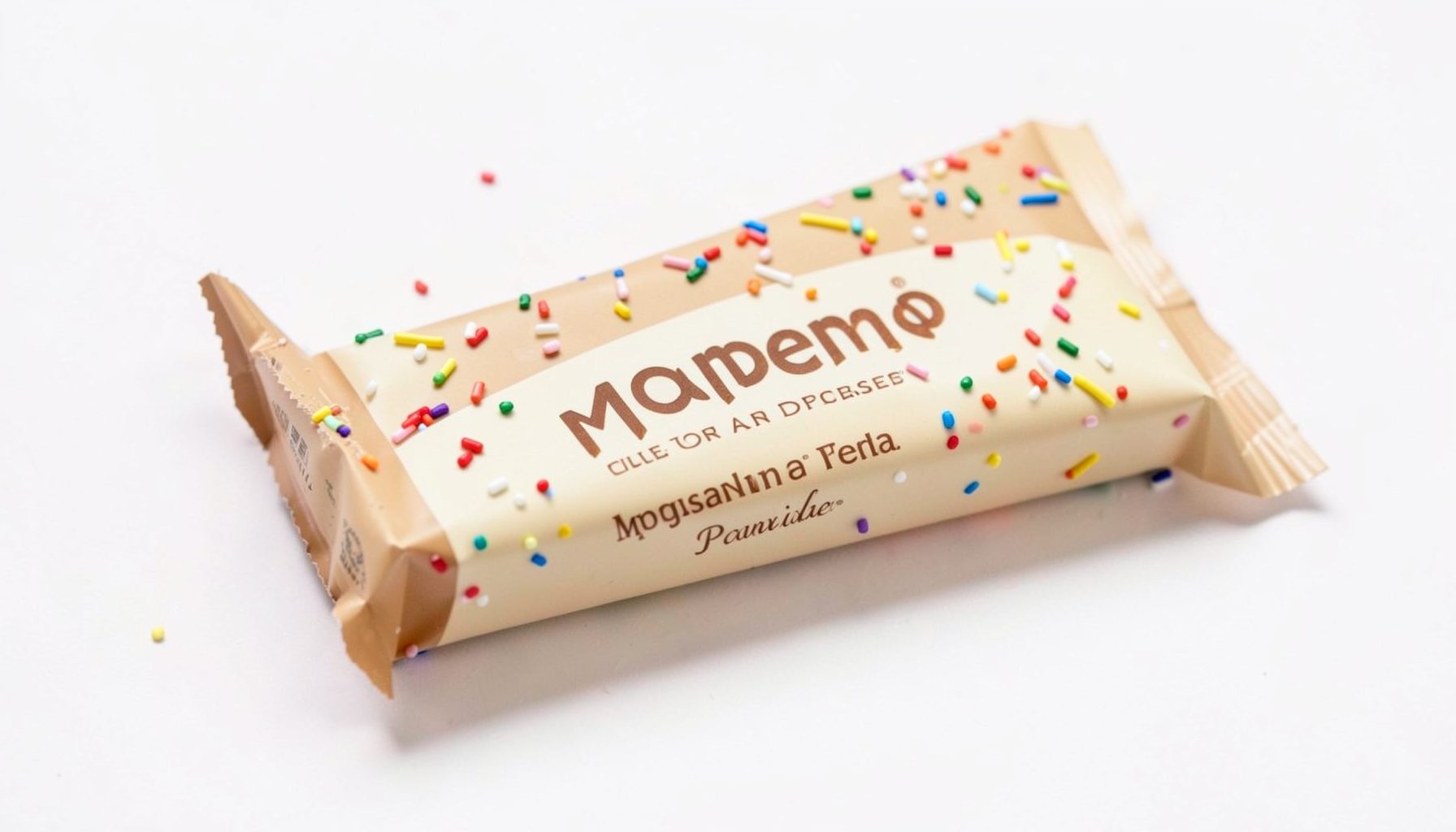
Birthday Cake
Celebratory flavor with a sweet, cake-inspired profile. Available in 1-pack and 10-pack.
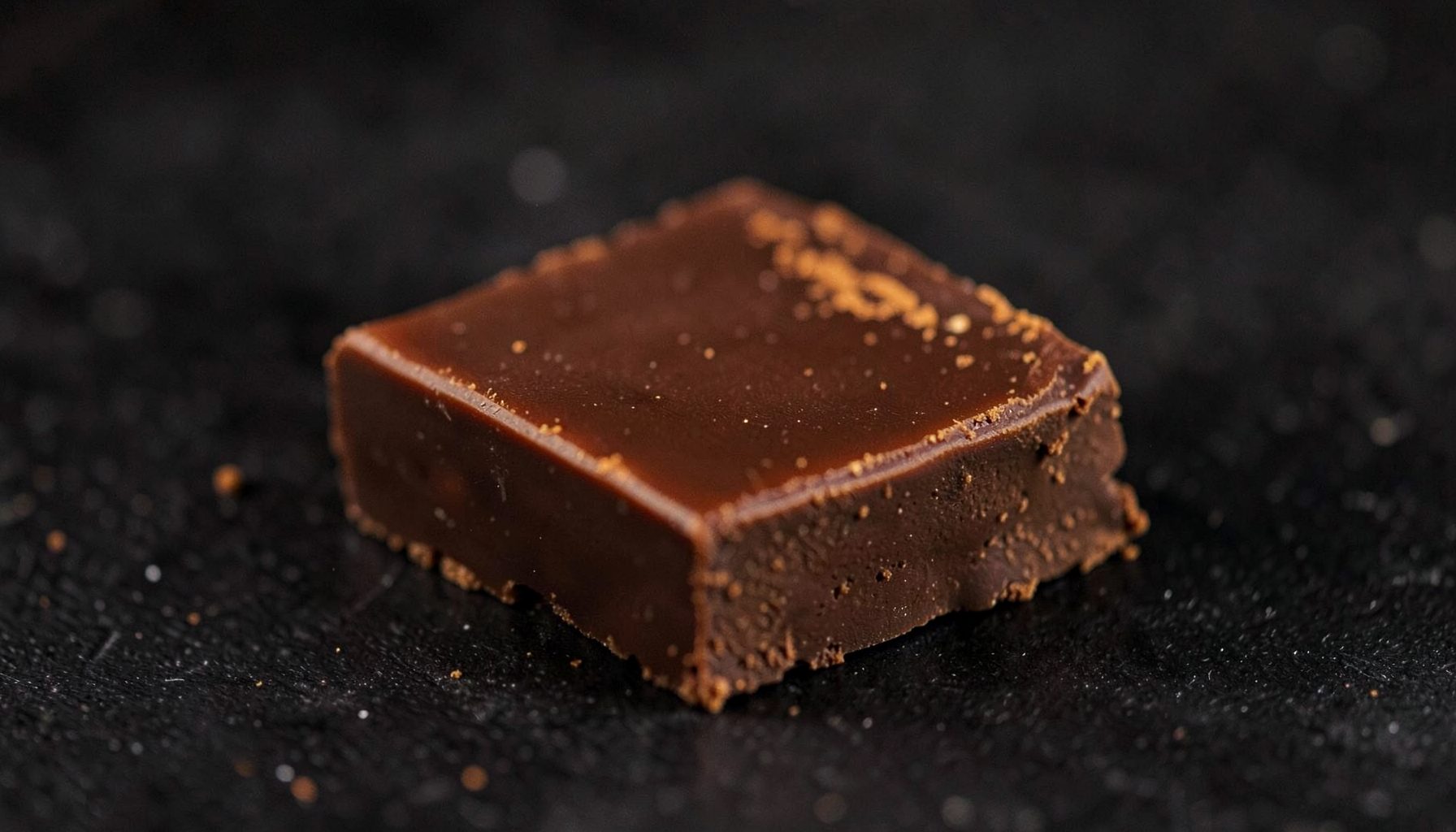
Cinnamon
Warm spiced chocolate with a smooth finish. Single bars and bulk packs available.
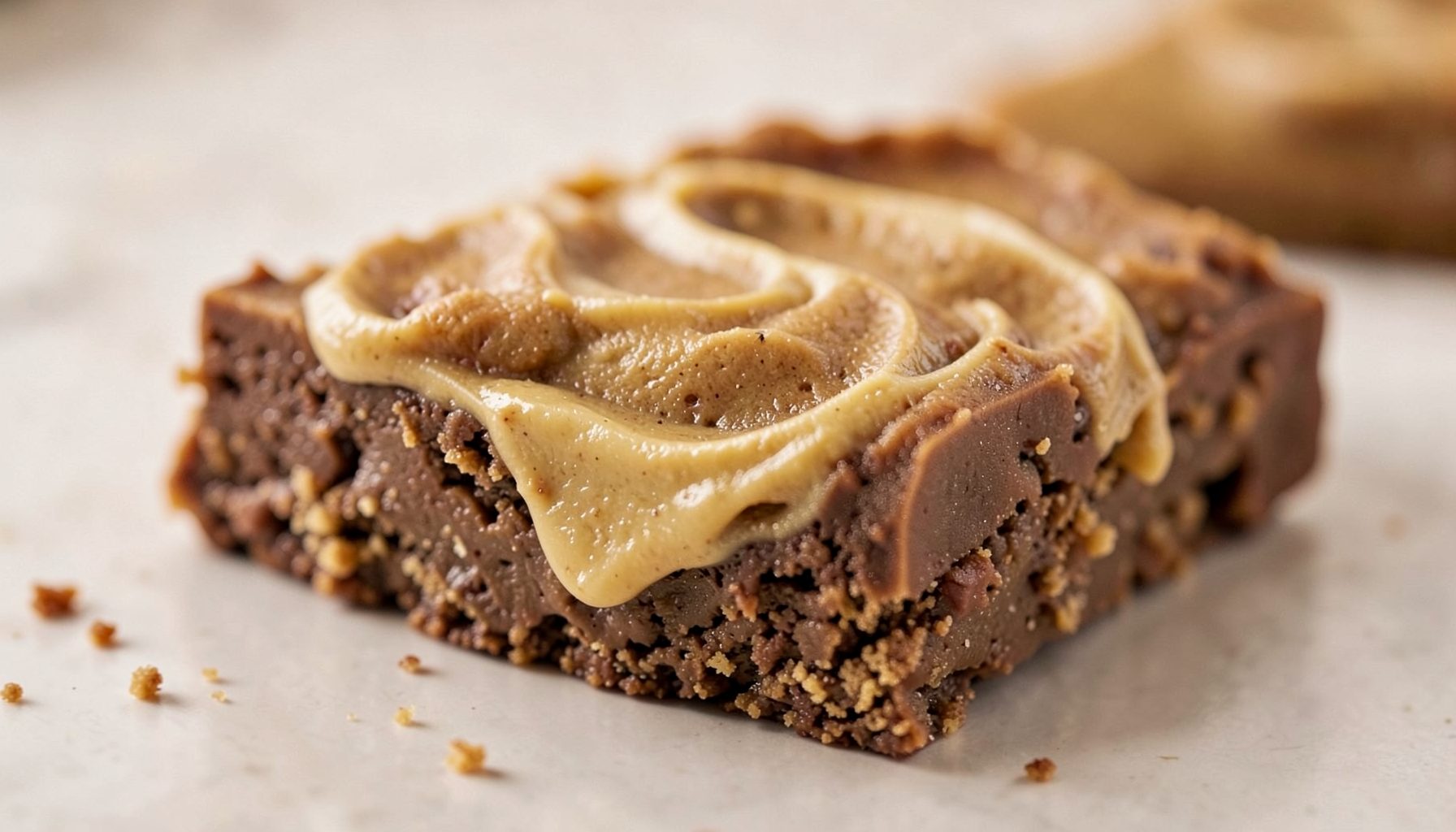
Cookie Butter
Rich, buttery cookie flavor in every bite. Offered in 1-pack and 10-pack options.
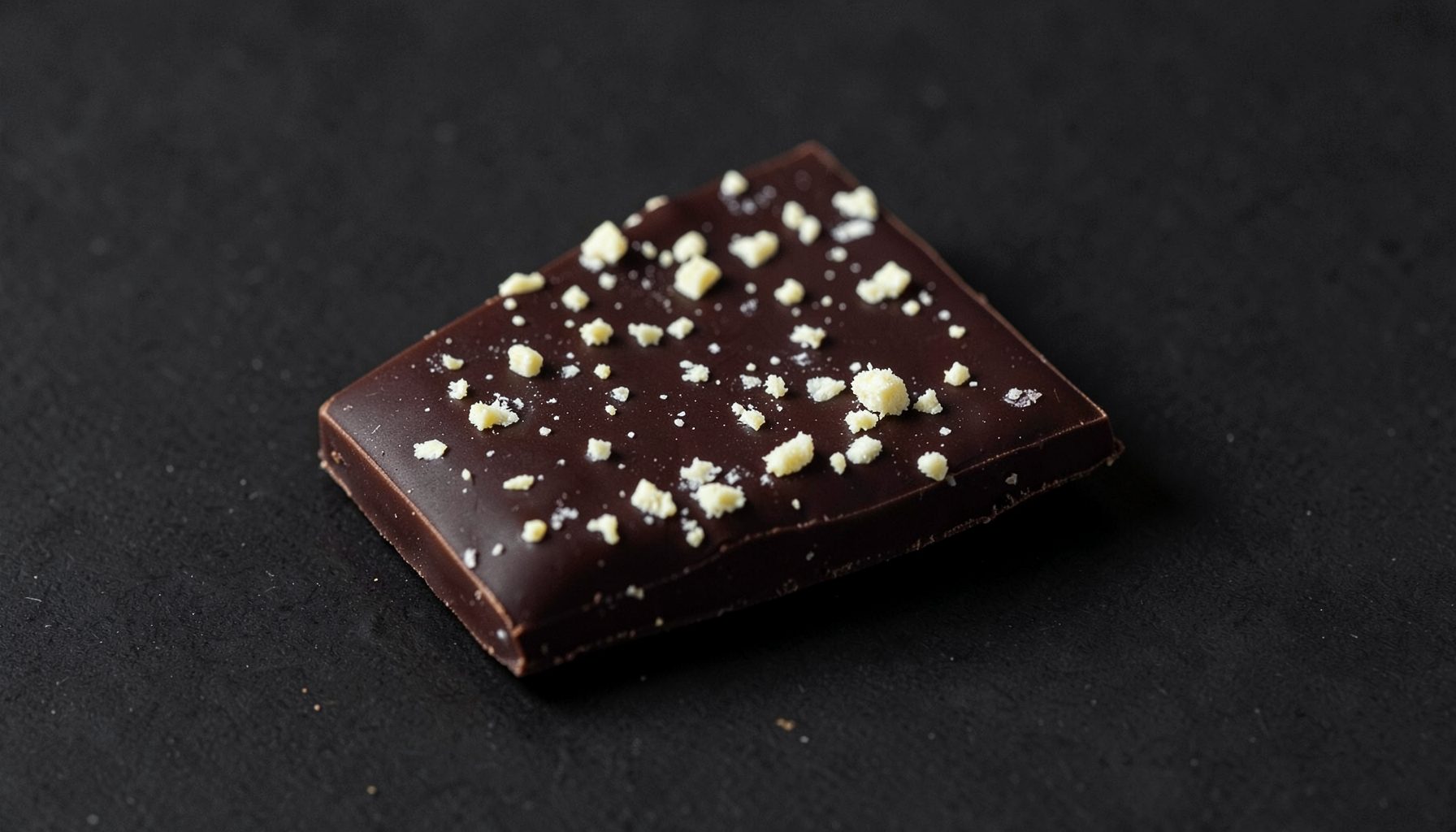
Cookies & Cream
Classic cookies-and-cream taste with a mushroom chocolate twist. 1-pack and 10-pack.
How thoughtful packaging reduces plastic while protecting product quality
Packaging has two jobs that can pull in different directions: use fewer materials and keep the product protected from damage, contamination, moisture, heat and unauthorised access. Our packaging team treats both responsibilities as essential. Reducing plastic is meaningful only when the pack still performs reliably from production through delivery and storage.
That means looking beyond the appearance of a pouch, wrapper or carton. We assess material weight, barrier performance, seal strength, tamper evidence, transport conditions and end-of-life options before making a change. A thinner pack that allows moisture into a chocolate bar is not a genuine improvement if it causes waste, returns or discarded stock.
Australian customers also need packaging that works in local conditions. A parcel travelling through the Australia Post network may experience warm freight depots, long distances and seasonal humidity before reaching a home in Brisbane, Sydney, Melbourne, Perth or a regional town. Our approach is to reduce unnecessary plastic while preserving the practical safeguards expected of a modern food and wellness brand.
Designing for protection rather than excess
The first step is identifying what each product actually needs. Chocolate bars can be sensitive to heat, odours and humidity, while gummies may require protection from moisture and changes in texture. Cones and other shaped products need enough structure to prevent crushing. Instead of giving every item the same amount of packaging, we match the format to its risks.
This can involve reducing empty space, selecting a lighter inner film, or replacing multiple layers with a single engineered barrier where performance allows. A compact carton can also reduce movement during delivery, which lowers the need for bulky protective fillers. Customers can review available pack formats and sizes through the product cart, where the right quantity can help avoid excess secondary packaging.
Plastic reduction is therefore measured by function, not by appearance alone. A glossy paper box may still contain a hidden plastic laminate, adhesive or inner pouch. Our reviews consider the complete pack system, including labels, closures, seals, inks and transport materials.
Keeping a reliable barrier around the product
A package is a protective environment. Its barrier must limit exposure to oxygen, moisture, light and outside odours while maintaining the product’s intended condition. We test candidate materials for seal integrity and resistance to punctures, compression and temperature variation. These checks help us determine whether a lighter or lower-plastic option can perform consistently.
We also pay attention to the difference between recyclable, recycled-content and compostable materials. Each has a different environmental profile and may require specific collection or processing infrastructure. In Australia, soft-plastic recycling access varies widely between councils, and the collapse of national schemes such as REDcycle showed why disposal instructions must be realistic rather than based on optimistic assumptions.
Where an alternative material cannot protect the product or cannot be responsibly processed in the markets we serve, we do not treat it as automatically better. A durable, lightweight pack with clear disposal information may create less overall waste than a fragile substitute that contaminates a recycling stream. The goal is a lower-impact package supported by evidence.
Building safety into the pack
Safety features are designed into the packaging from the beginning, not added as decoration at the end. Tamper-evident seals can show whether a product has been opened, while secure closures help reduce accidental access during storage. Child-resistant features may also be relevant depending on the product, ingredients, pack size and legal requirements in the destination market.
Ingredient and usage information must remain readable throughout the product’s life. Labels need enough space for batch identification, storage directions, allergen information where applicable, responsible-use wording and other required details. A smaller package is not a success if the type becomes too small or important information is hidden by a fold or seam.
The contents themselves require equally careful consideration. Product composition, serving information and any permitted claims must be reviewed against the rules that apply in the market where the item is sold. In Australia, food and therapeutic-product requirements can differ, and ingredients such as psilocybin are subject to strict controls. Packaging decisions therefore sit alongside regulatory review; attractive design cannot replace lawful formulation, accurate labelling or appropriate distribution.
Testing the pack through real-world conditions
Laboratory checks are useful, but packaging also has to survive everyday handling. We assess how packs respond to vibration, stacking, drops, sealing pressure and changes in temperature. This matters for Australian deliveries travelling from a fulfilment centre to apartment buildings in Melbourne, suburban homes in Adelaide or remote communities where freight may pass through several handling points.
Heat is a particular consideration for chocolate. A pack can reduce exposure, but it cannot override extreme conditions or poor storage. Clear storage guidance helps customers protect product quality after delivery, especially during a Queensland summer or when an order is left in direct sun. We use testing and customer feedback to identify where a material change could improve performance without adding unnecessary layers.
The same process applies to opening and closing. A seal that is too weak can compromise freshness, while one that is excessively difficult can encourage tearing, spills or unsafe improvisation. Good packaging should feel deliberate: secure during transport, straightforward to inspect and practical to store after opening.
Improving the system with measured changes
Packaging development is an ongoing process rather than a single swap from plastic to paper. We compare material weights, failure rates, damage reports and customer feedback before approving a change. If a new pack reduces plastic but increases breakage, replacement shipments or product waste, the full environmental result may be worse.
We also aim to make communication part of the design. Disposal advice should reflect local recycling realities, and claims such as “eco-friendly” or “sustainable” need support. Australian consumers are increasingly alert to greenwashing, while state and territory waste systems remain inconsistent. Clear wording is more useful than a broad environmental promise that cannot be verified at kerbside.
Questions about pack condition, materials or product handling can be directed through the customer support team. Feedback helps us identify recurring issues, such as seals damaged in transit, confusing disposal instructions or formats that do not suit Australian storage habits. Our ingredient and formulation decisions are also explained in resources such as this guide to mushroom strain selection, so packaging can be considered as part of the wider product system.
The practical takeaway is simple: the best lower-plastic package is the lightest, clearest and most efficient design that still protects the product, communicates essential information, meets applicable Australian requirements and survives the journey from our facility to the customer’s cupboard.

Send Us a Message
Get in Touch
Have questions about our products or your order? Reach out and we'll get back to you.
- California, USA
- Contact Page