California • Est. 2019
Premium mushroom chocolate bars, gummies, and cones crafted in California. Bold flavors, uncompromising quality, and a brand built from the ground up.
Explore the CollectionOur Collection
Shruumz Chocolates & Gummies
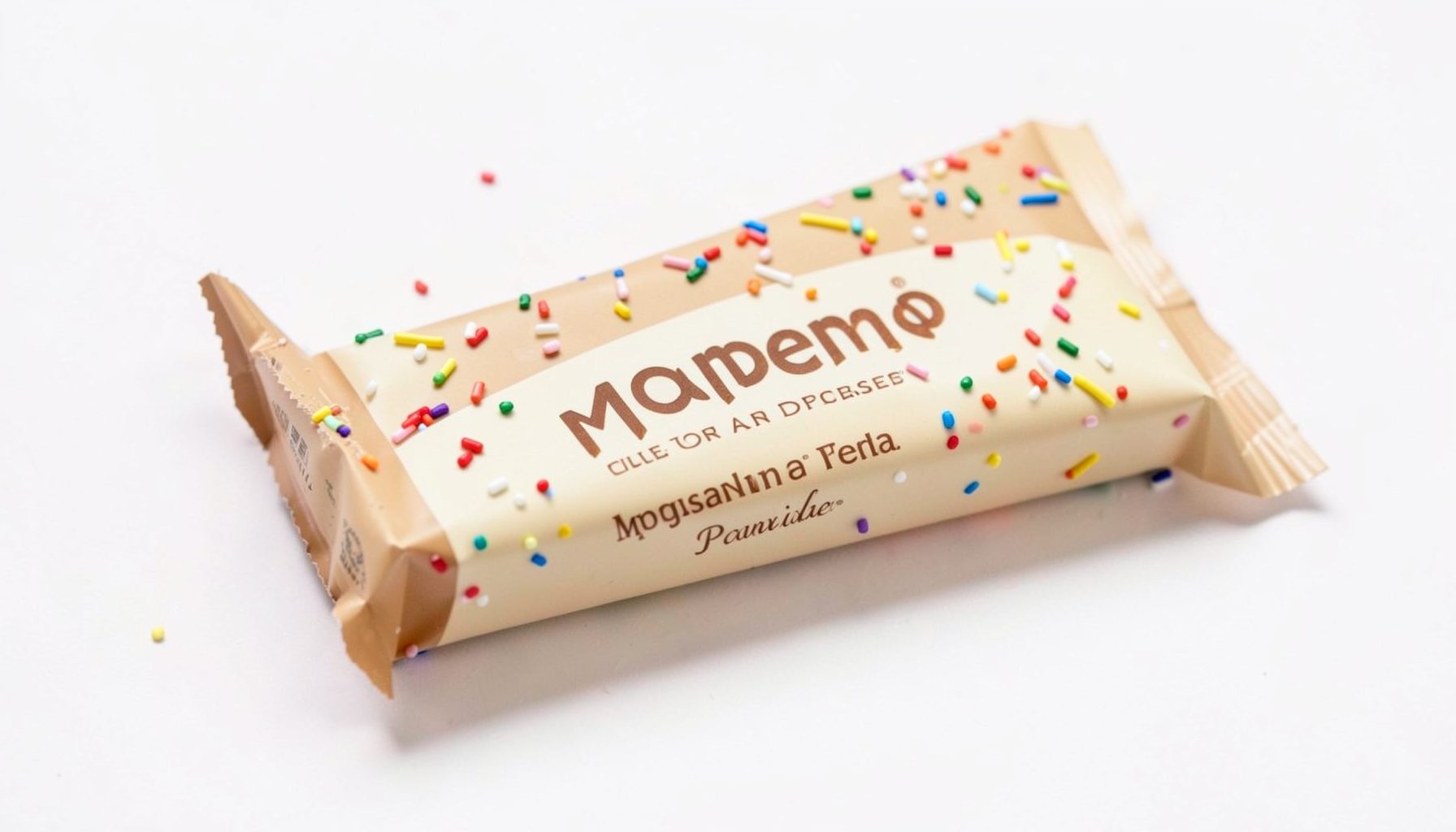
Birthday Cake
Celebratory flavor with a sweet, cake-inspired profile. Available in 1-pack and 10-pack.

Cinnamon
Warm spiced chocolate with a smooth finish. Single bars and bulk packs available.
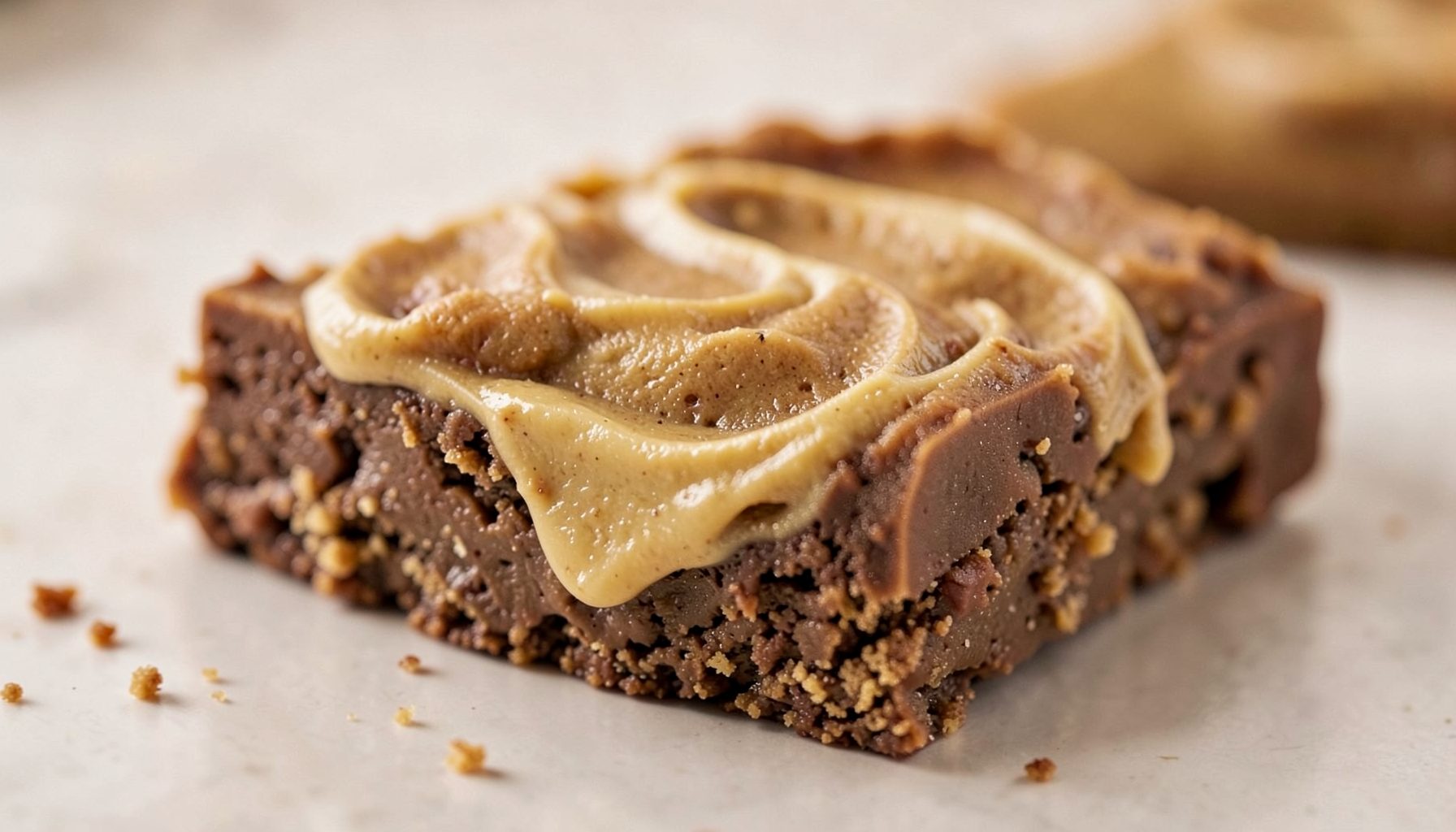
Cookie Butter
Rich, buttery cookie flavor in every bite. Offered in 1-pack and 10-pack options.

Cookies & Cream
Classic cookies-and-cream taste with a mushroom chocolate twist. 1-pack and 10-pack.
How our sourcing practices protect local ecosystems
As a California-based brand, Diamond Shruumz makes mushroom-infused chocolate bars, gummies and cones in more than 20 flavours. Flavour is what a customer notices first, yet every ingredient has a wider footprint. Cacao comes from agricultural landscapes, while mushrooms may be cultivated on farms or gathered from wild habitats; origin affects land use, biodiversity and local livelihoods.
Sourcing therefore belongs beside food quality. A meaningful standard is a documented chain linking each mushroom and cacao input to its source, production method and verification. For Australian buyers, that standard must also respect the country’s biosecurity controls, its rules on therapeutic claims and its practical focus on ingredients, dose and value.
From a broad promise to a traceable chain
Our sourcing practices protect local ecosystems only when “local” refers to the place where an ingredient is cultivated or harvested and the people whose land and knowledge support that work, rather than simply the place where a bar is finished. The distinction prevents a California address from being used as a vague substitute for a genuine origin story.
The history behind the pairing can distract from present-day inputs, so our guide to chocolate and mushroom origins separates culinary tradition from sourcing evidence. Cacao needs a farm or cooperative record, details about the growing system and confirmation that habitat claims are documented. A mushroom needs its species, grower and growing region identified before any ecological description is accepted.
Each ingredient record should name species, region, grower, lot, cultivated or wild status, harvest method and verification date. It should state whether a claim rests on an audit, a certificate or a supplier declaration. These details give the quality team a way to trace concerns to their origin and support suppliers in correcting problems before defective material moves further into production.
Wild harvests need firm boundaries
Australian consumers encounter mushrooms in contrasting landscapes. Around the Dandenong Ranges in Victoria, commercial mushroom growing forms part of a broader food-production district, while Tasmania’s cool, damp forests support seasonal wild species. A Diamond Shruumz product made in California may involve neither, which is why source details must name the actual growing area rather than imply an Australian origin.
Wild collection can affect more than the fruiting bodies picked. Intensive raking, soil compaction, trampling and repeated removal can disturb fungal networks and the species that depend on them. Leaving the underground mycelium intact helps, and controlled harvest limits matter. Collection rules also differ across Australian states and territories, with permits, protected areas and land-manager permission sometimes required.
Respect for Country gives these boundaries a deeper meaning. Traditional Owners hold knowledge about species, seasons, kinship and Country that should not be repackaged as a generic wellness story. Responsible partnerships recognise Traditional Owner protocols, seek appropriate permissions and support communities connected to the harvest area. Where knowledge cannot be shared, the commercial claim should remain limited.
Soil, substrate and the hidden harvest
Cultivation has an impact too. Substrate, water, heating and spent material all matter, so our review asks where growing inputs came from and how waste was handled. Reusing suitable agricultural by-products can reduce pressure on other feedstocks, yet the source still needs verification because contaminated or poorly controlled material can create food-safety and ecological risks.
Australia’s border controls make substrate sourcing particularly sensitive. Soil, spores and plant material can carry pests or pathogens, and informal movement of habitat material can introduce serious biosecurity threats. For any Australian distribution, our procurement requirements call for approved suppliers, compliant finished ingredients and lot documents that show the material has remained traceable across the border.
Clear sourcing information also has to survive the retail environment. General marketplaces such as German retail listings use concise specifications, safety cues and visible product details to help buyers compare goods. Although this is a different sector, the communication principle carries over: buyers should be able to see an infused product’s species, dose and source without decoding promotional language.
Verification before flavour reaches the shelf
Verification comes before an ingredient reaches the finished bar or gummy. Checks should cover species identity, contamination risk, heavy metals, microbes, moisture and allergen controls. Edible fungi can accumulate contaminants from soil or substrate, while cacao can contribute cadmium or lead depending on origin and processing. Batch testing cannot erase an environmental impact, but it can stop unsafe material from entering the food chain.
The same sourcing baseline applies across the Diamond Shruumz product range, from bars and pack sizes to gummies, cones and its many flavour options. A varied range can create demand for particular species, yet format and flavour should never determine whether an ingredient receives the same scrutiny.
Many Australian shoppers use plain terms such as clean-label, source disclosure, dose per serve and batch tested when comparing functional foods. Melbourne’s specialty chocolate culture also places a premium on origin and maker information, while Australian food and advertising rules require care with therapeutic language. Product information should therefore answer which species is present, how much appears per serve, where it came from, what was tested and which claims are legally supportable.
Turning sourcing into measurable protection
Protection becomes credible when it can be measured. Useful records include the share of ingredients with current source documents, the number of harvests subject to habitat limits, supplier corrective actions and unresolved concerns. A responsibly sourced badge carries less weight than traceable lots and evidence that a problem can be corrected at the correct farm or processor.
Sourcing can protect ecosystems by keeping value with the people closest to production. Long-term grower relationships, fair pricing, secure work and local processing where it reduces transport or improves traceability can reduce pressure to expand harvest faster. In Australia, products commonly move from importer to distributor and then independent food stores, so lot records need to survive each handoff instead of stopping at the factory gate.
Transparency also needs a clear route for specific enquiries about ingredient identity, dose or batch provenance. Retailers, distributors and reviewers can find a documented route through the contact Diamond Shruumz page, where those questions can be addressed by a person with access to the relevant records.
Our next concrete step is to publish a sourcing dossier for every mushroom ingredient, beginning with species, grower or cooperative, growing region, cultivated or wild status, and the date of its most recent verification.

Send Us a Message
Get in Touch
Have questions about our products or your order? Reach out and we'll get back to you.
- California, USA
- Contact Page