
California • Est. 2019
Premium mushroom chocolate bars, gummies, and cones crafted in California. Bold flavors, uncompromising quality, and a brand built from the ground up.
Explore the CollectionOur Collection
Shruumz Chocolates & Gummies
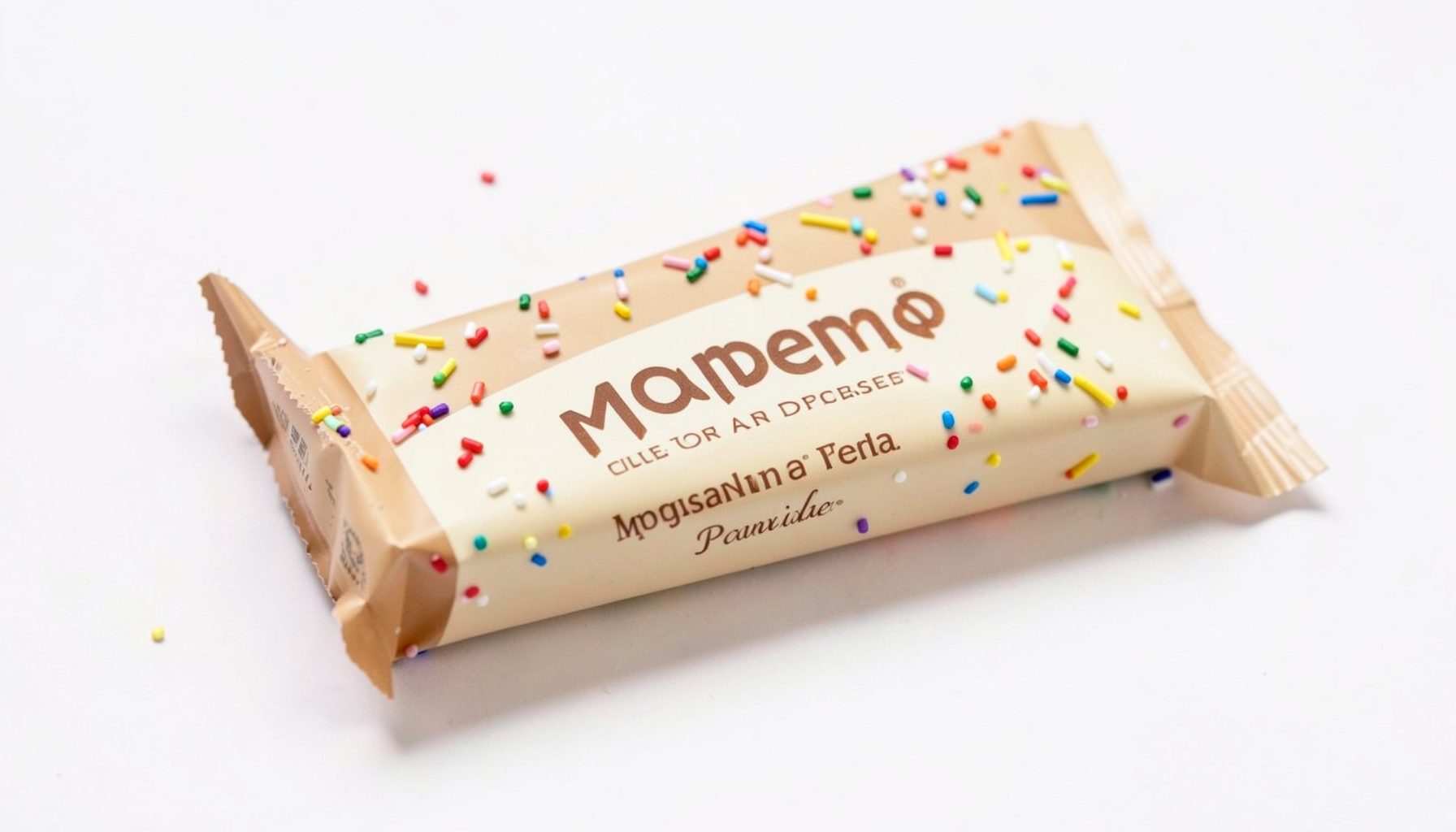
Birthday Cake
Celebratory flavor with a sweet, cake-inspired profile. Available in 1-pack and 10-pack.
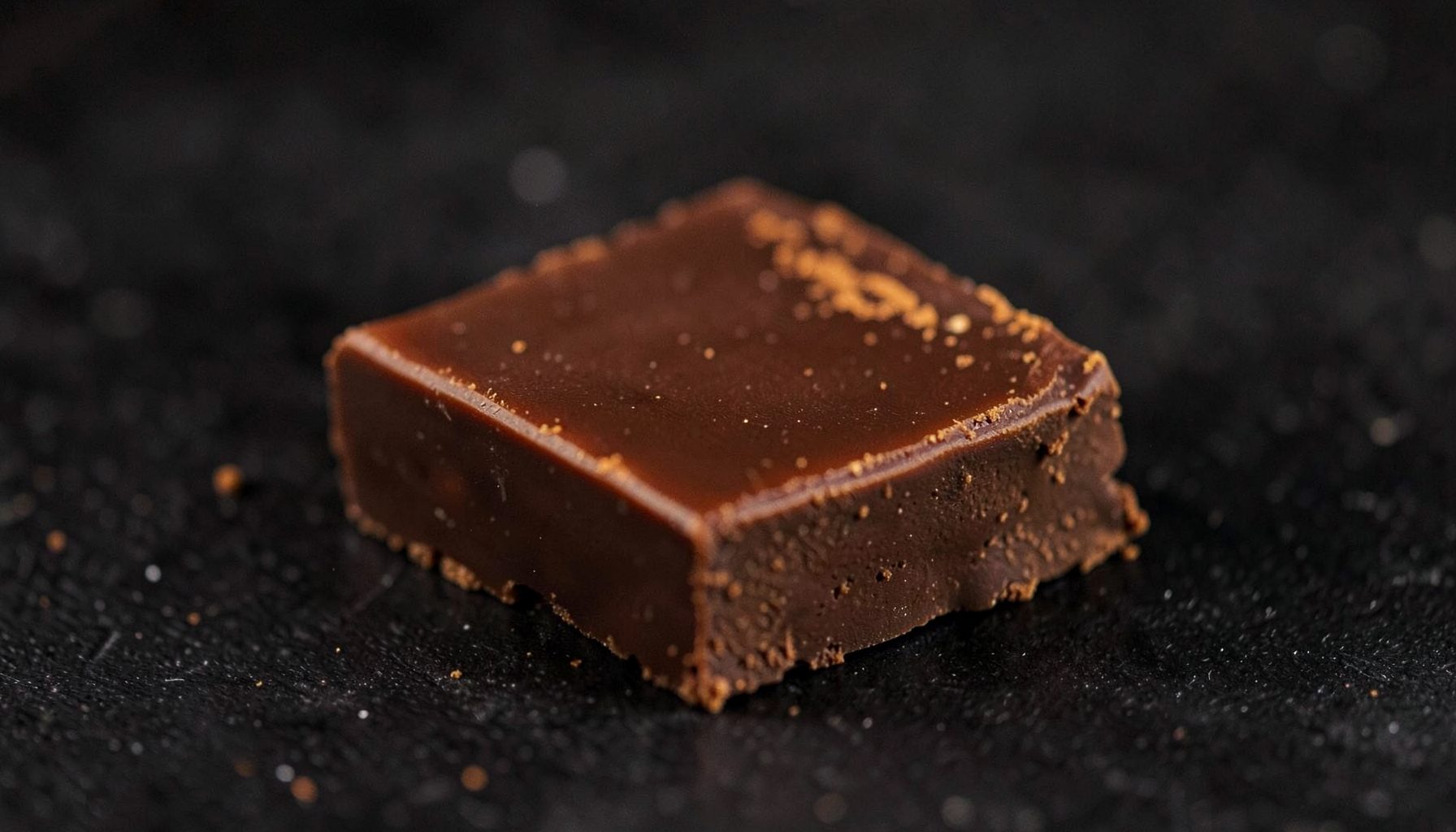
Cinnamon
Warm spiced chocolate with a smooth finish. Single bars and bulk packs available.
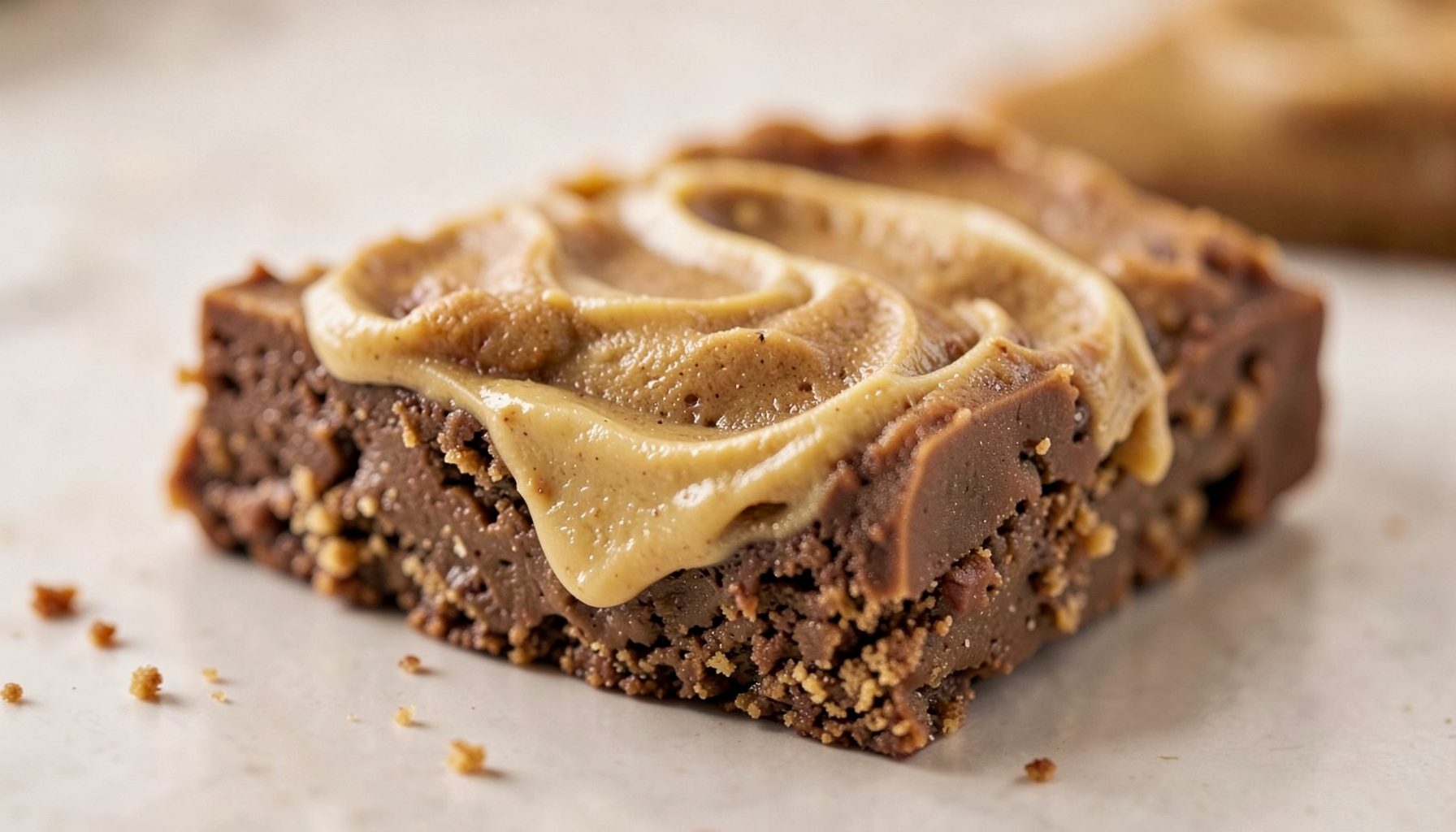
Cookie Butter
Rich, buttery cookie flavor in every bite. Offered in 1-pack and 10-pack options.
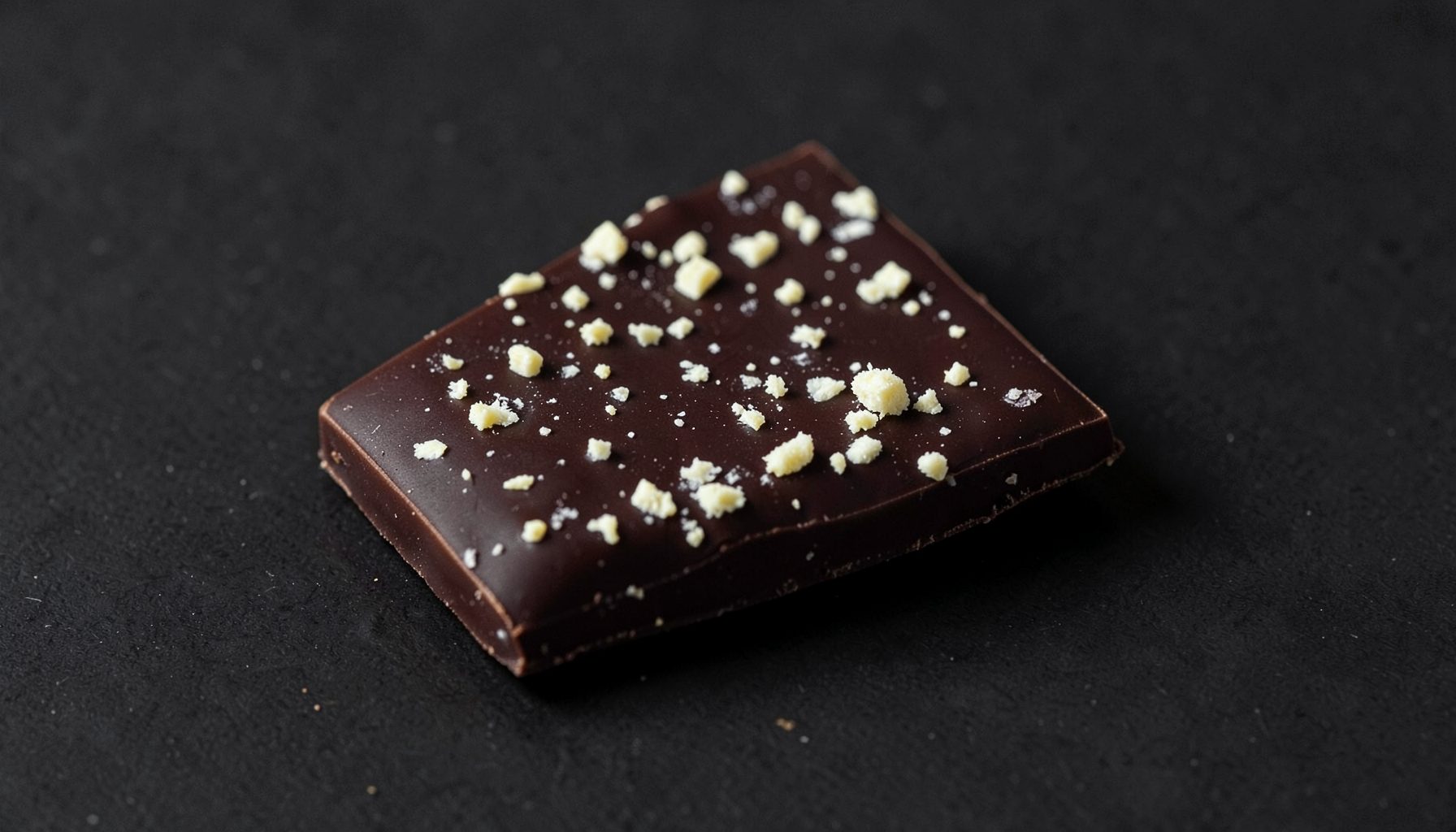
Cookies & Cream
Classic cookies-and-cream taste with a mushroom chocolate twist. 1-pack and 10-pack.
Listening closely: how our team responds to dosing feedback
Every jar of gummies, every chocolate bar, every cone that leaves our California facility carries a number on the label — a milligram count we take seriously. When a customer from Sydney or Fremantle writes in to say the strength felt different from a previous order, that message lands with a specific person on our team within a few hours. We treat each note as data, but also as a conversation starter with someone who has trusted us with their evening routine or weekend wind-down. Learn more about Diamondshruumzgummies.com.
Australian customers tend to be detail-oriented. Many have already read the packaging twice, cross-referenced it with online reviews, and checked our published lab results before they ever hit send. They want specifics, not reassurance, and they appreciate when a brand meets them halfway. That's the bar we hold ourselves to every time we open a new ticket.
This article walks through what actually happens after you click submit. From the moment your email arrives to the changes we sometimes make to a recipe, the path is methodical but human. You'll see where your feedback travels, who reads it, and what we do when patterns emerge across multiple customers in the same postcode.
Where feedback lands first
Our shared inbox acts as the front door. Messages from the contact form, direct DMs on Instagram, and notes left on product pages all funnel into one queue, tagged by region. Anything from Australia gets a small flag — it helps us spot whether the same batch is causing questions across Sydney's Inner West and Brisbane's Fortitude Valley at the same time. Two team members rotate through the queue every morning, Pacific Time, which means Australian afternoon messages usually get a same-day reply.
The queue isn't a holding pen. Each ticket is skimmed within thirty minutes of arrival. If the subject line mentions "dose", "strength", "milligrams", or any variation, the ticket jumps to the priority list. We learned early on that dosing accuracy is rarely a casual question — it usually connects to a wellness goal, a recreational plan, or a medical decision, and we'd rather be thorough than fast.
Reading the message: context and intent
Before anyone replies, we read the message twice. The first pass is for the practical details — order number, flavour, batch code, date of delivery. The second pass is for tone. A customer in Adelaide might be politely puzzled; a customer in Cairns might be frustrated; a customer in Perth's Cockburn area might be asking out of genuine curiosity. Each tone shapes the reply.
What customers are usually trying to find out:
- Whether the milligrams listed on the front match what is in the piece they ate
- If a new batch feels weaker or stronger than a previous one
- How to compare our dosing to a different brand they tried
- Whether storage conditions might have changed the experience
Many messages begin with "G'day" or "no worries if you can't help" — Australian manners at work. We mirror that warmth back, then dive into the specifics. We never assume the customer is wrong, and we never assume the lab data is right without checking it against the exact batch they received.
Checking the batch and lab data
Once we have the batch code, we pull the certificate of analysis. Every production run has one — it's tied to the same third-party labs that produce the lab results explainer we publish publicly. If the certificate shows the active ingredient content is within ten percent of the label claim, the dosing was accurate within industry norms and the customer's experience likely comes down to personal sensitivity or set and setting.
If the certificate shows a wider spread, the conversation shifts. We bring in our head of production, who traces the batch back to the raw material supplier, the mixing date, and the curing conditions. Sometimes a single batch drifted, and we issue a credit or replacement. Sometimes the pattern suggests a recipe tweak is needed.
Reaching out to the customer
By the time we've reviewed the data, we usually have a clear answer. Our standard reply explains what the lab showed, what it means for the customer's experience, and what we'll do next. If we owe a replacement or a refund, we offer it without making the customer chase us. The reply also invites follow-up questions — a small thing, but it signals that we want the conversation to continue rather than close.
For Australian customers, we keep an eye on the time zone gap. A reply that lands at 4am Sydney time isn't useful, so we schedule messages to send at 9am local. We keep a library of common scenarios so the response stays consistent whether the message came from Hobart or Darwin, but we always personalise the greeting — "thanks for reaching out from Melbourne" reads differently from a generic "thanks for getting in touch", because it tells the customer we actually read the postcode.
Adjusting formulas and labels when patterns emerge
Single feedback messages get answered. Clusters of feedback get studied. When three or more customers from different postcodes report the same issue with the same batch, the data goes to our product development meeting. Sometimes the conclusion is a labelling change — clarifying that a "serving" is one piece rather than the whole packet, for instance.
Common adjustments we have made:
- Rephrasing serving size language on cones and bars
- Adding a storage note about heat exposure during Australian summers
- Slight increases in active ingredient per piece to keep us comfortably above label claim
- Reformulating a single flavour that consistently underperformed in feedback
Each change is documented, and the next batch that goes out reflects it. Customers who flagged the original issue get a follow-up email letting them know what shifted, which closes the loop in a way most brands never bother to do. New flavours and reformulations appear on the main site as soon as they're available, so customers can see the change rather than just hearing about it.
Sharing what we learn across the team
Dosing feedback doesn't stay in the support inbox. Every Friday, the customer care lead writes a short summary — no more than a page — of patterns from the week. The summary goes to production, sourcing, and the founders. When a new supplier is being considered, recent feedback on consistency often weighs into the decision.
This is also where our dietary transparency work dovetails with dosing work. A customer asking about gluten-free status or vegan suitability sometimes also asks about how those choices affect potency, so the team behind our vegan and gluten-free standards collaborates with the support team on replies. The guides live on the site, but the way they're written is shaped by real questions from customers in places like Geelong and Wollongong who need clear, plain-English answers.
The limits of what dosing feedback can tell us
Dosing feedback is valuable but imperfect. A report of "felt weaker" might mean the active ingredient was lower, or it might mean the piece was slightly smaller, or it might mean the customer's tolerance had shifted since the last order. We learned early on not to treat every report as a production failure, and not to dismiss every report as user error. The skill is in holding both possibilities while the data is being checked.
We also don't promise perfect dose uniformity piece to piece. The mushroom ingredient is blended into a chocolate or gummy matrix, and natural variation of a few percent per piece is normal. Our labels account for that variation, and our third-party testing confirms it. When a customer's experience falls outside that expected range, that's when we dig deeper.
If a recent order felt different from a previous one, the most useful thing you can do is find the batch code printed on the back of the pouch and have it ready before you contact us — with that single piece of information, the support team can pull the certificate of analysis on the same day and give you a clear answer about what was in that specific batch.

Send Us a Message
Get in Touch
Have questions about our products or your order? Reach out and we'll get back to you.
- California, USA
- Contact Page