
California • Est. 2019
Premium mushroom chocolate bars, gummies, and cones crafted in California. Bold flavors, uncompromising quality, and a brand built from the ground up.
Explore the CollectionOur Collection
Shruumz Chocolates & Gummies
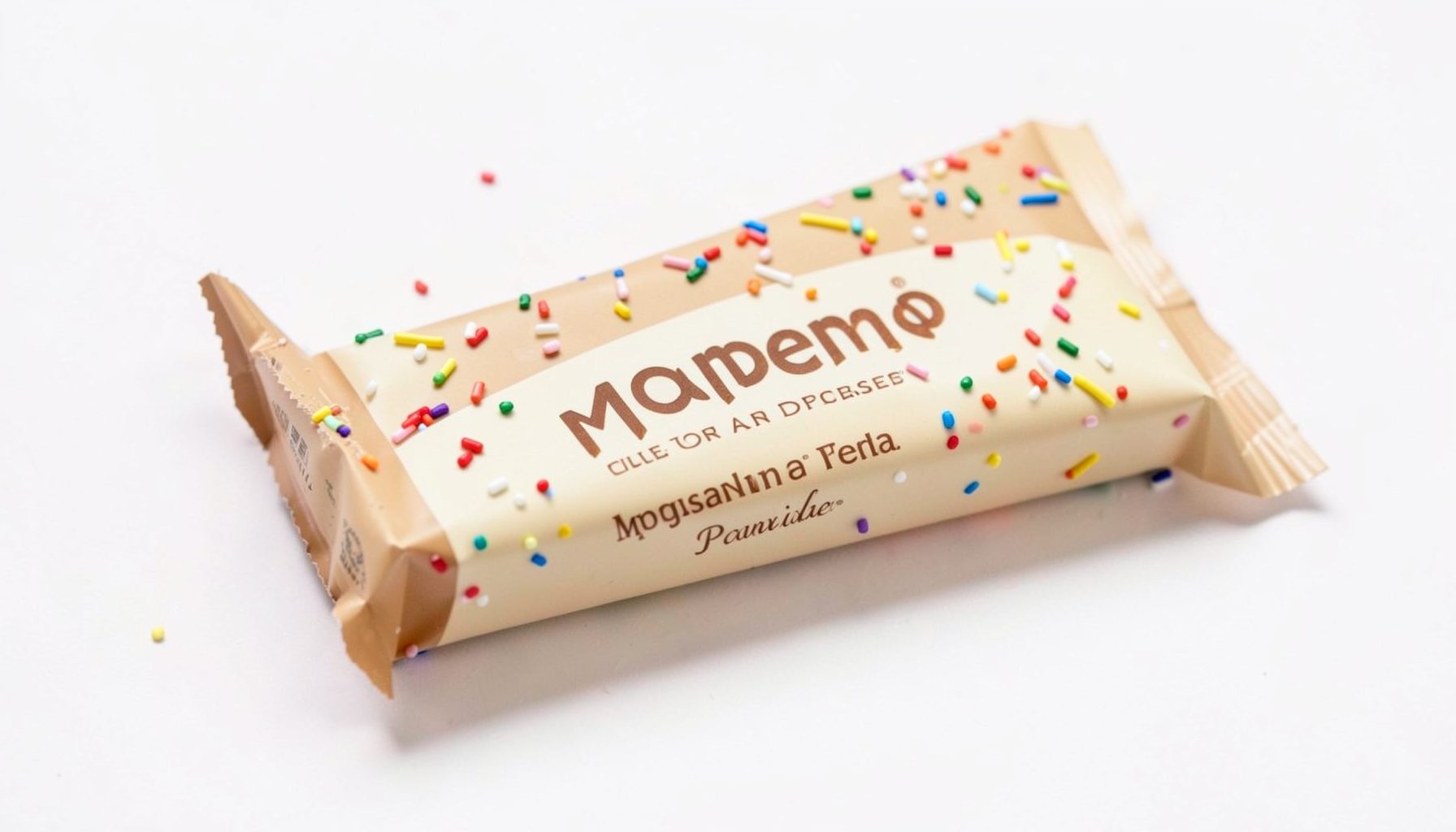
Birthday Cake
Celebratory flavor with a sweet, cake-inspired profile. Available in 1-pack and 10-pack.
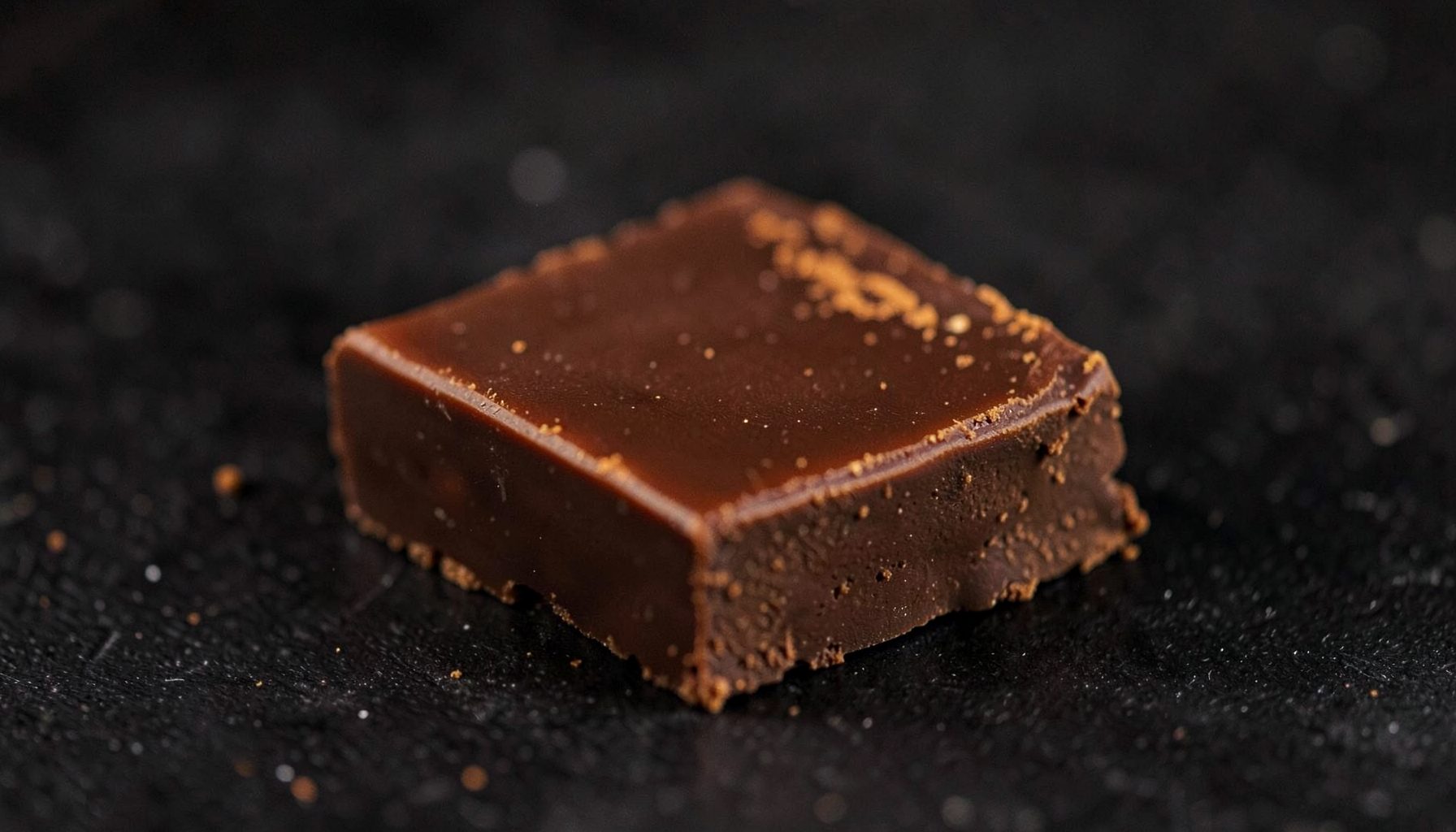
Cinnamon
Warm spiced chocolate with a smooth finish. Single bars and bulk packs available.
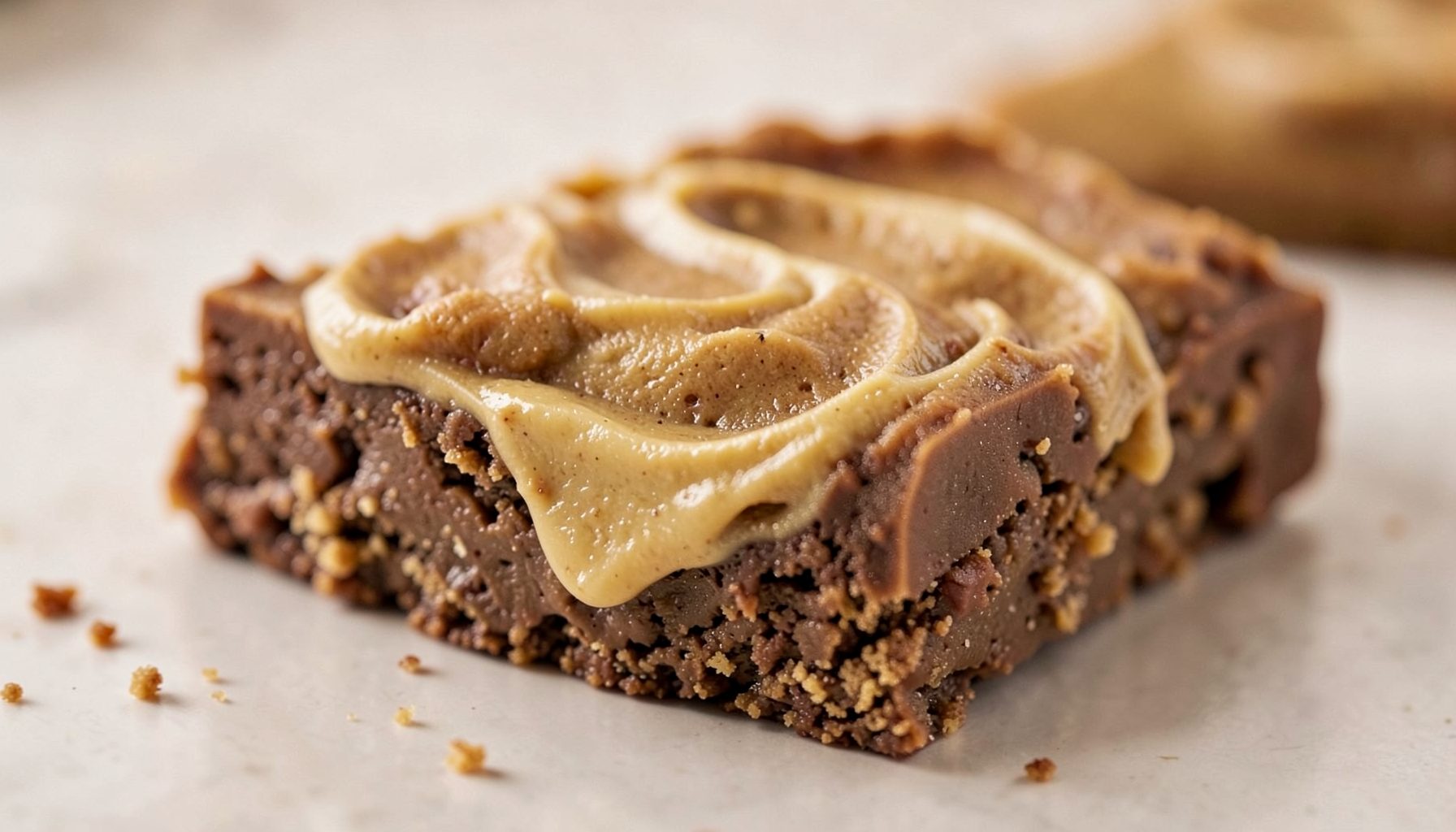
Cookie Butter
Rich, buttery cookie flavor in every bite. Offered in 1-pack and 10-pack options.
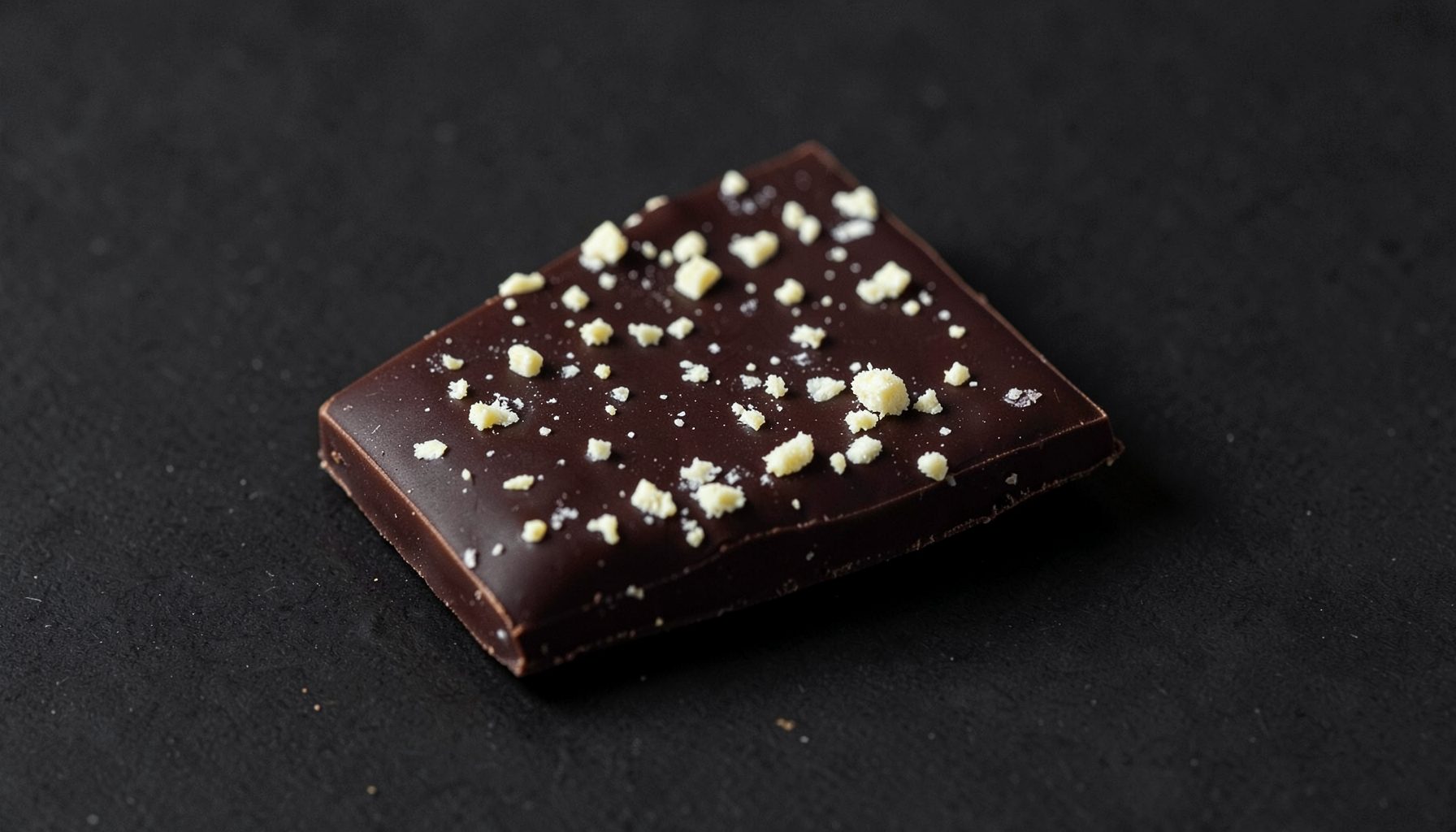
Cookies & Cream
Classic cookies-and-cream taste with a mushroom chocolate twist. 1-pack and 10-pack.
How New Mushroom Flavor Combinations Come To Life
A memorable flavor rarely appears by accident. It begins with a creative question: what kind of experience should the first bite create? For a mushroom-infused chocolate bar, gummy, or cone, the answer depends on more than sweetness. Texture, aroma, color, ingredient compatibility, serving format, and the character of the mushroom blend all shape the final concept.
Flavor development is both an artistic and practical discipline. A bold idea must still taste balanced after processing, remain recognizable across different product formats, and fit the expectations of customers exploring a collection with many choices. That requires a methodical process built around tasting, comparison, refinement, and clear communication.
For a brand such as Diamond Shruumz, the creative process also connects flavor with identity. The goal is to make every variety distinctive while maintaining a consistent standard for sourcing, presentation, and responsible product information.
Starting With A Flavor Story
The first stage is often a simple narrative rather than a recipe. A flavor may be designed to feel bright and refreshing, rich and dessert-like, or nostalgic enough to recall a familiar treat. This story gives the development team a direction before individual ingredients are selected.
Citrus combinations can suggest energy and freshness, while vanilla, caramel, or toasted notes create a smoother dessert profile. Berry flavors may bring acidity and color, whereas tropical fruit can make a product feel more adventurous. The concept should be specific enough to guide decisions but flexible enough to evolve during testing.
Format matters at this point. A flavor that works beautifully in a dense chocolate base may need adjustment in a gummy, where acidity, chewiness, and fruit intensity are more prominent. The same creative idea can therefore produce several related expressions rather than one identical formula.
Building An Ingredient Palette
Once the flavor story is defined, developers assemble a palette of ingredients. This can include cocoa varieties, natural fruit flavors, botanical notes, sweeteners, spices, inclusions, and textural elements. Each component has a role, and adding more ingredients does not automatically create more depth.
A successful combination usually has a lead note, supporting notes, and a finish. For example, dark chocolate may provide the foundation, raspberry may bring brightness, and a small amount of vanilla may soften the transition between them. If every ingredient competes for attention, the result can taste confused rather than complex.
Ingredient transparency is especially important for mushroom-infused products. Customers need to understand what contributes to flavor, what supports texture, and what is included in the mushroom blend. Diamond Shruumz explains this approach in its ingredient transparency guide, where clarity is presented as part of product quality rather than a marketing afterthought.
Balancing Taste, Texture, And Potency
Flavor design must account for the product’s complete sensory profile. Aroma influences the first impression, texture determines how the flavor develops, and the finish can decide whether a combination feels polished. Chocolate may need a clean snap or a creamy melt, while gummies depend on chew, moisture, and the timing of their flavor release.
Mushroom ingredients can introduce earthy or savory impressions that interact differently with each format. Chocolate can provide a deep, rounded foundation, while fruit or spice can add contrast. The objective is not always to hide every distinctive note. In some cases, a carefully balanced earthy undertone can make the flavor feel more layered.
Potency and flavor should be evaluated separately. A stronger serving is not necessarily a more intense flavor, and a colorful package should not imply a particular effect. Clear serving information, ingredient details, and responsible use guidance allow customers to judge a product on accurate information rather than assumptions.
Comparing Flavor Directions
Creative teams often compare several directions before choosing one for full development. A tasting framework helps separate personal preference from measurable qualities such as aroma, sweetness, acidity, aftertaste, and texture. It also makes it easier to identify what needs changing.
| Flavor direction | Primary impression | Useful supporting notes | Best suited format |
|---|---|---|---|
| Dark chocolate and berry | Rich with a tart finish | Vanilla, cocoa nib, light citrus | Chocolate bar |
| Tropical fruit and cream | Bright, smooth, and playful | Coconut, pineapple, soft vanilla | Gummies |
| Caramel and sea salt | Sweet with savory contrast | Toasted sugar, milk chocolate | Chocolate bar |
| Citrus and ginger | Zesty with gentle warmth | Lemon, orange, mild spice | Gummies or cones |
| Mint and cocoa | Cool and familiar | Dark chocolate, vanilla, light sweetness | Chocolate bar |
The strongest candidate is not always the most unusual. A familiar combination can be more effective when its proportions, finish, and texture feel carefully considered. Distinctiveness may come from a subtle contrast, such as a salted finish or a restrained spice note, instead of an overwhelming ingredient list.
Refining Through Structured Tasting
After initial prototypes are created, the evaluation process becomes more precise. Samples may be reviewed in controlled portions and compared under similar conditions. Developers consider the first aroma, the opening taste, the middle notes, the finish, and how the flavor changes as the product warms or is chewed.
Small adjustments can have a major effect. Reducing sweetness may allow fruit notes to stand out. Increasing cocoa depth can make a soft flavor feel more substantial. A touch of acidity can prevent a gummy from seeming heavy, while a smoother texture can make a bold flavor easier to enjoy.
Feedback should be recorded in consistent language. Words such as “bright,” “dry,” “earthy,” “creamy,” “sharp,” or “lingering” are more useful than a general statement that a sample is good or bad. Several rounds of testing help distinguish a temporary impression from a repeatable quality.
Turning A Concept Into A Collection
A new flavor should work within the larger collection rather than exist in isolation. If several products are already fruit-forward, a chocolate, spice, or mint concept can create welcome variety. If the collection includes many rich profiles, a lighter citrus or berry option may give customers a different route into the brand.
Packaging and naming also influence how a flavor is perceived. The name should communicate the main taste without promising an experience that the ingredients cannot deliver. Visual design can reinforce the flavor story through color and imagery, but descriptions should remain grounded in what is actually inside the package.
The wider identity of Diamond Shruumz informs these decisions. Customers can learn more about the company’s background and product philosophy through its brand story, while the chocolate bar collection shows how flavor variety can be expressed within a focused format.
Principles That Guide Better Flavor Development
A disciplined creative process keeps experimentation aligned with quality and customer clarity. The following principles help turn an interesting idea into a dependable product:
- Begin with a clear flavor story instead of adding ingredients without a defined purpose.
- Give each ingredient a role, whether it provides the base, contrast, aroma, texture, or finish.
- Test a concept in the format where it will be sold, since chocolate, gummies, and cones release flavor differently.
- Record sensory feedback consistently across multiple tasting rounds.
- Pair appealing names and visuals with accurate ingredient, serving, and product information.
The process also benefits from restraint. A combination with three well-matched notes may be more memorable than one crowded with competing flavors. Simplicity makes the main profile easier to recognize and gives customers a clearer expectation before they open the package.
Explore The Next Flavor Experience
Designing new flavor combinations is a balance between imagination and control. The most engaging products begin with a strong concept, develop through careful ingredient pairing, and earn their place in a collection through repeated testing. Every successful bite reflects decisions about taste, texture, format, transparency, and the way customers are likely to discover it.
Explore the available Diamond Shruumz flavors, review the product details and serving information, and choose a profile that matches your preferences and experience level. Let the next flavor be selected with curiosity, attention, and a clear understanding of what is in each package.

Send Us a Message
Get in Touch
Have questions about our products or your order? Reach out and we'll get back to you.
- California, USA
- Contact Page