
California • Est. 2019
Premium mushroom chocolate bars, gummies, and cones crafted in California. Bold flavors, uncompromising quality, and a brand built from the ground up.
Explore the CollectionOur Collection
Shruumz Chocolates & Gummies
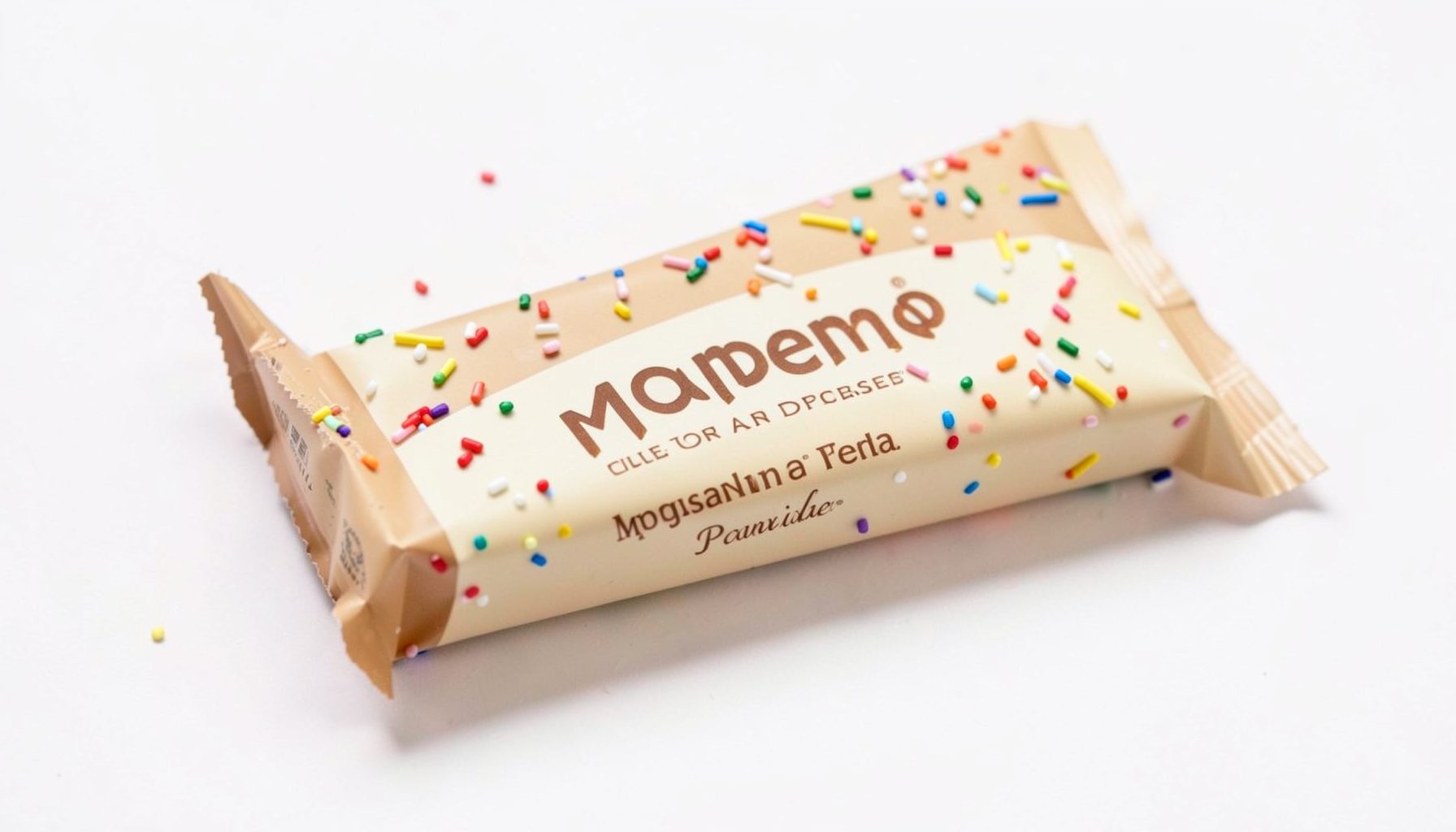
Birthday Cake
Celebratory flavor with a sweet, cake-inspired profile. Available in 1-pack and 10-pack.
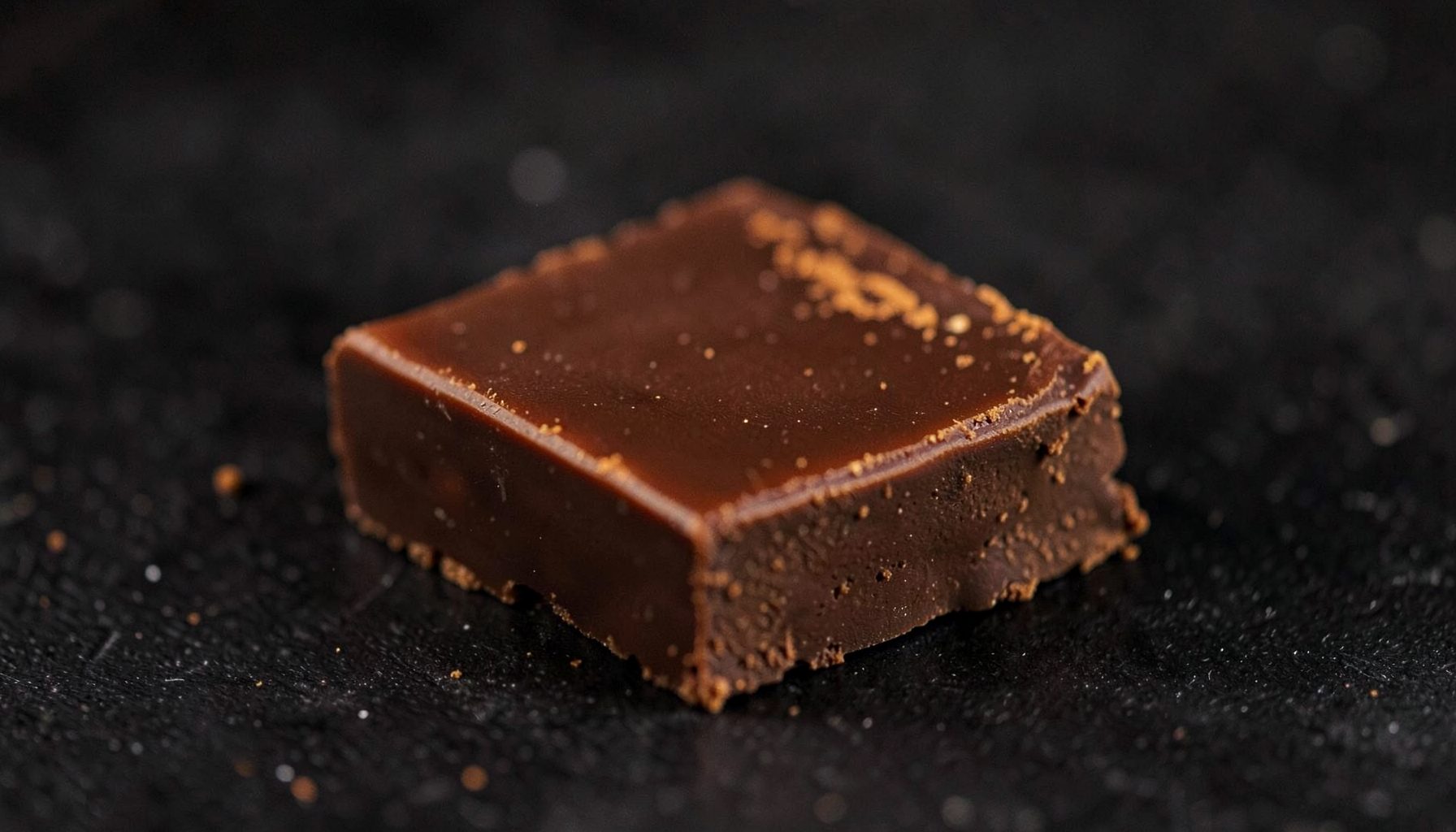
Cinnamon
Warm spiced chocolate with a smooth finish. Single bars and bulk packs available.
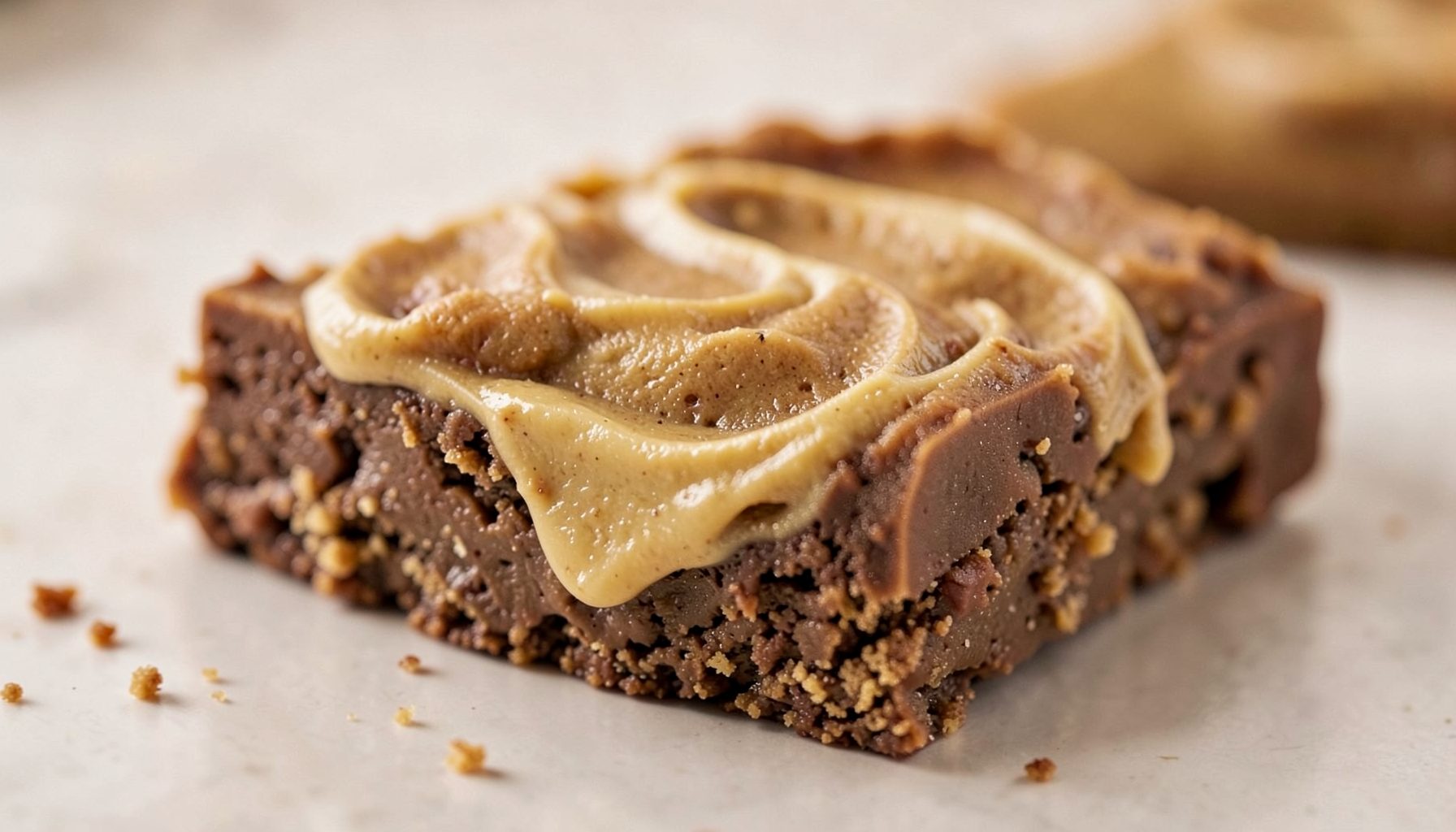
Cookie Butter
Rich, buttery cookie flavor in every bite. Offered in 1-pack and 10-pack options.
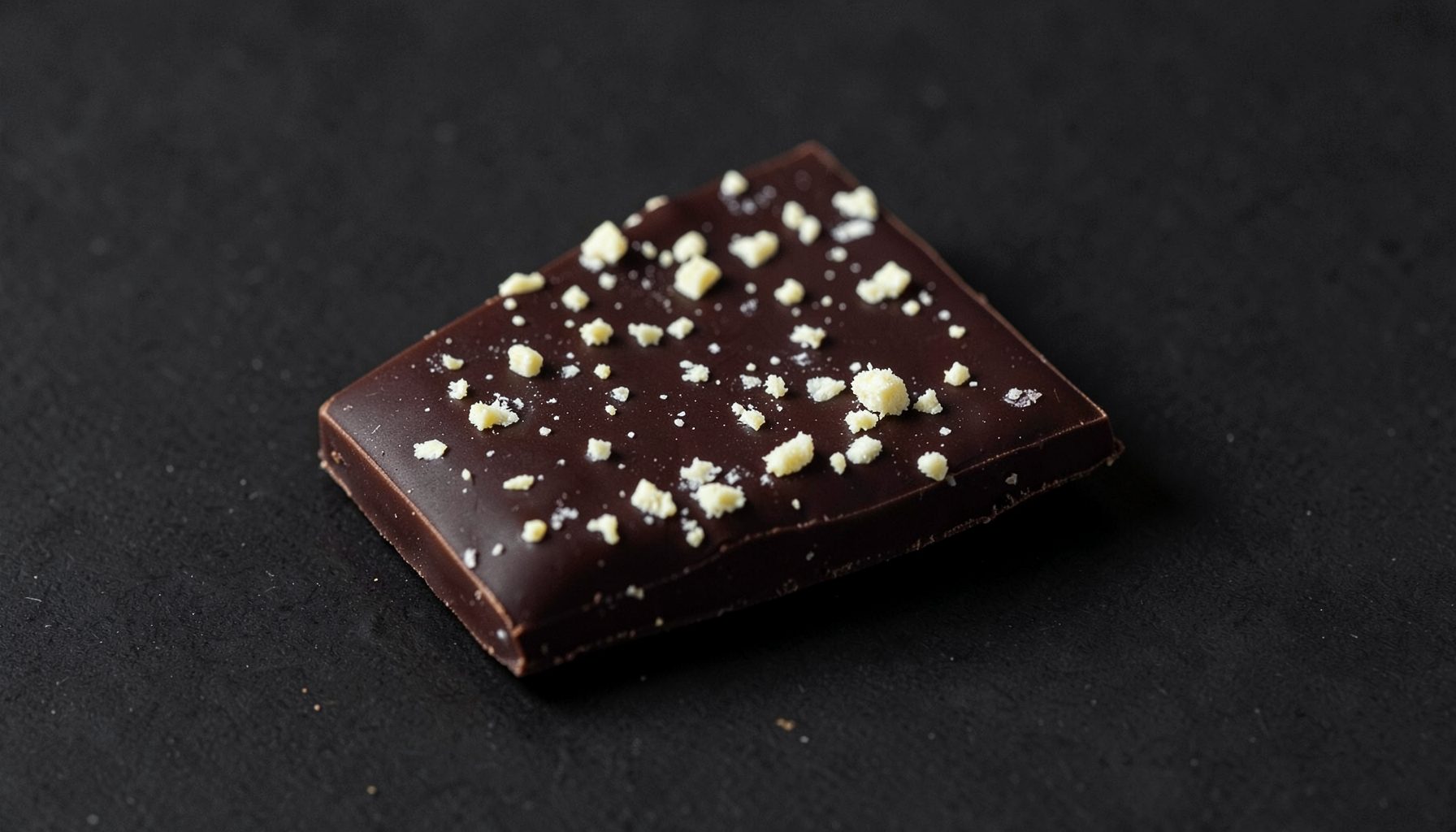
Cookies & Cream
Classic cookies-and-cream taste with a mushroom chocolate twist. 1-pack and 10-pack.
Raw Mushroom Powder And Infused Gummies Explained
Mushroom powder and infused gummies may come from the same broad product category, yet they offer very different ways to measure, consume, store and understand an ingredient. Powder is usually a minimally processed mushroom material, while a gummy is a finished food-format product with a recipe, texture, flavouring and a stated amount per piece.
That distinction matters for Australian customers comparing imported products, browsing online collections or trying to understand labels from overseas brands. Product names can refer to culinary mushrooms, functional mushroom extracts or psychoactive compounds, and those categories are not interchangeable under Australian law.
The most useful comparison is practical: what is in the product, how consistently it is portioned, how quickly it fits into a routine, and whether the claims are supported by clear ingredient and testing information. A careful buyer should assess the entire label rather than relying on the word “mushroom” alone.
What Raw Mushroom Powder Usually Means
Raw mushroom powder is generally made by drying mushrooms and grinding them into a fine material. It may contain the mushroom’s broader components, including fibre and naturally occurring compounds, but its strength can vary according to species, growing conditions, harvest, moisture level and processing methods. “Raw” does not automatically mean untested, pure or stronger.
Some powders are intended for cooking or blending into drinks, while others are sold as supplements or concentrated extracts. An extract may use hot water, alcohol or another process to draw out particular compounds, so an extract powder should not be treated as equivalent to a simple ground mushroom. The label should identify the species, plant part, extraction ratio and serving size where relevant.
Mushroom traditions have a long and varied history, but historical use does not prove that a contemporary powder is safe or effective for every person. Readers interested in the cultural background can explore this overview of traditional mushroom medicine, while keeping historical accounts separate from modern clinical evidence and Australian regulation.
Powder can also be harder to portion accurately at home. A kitchen teaspoon is not a reliable substitute for a calibrated scale, particularly when the active material is unevenly distributed. If the package does not provide a clear mass-per-serving figure, batch information and testing details, its dose claims deserve extra caution.
How Infused Gummies Are Made
Infused gummies combine a measured ingredient with a confectionery base. Common components may include sugar or sweeteners, pectin or gelatin, acids, natural or artificial flavours, colourings and oils or powders carrying the mushroom material. The finished product is designed to be convenient, portable and easy to divide into individual pieces.
A gummy can offer more consistent serving sizes than loose powder when the mixture has been properly homogenised and the manufacturer uses validated production controls. That consistency is not guaranteed by the format alone. Poor mixing, inaccurate filling or weak quality assurance can leave some pieces with more active material than others.
Packaging may describe a total amount for an entire bag and a smaller amount per gummy. These figures should be read carefully. A packet labelled “500 mg” might refer to mushroom material, an extract, or a particular compound, and the number may not indicate potency in a meaningful way without species and laboratory context.
Flavour can make gummies easier to consume than an earthy powder, especially for people who dislike the taste of mushrooms. It can also mask bitterness or unusual odours that might otherwise prompt closer inspection. Attractive branding and a long list of flavours are not substitutes for a complete ingredient panel.
Dosing, Timing And Everyday Use
Powder gives the user more control over the amount in theory, but that control depends on accurate weighing and a uniform product. Gummies provide a fixed unit, which can make record-keeping simpler: one can note the product, piece count, time and any effects. Neither format should be treated as risk-free, and a larger serving is not automatically a better experience.
For products containing psychoactive mushroom compounds, effects may be delayed and can last for several hours. Combining them with alcohol, cannabis, sedating medicines or other substances can increase uncertainty. People with a history of psychosis, bipolar disorder, significant heart problems or medication interactions should seek medical advice before considering any psychoactive product.
Australian routines also affect practical safety. A person commuting through Sydney, working a retail shift in Melbourne or attending a barbecue in Brisbane should avoid experimenting before driving, cycling, operating equipment or managing responsibilities. A quiet, familiar setting and a sober support person are more appropriate than a crowded festival or a hot day at the beach.
A weekend routine guide may help explain how a brand presents its products, but promotional guidance is not a substitute for medical advice, independent testing or an assessment of local law. Start with information, not assumptions about personal tolerance.
Reading Labels And Checking Quality
Compare powder and gummies by checking the same core details. The botanical or fungal species should be named rather than hidden behind a broad term such as “mushroom blend”. Look for the amount per serving, the number of servings, batch or lot identification, expiry information, storage instructions and contact details for the manufacturer or importer.
For a meaningful quality assessment, independent laboratory results should identify what was tested and when. A certificate that only confirms an ingredient’s presence may not address heavy metals, pesticides, microbes, undeclared cannabinoids or psychoactive compounds. “Natural”, “wellness” and “proprietary blend” are marketing terms unless supported by specific evidence.
Useful Label Details
- Named mushroom species and part used
- Clear serving size and total quantity
- Batch number, expiry date and storage advice
- Independent testing for contaminants and identity
A gummy’s long ingredient list is not necessarily a problem, and a powder with one ingredient is not automatically superior. The relevant issue is whether the product is accurately described and suitable for its intended use. People with allergies should check carriers, flavourings and shared-facility statements, while vegans should confirm whether the gummy uses pectin or gelatin.
Questions For A Product Comparison
- Is the material raw powder, extract or a blended formula?
- Does the stated amount refer to mushroom material or active compounds?
- Are results available for the specific batch?
- Can the product legally be sold, possessed or imported in Australia?
Australian Legal And Buying Considerations
Australian law makes the distinction between mushroom products especially important. Psilocybin and psilocin are controlled substances, and access is tightly restricted. Since July 2023, authorised psychiatrists have been able to prescribe psilocybin for treatment-resistant depression within a regulated framework, but that change did not create general retail access. Recreational possession, supply and importation can still carry serious penalties.
Rules can differ in practical enforcement and detail between jurisdictions such as New South Wales, Victoria, Queensland and Western Australia. A product purchased from an overseas website is not necessarily lawful to import, even if it is openly advertised or available in another country. Australian Border Force and the Therapeutic Goods Administration may apply separate requirements depending on the ingredients and claims.
The same caution applies to products described as “legal mushrooms” or “non-psychoactive”. A name, logo or online customer review cannot establish the chemical contents of a batch. Before purchasing, consumers should check current official information, avoid relying on social media claims and speak with a pharmacist or doctor when medicines or health conditions are involved.
Brand websites can be useful for comparing pack sizes, flavours and stated ingredients. The Diamond Shruumz collection presents product information from the manufacturer’s perspective, so its descriptions should be considered alongside independent testing and Australian regulatory guidance. Online availability does not equal local approval.
For Australian readers, the central difference is straightforward: powder is a flexible raw or extracted ingredient whose concentration may require careful measurement, while an infused gummy is a pre-formulated serving whose consistency depends on manufacturing controls. Check the species, dose basis, test results, ingredients and legal status before treating either format as suitable. The safest choice is the one that can be clearly identified, independently verified and used within Australian law.

Send Us a Message
Get in Touch
Have questions about our products or your order? Reach out and we'll get back to you.
- California, USA
- Contact Page