California • Est. 2019
Premium mushroom chocolate bars, gummies, and cones crafted in California. Bold flavors, uncompromising quality, and a brand built from the ground up.
Explore the CollectionOur Collection
Shruumz Chocolates & Gummies
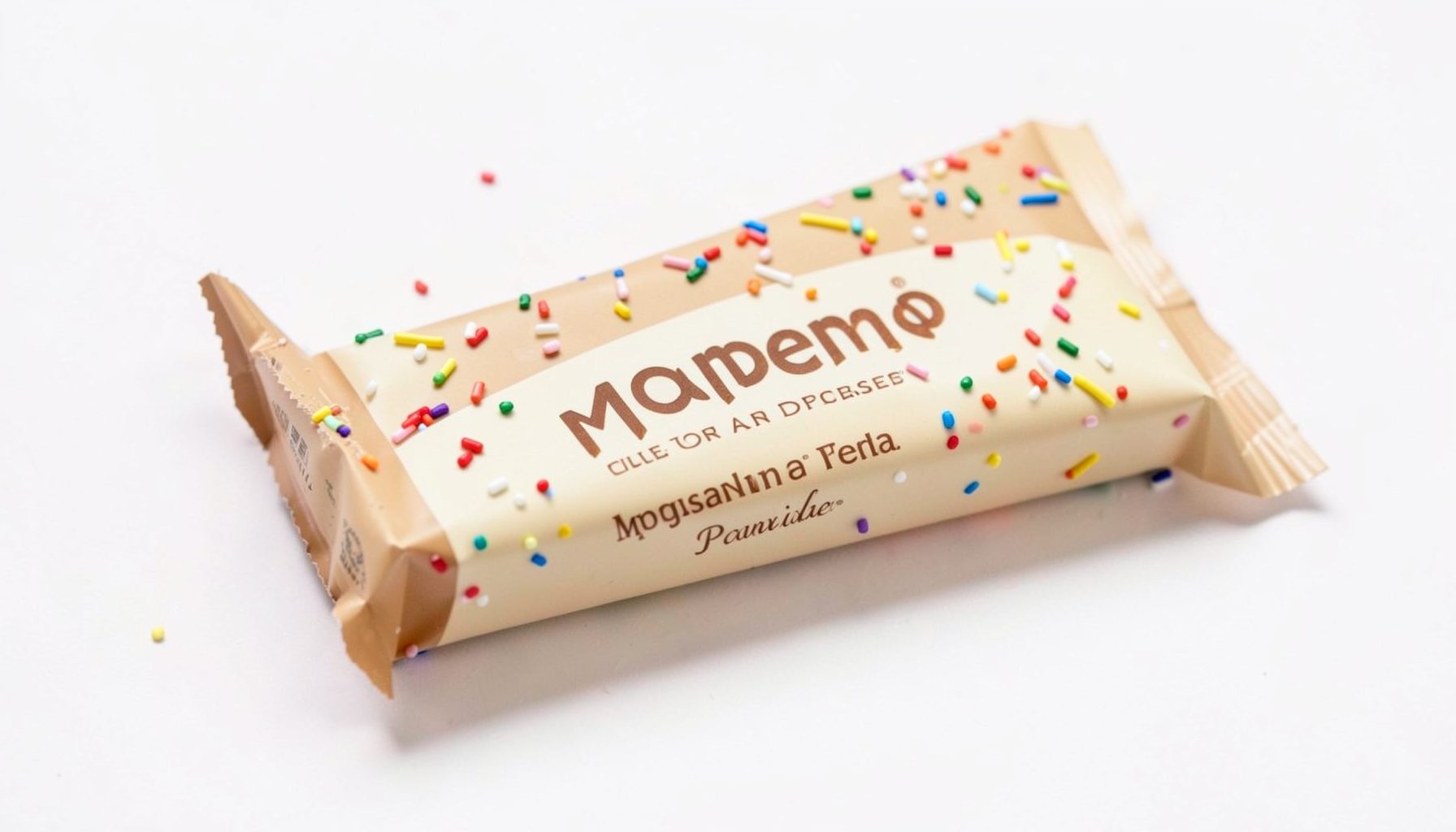
Birthday Cake
Celebratory flavor with a sweet, cake-inspired profile. Available in 1-pack and 10-pack.
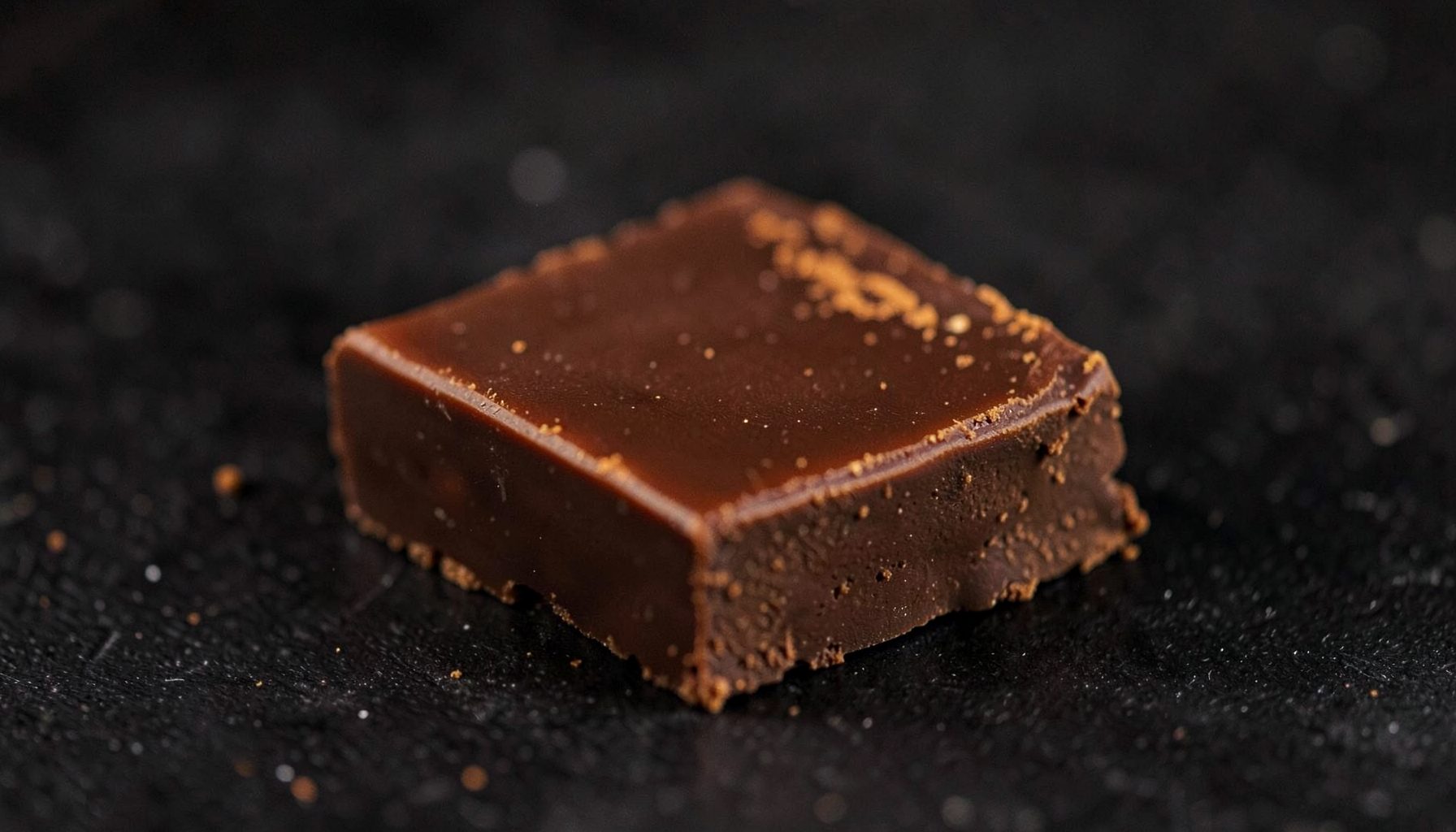
Cinnamon
Warm spiced chocolate with a smooth finish. Single bars and bulk packs available.
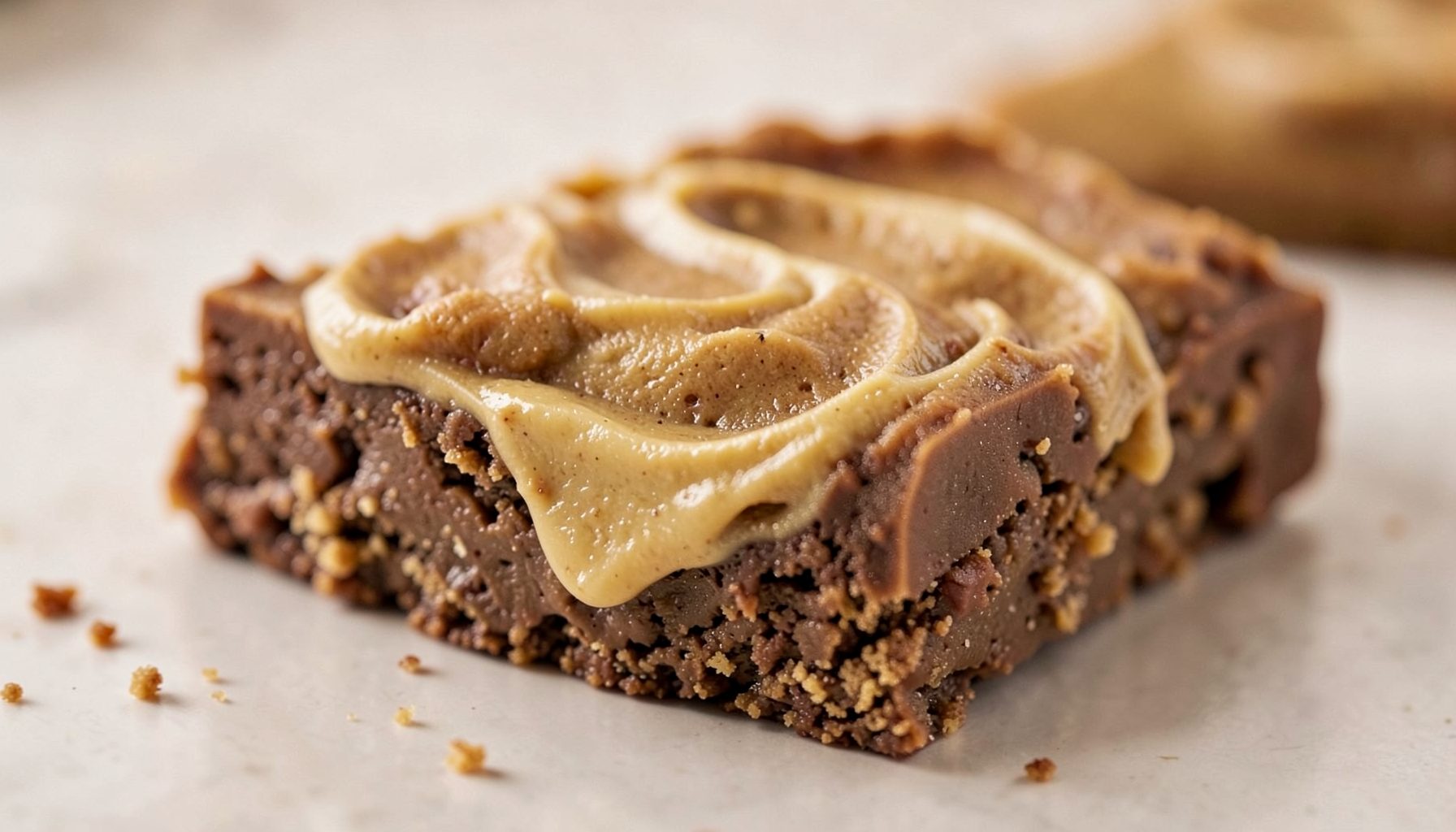
Cookie Butter
Rich, buttery cookie flavor in every bite. Offered in 1-pack and 10-pack options.
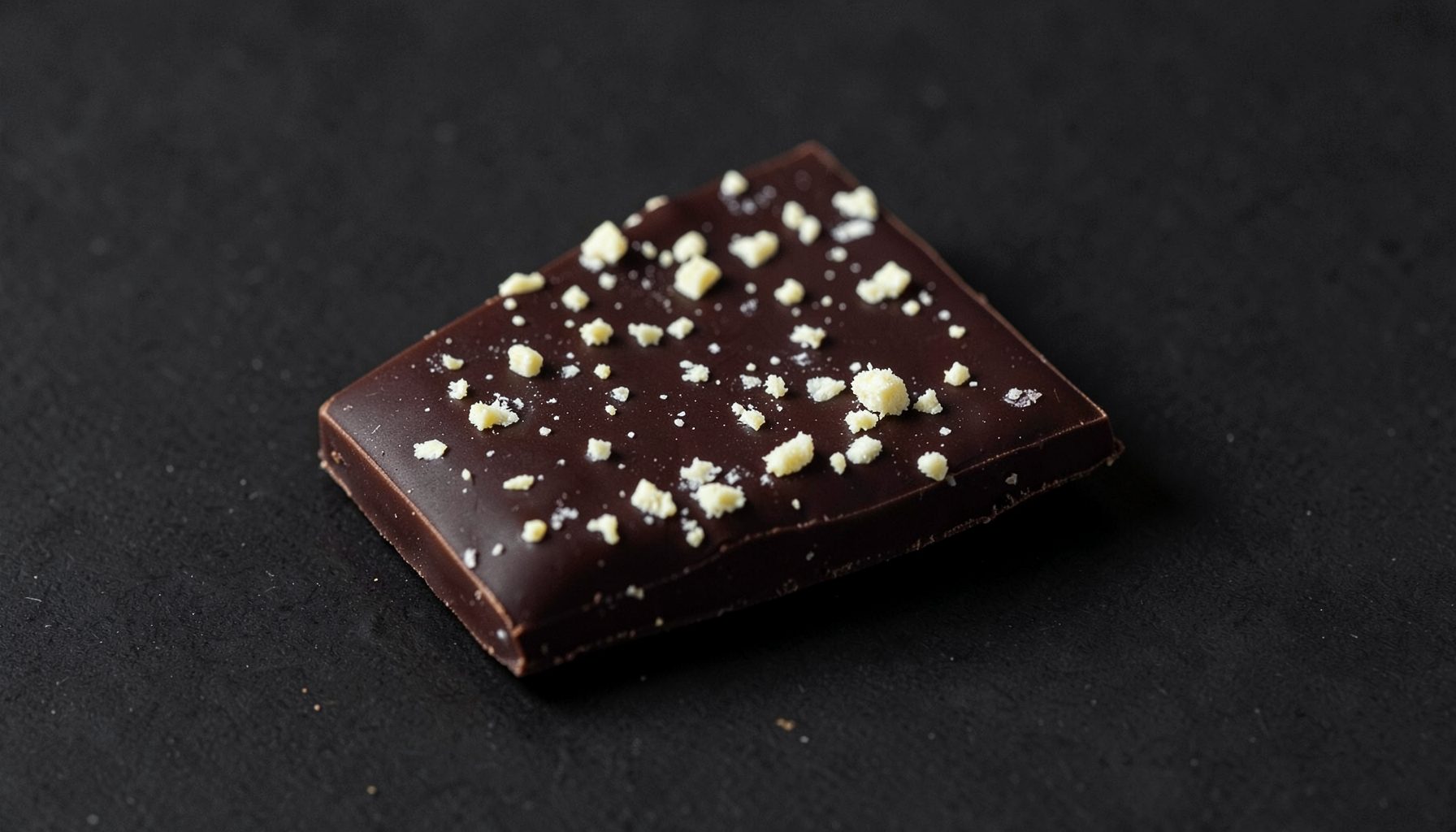
Cookies & Cream
Classic cookies-and-cream taste with a mushroom chocolate twist. 1-pack and 10-pack.
The History of Psilocybin Mushrooms in Traditional Medicine
Psilocybin mushrooms have a long, complex history that reaches far beyond modern wellness trends. Across parts of Mesoamerica, Indigenous communities incorporated psychoactive fungi into ceremonial life, healing practices, divination, and relationships with the spiritual world. These traditions were shaped by local languages, community rules, and experienced guides rather than by the commercial packaging familiar today.
Modern interest in psychedelic mushrooms often focuses on personal experience, measured servings, and product transparency. That creates an opportunity to revisit the past carefully. Traditional mushroom use was never simply about consuming an intoxicating substance; it was connected to ritual preparation, cultural identity, sacred responsibility, and inherited knowledge.
For consumers exploring mushroom edibles today, historical context can help distinguish traditional psilocybin practices from contemporary commercial products. The brand’s story may describe a modern approach to flavor, formulation, and quality, but it should not be confused with the cultural traditions that gave psychedelic mushrooms their historical significance.
Early Evidence In Mesoamerican Culture
Archaeological evidence suggests that psychoactive mushrooms held an important place in some ancient Mesoamerican societies. Stone carvings commonly called “mushroom stones,” found particularly in Guatemala and nearby regions, have been interpreted by some researchers as evidence of ritual mushroom use. Their exact meaning remains debated, yet they show that fungi could carry symbolic importance in pre-Columbian communities.
Written records from the Spanish colonial period provide additional clues. Sixteenth-century accounts describe Indigenous ceremonies involving sacred plants and fungi, although these sources were produced through colonial and Christian perspectives. Their descriptions must therefore be read critically, since missionaries often portrayed unfamiliar religious practices as dangerous or heretical.
The Nahuatl term teonanácatl, often translated as “flesh of the gods,” is associated with sacred mushrooms in historical accounts. Whether the term referred to one specific species or a broader category is still discussed by scholars. What is clearer is that some communities regarded these fungi as spiritually powerful rather than as ordinary recreational intoxicants.
Healing, Divination, And Ceremony
Traditional medicine is a broad term, and mushroom ceremonies did not follow one universal model. In some communities, an experienced healer or spiritual specialist guided the event. The ceremony could involve prayer, chanting, fasting, darkness, careful timing, and a setting designed to support visions or communication with the sacred.
Reported purposes included diagnosing spiritual or physical problems, seeking guidance, mourning, and restoring balance. The experience was interpreted within a cultural framework that gave meaning to images, emotions, bodily sensations, and memories. This differs substantially from the modern idea of taking a standardized edible for an individual wellness goal.
The healing role of psilocybin mushrooms was therefore inseparable from community knowledge. Preparation and interpretation mattered as much as the fungus itself. A person’s expectations, relationships, beliefs, and environment helped shape the meaning of the experience, an idea that remains relevant in current discussions of psychedelic set and setting.
Colonial Suppression And Cultural Survival
When Spanish authorities encountered Indigenous mushroom ceremonies, they frequently condemned them as idolatry or witchcraft. Religious suppression pushed many practices underground and disrupted the open transmission of knowledge. Colonial records consequently provide only a partial view of how sacred fungi were used.
Even under pressure, Indigenous communities preserved elements of their ceremonial traditions. In the twentieth century, researchers and journalists brought international attention to Mazatec mushroom practices in southern Mexico. María Sabina, a Mazatec healer, became widely known after foreign visitors publicized her ceremonies, but the attention also brought unwanted tourism, exploitation, and government scrutiny.
This history raises an important ethical issue for today’s mushroom culture. Interest in psilocybin can acknowledge Indigenous knowledge without treating living traditions as a novelty or a resource to be extracted. Respect includes recognizing community ownership, avoiding romanticized claims, and understanding that a modern chocolate bar is not equivalent to a sacred healing ceremony.
From Prohibition To Scientific Research
During the mid-twentieth century, scientists began studying psilocybin and related compounds in controlled settings. Early research investigated perception, personality, creativity, and psychotherapy. The spread of recreational use and the political climate of the 1960s then contributed to strict prohibition in many countries, sharply limiting clinical research for decades.
Scientific work has expanded again in recent years. Researchers are examining psilocybin-assisted therapy for conditions such as depression, anxiety associated with serious illness, and substance use disorders. Results are promising in some carefully supervised trials, but they do not mean that unsupervised use is automatically safe or medically effective.
| Historical setting | Primary role | Key source of guidance | Modern distinction |
|---|---|---|---|
| Indigenous Mesoamerican ceremony | Healing, divination, spiritual connection | Community tradition and a trained healer | Cultural practice cannot be reduced to a product format |
| Early scientific research | Studying perception and psychology | Laboratory protocols | Findings depend on controlled conditions |
| Contemporary clinical trials | Investigating therapeutic potential | Medical screening and professional supervision | Research results do not equal general medical approval |
| Commercial mushroom edibles | Consumer experience and convenience | Packaging, dosage information, and legal standards | Ingredients may differ and effects can be difficult to predict |
The renewed scientific interest also makes accurate language essential. “Mushroom edible” may describe a product containing functional mushrooms, botanical ingredients, hemp-derived compounds, or, in some jurisdictions, psilocybin. Buyers should identify the actual active ingredients rather than assuming that every mushroom-branded product contains psilocybin.
Reading Modern Product Claims
Contemporary brands often emphasize flavor variety, serving sizes, ingredient sourcing, and laboratory testing. Those details can help consumers make more informed decisions, but they do not transform a commercial item into traditional medicine. Historical use and modern product marketing belong to different contexts with different standards of evidence.
A third-party certificate may provide information about potency, contaminants, or the substances detected in a tested sample. The lab report guide can help explain why consumers should read testing documents carefully rather than relying on broad phrases such as “natural,” “clean,” or “wellness focused.”
Labels should also be checked for serving size, total active content, allergens, and warnings. Products can vary between batches, and an attractive flavor profile does not predict how an individual will respond. Local laws are equally important because the legal status of psilocybin, mushroom extracts, and infused foods differs widely.
Principles For Informed And Respectful Use
Historical awareness should encourage humility. Psilocybin can produce intense changes in perception, mood, time awareness, and thought patterns. It may also worsen distress for people with certain mental health histories or interact with medications and other substances. Anyone considering use should consult an appropriately qualified healthcare professional, especially when managing a medical condition.
People who choose to explore legal mushroom products can also reduce avoidable risks by taking a measured, cautious approach:
- Verify the ingredients, active compounds, serving size, and legal status before purchasing or consuming.
- Avoid combining psychoactive products with alcohol, recreational drugs, or medications without professional guidance.
- Choose a familiar, calm setting and have a trusted sober person available when appropriate.
- Do not drive, swim, operate machinery, or make important decisions while experiencing effects.
- Use first-time guidance to review practical considerations before trying an unfamiliar edible.
The past also offers a broader lesson: healing traditions are built on relationships, responsibility, and context. A carefully labeled product may support a more informed consumer decision, but it cannot reproduce the cultural knowledge, ceremony, or communal meaning associated with Indigenous mushroom practices.
Learning the history of sacred fungi is a meaningful starting point for approaching modern mushroom products with respect and caution. Explore ingredient information, review available testing documents, follow local regulations, and treat personal safety as more important than novelty or intensity.
Send Us a Message
Get in Touch
Have questions about our products or your order? Reach out and we'll get back to you.
- California, USA
- Contact Page