
California • Est. 2019
Premium mushroom chocolate bars, gummies, and cones crafted in California. Bold flavors, uncompromising quality, and a brand built from the ground up.
Explore the CollectionOur Collection
Shruumz Chocolates & Gummies
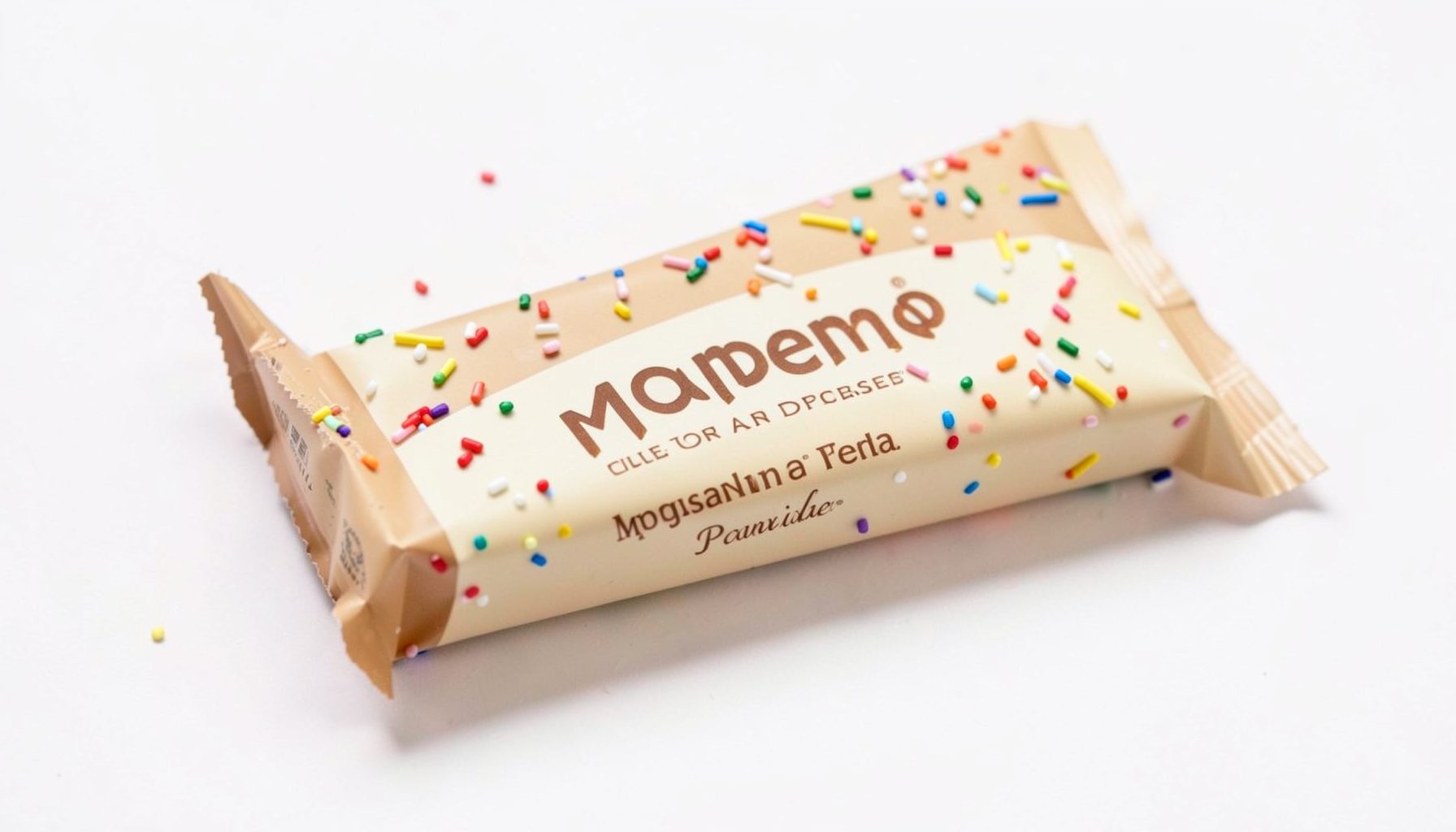
Birthday Cake
Celebratory flavor with a sweet, cake-inspired profile. Available in 1-pack and 10-pack.
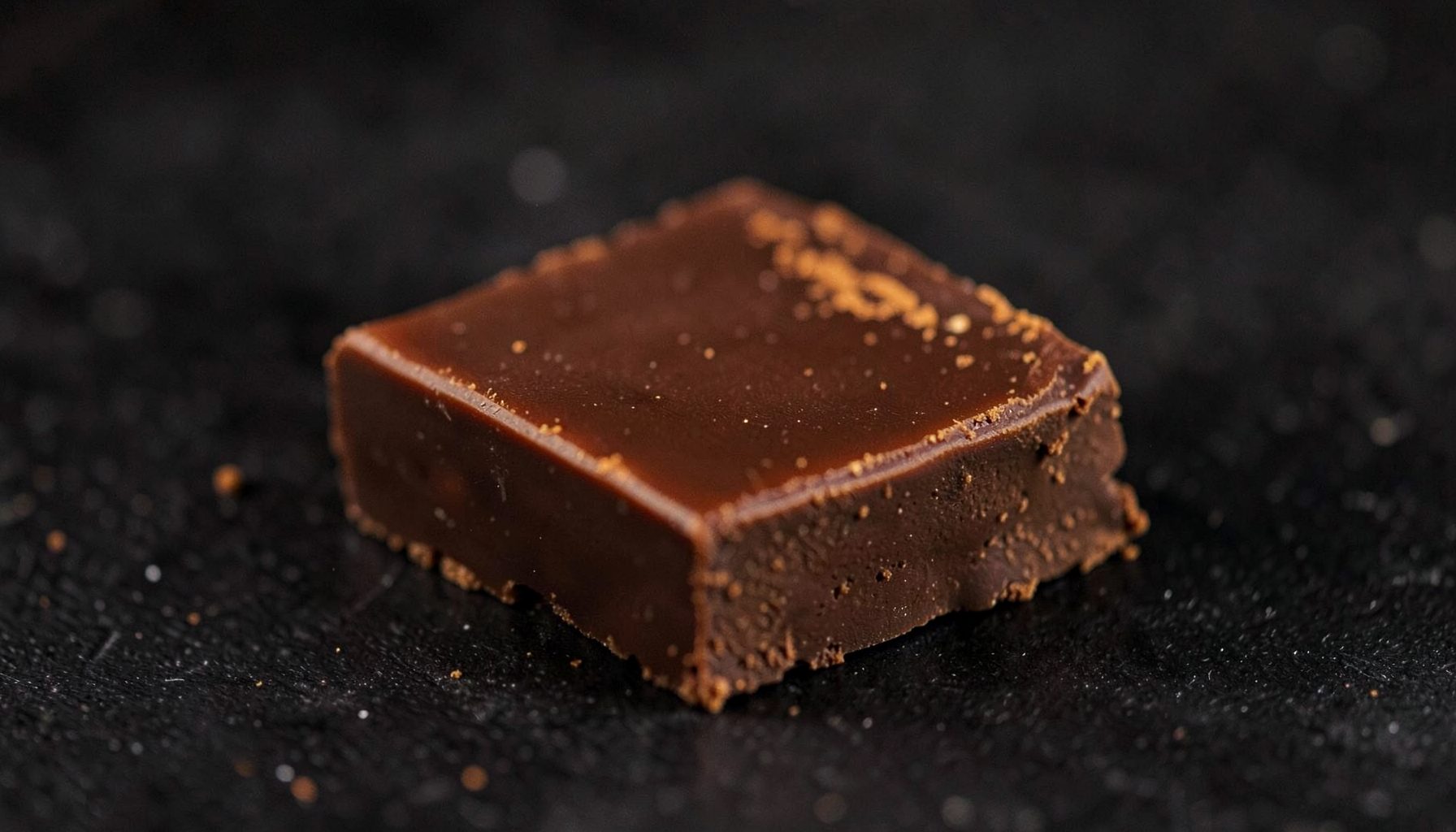
Cinnamon
Warm spiced chocolate with a smooth finish. Single bars and bulk packs available.
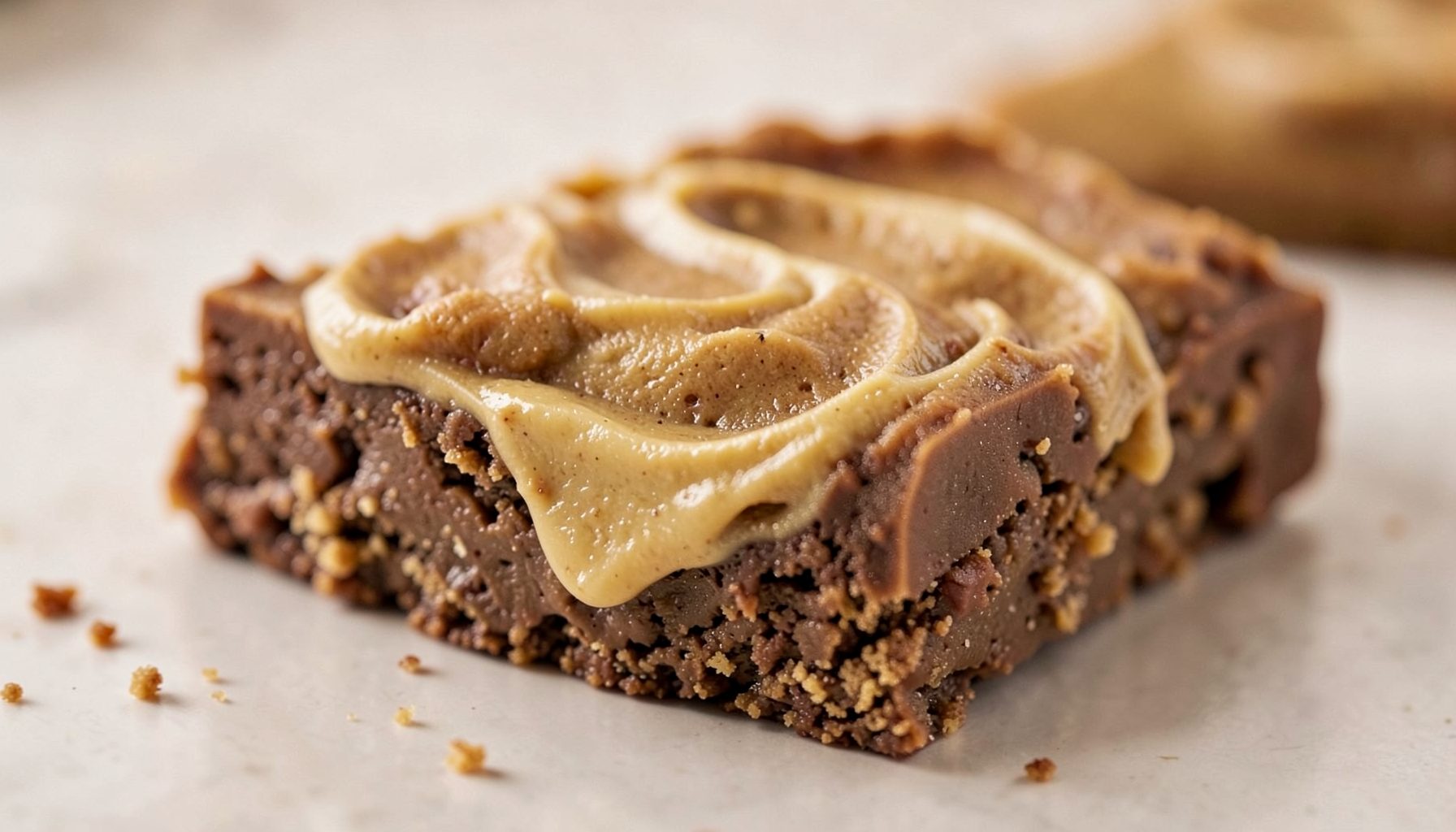
Cookie Butter
Rich, buttery cookie flavor in every bite. Offered in 1-pack and 10-pack options.
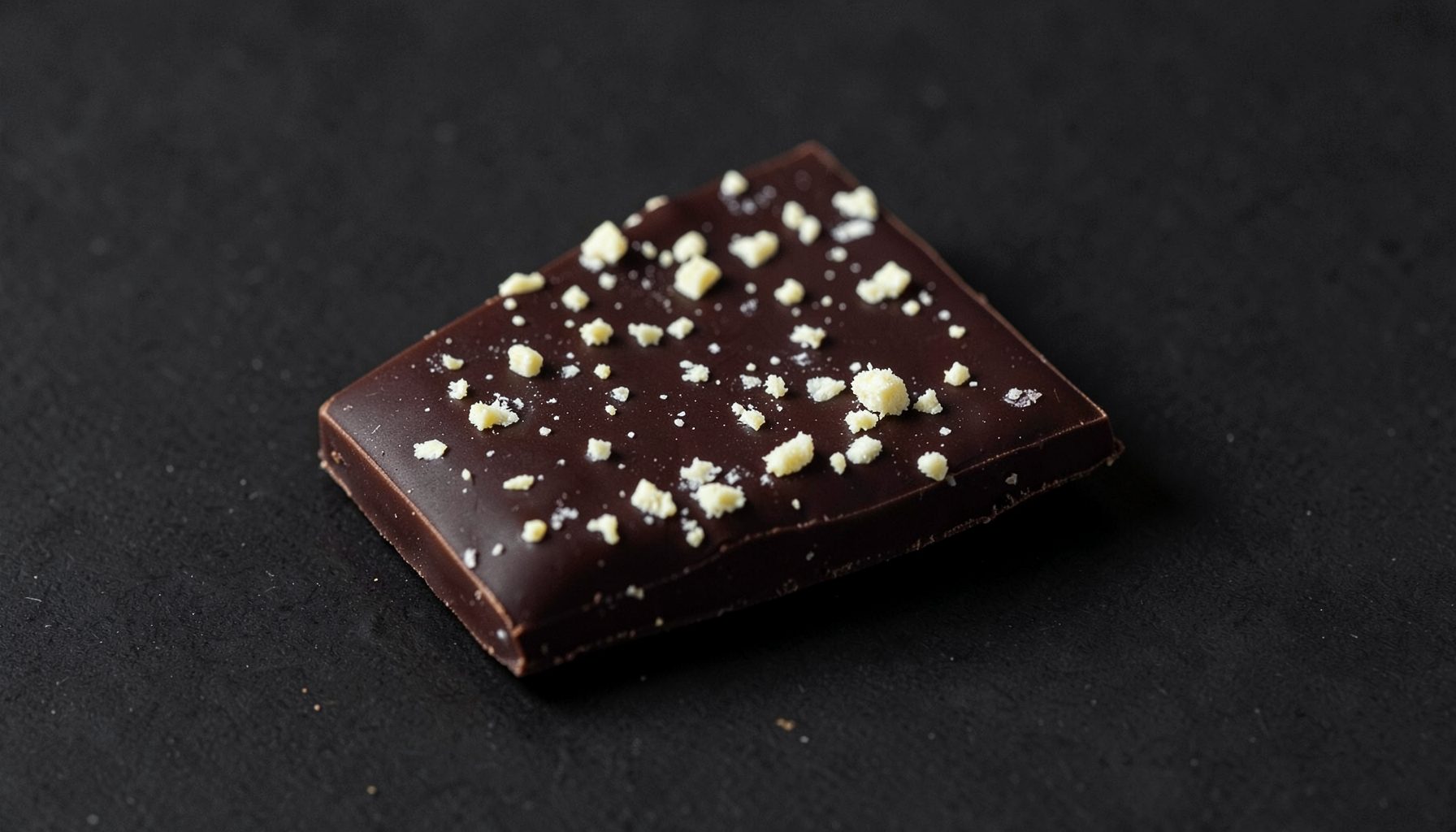
Cookies & Cream
Classic cookies-and-cream taste with a mushroom chocolate twist. 1-pack and 10-pack.
Our sugar-free and regular gummy lines: what changes?
Diamond Shruumz offers mushroom-infused chocolate bars, gummies and cones in more than 20 flavours, and its Diamond Shruumz gummies collection brings the two sweetening choices together. For many shoppers, the key difference seems simple: one is sugar-free, while the other is made with the more familiar combination of sugar and syrup. In practice, the change extends to texture, mouthfeel, aftertaste and sometimes the way a flavour is perceived.
Those differences do not automatically make one line more potent, healthier or more suitable for a particular diet. Active compounds, amount per gummy, serving guidance and legal status remain separate questions. Australian buyers also need to distinguish an overseas product from food lawfully sold under local labelling rules, especially where hemp, cannabis-derived ingredients or wellness claims are involved.
What changes in the formulation
A regular gummy normally gets its sweetness and much of its structure from cane sugar, glucose syrup or another added sugar. These ingredients do more than provide flavour: dissolved sugar helps create a soft, springy chew and a rounded finish. That familiar mouthfeel is one reason people gravitate toward a regular gummy when they want a classic confection.
A sugar-free version replaces those sugars with sweeteners such as stevia, sucralose or sugar alcohols like erythritol, although the exact blend depends on the formula. Polyols often give a light, slightly cooling effect, while high-intensity sweeteners can leave a distinct aftertaste. They can also affect bulk and moisture retention, so a sugar-free gummy may feel less soft or look different from its regular counterpart.
The active formulation still needs to be checked separately. Compound identity is as important as sweetener identity: a page about trenbolone psychological effects, for instance, concerns an androgenic steroid whose risks and management cannot be transferred to mushroom, hemp or cannabis products. The useful principle is to compare like with like and rely on the actual ingredient list, dose and batch documentation rather than broad labels such as “functional”.
How sweetness changes texture and flavour
Sugar-free does not automatically mean lower calorie, either. Removing sugar can reduce energy when sugar is the main caloric ingredient, but other ingredients still contribute, and a small serving may still contain several hundred kilojoules. The useful comparison is the Australian nutrition panel: total sugars, added sugars, energy and serving size all need to be read together. “No added sugar” is also not the same statement as “sugar-free,” because a food can contain naturally occurring sugar.
Flavour perception can change even when the cannabis or mushroom ingredients stay the same. Sweeteners influence how volatile aromas register, and a reduced-sugar matrix may make certain botanical notes more obvious while muting deeper chocolate or caramel flavours. Customers who prefer a bold, lingering sweetness may find regular gummies more satisfying, while those seeking a less sugary finish may appreciate the cleaner edge of the alternative.
Aroma is not the same as active-dose strength. The guide to terpenes in chocolate explains how aromatic compounds contribute scent and perceived flavour without making them a measure of potency. This distinction matters when tasting across flavours: a more fragrant gummy may reflect its aromatic profile rather than a higher concentration of mushrooms or cannabinoids.
Reading labels through an Australian lens
Australian food labelling gives “sugar-free” a defined meaning under the Food Standards Code. In general, the food must contain no sugar or, where artificial sweeteners are used, no more than 0.1 g per 100 g or 100 mL. That is a different threshold from the US definition commonly used on imported confectionery, so a package marked “sugar-free” in California may not meet the Australian claim when measured by the local standard.
The Nutrition Information Panel provides total sugar and added-sugar information, while the ingredient list explains where they come from. Polyols also require close attention because large amounts can cause digestive discomfort; Australian labels commonly carry a laxative-effect warning when the relevant threshold is exceeded. For shoppers in Sydney and Melbourne, this is a familiar comparison because no-sugar jellies and sugar-free confectionery are already common in supermarkets, pharmacies and specialist wellness shops.
Online marketplaces add another layer: an imported gummy may use a US nutrition panel, a larger “serving” definition and sweetener terminology that differs from what an Australian label usually shows. A bag bought for a weekend trip to Byron Bay may therefore look lower in sugar on the front without matching the Australian per-100 g threshold. Checking the small print prevents an imported package from being mistaken for an Australian-compliant product.
Serving size, timing and everyday use
Sweetness also affects how a gummy is portioned and consumed. Rounded candy shapes, fruit flavours and a sweet reward can make it easy to eat several pieces without noticing, particularly when a product is packaged as a sharing bag. Counting the stated active amount per piece is more informative than judging by taste, and the number of pieces in the pack matters as much as the individual dose.
Gummies are swallowed whole and can take longer than a drink or inhaled product to produce noticeable effects. Food may also delay onset, which can encourage a person to take more before the first effects appear. A sugar-free label does not change those timing rules or make a larger dose safer. Any product with intoxicating effects should be kept away from driving, work equipment and anyone who has not deliberately chosen to use it.
Our weekend routine guide offers one way to think about fitting a gummy into leisure time, whether that is a Friday-night film at home in Melbourne or a longer social outing. Australian drug-driving rules are strict, and residual impairment can matter well beyond the visible part of a night. Keeping products sealed, labelled and inaccessible to children also matters because brightly coloured confectionery is easy for little hands to mistake for ordinary sweets.
Quality, legality and the key distinction
Quality claims are easiest to judge when they are tied to a specific batch. Look for named ingredient sources, transparent potency information, manufacturing dates and testing by an appropriate laboratory. A brand award or customer story can support confidence, but neither establishes purity or proves that every product in a range contains the same amount. Independent batch documentation is the stronger evidence.
Reviews can add context without replacing laboratory evidence. A home security camera review is valuable because it discusses the camera actually tested; by the same logic, a glowing review of another gummy says nothing about this product’s dose, contaminants or legal status. Product-specific feedback is useful, while general praise is not proof of quality.
Legal status is an Australian issue that a California retail website cannot resolve for an overseas buyer. Hemp or cannabis-derived ingredients may engage federal rules administered by the TGA, the Customs Act and state or territory drug laws; medicinal or therapeutic claims can also trigger therapeutic-goods regulation. Food sold in Australia must meet FSANZ requirements, and the fact that a product is legal to sell in the United States does not make it lawful to import or possess here.
The distinction that should remain is this: sugar-free describes the sweetener system and its nutritional presentation, while potency, aroma and legality come from separate facts. Regular gummies usually offer the classic soft, fully sweet chew; sugar-free gummies trade some of that familiar sweetness and bulk for alternative sweeteners. The memorable point is to judge each product by its complete current label rather than by the word “sugar-free” alone.

Send Us a Message
Get in Touch
Have questions about our products or your order? Reach out and we'll get back to you.
- California, USA
- Contact Page