
California • Est. 2019
Premium mushroom chocolate bars, gummies, and cones crafted in California. Bold flavors, uncompromising quality, and a brand built from the ground up.
Explore the CollectionOur Collection
Shruumz Chocolates & Gummies
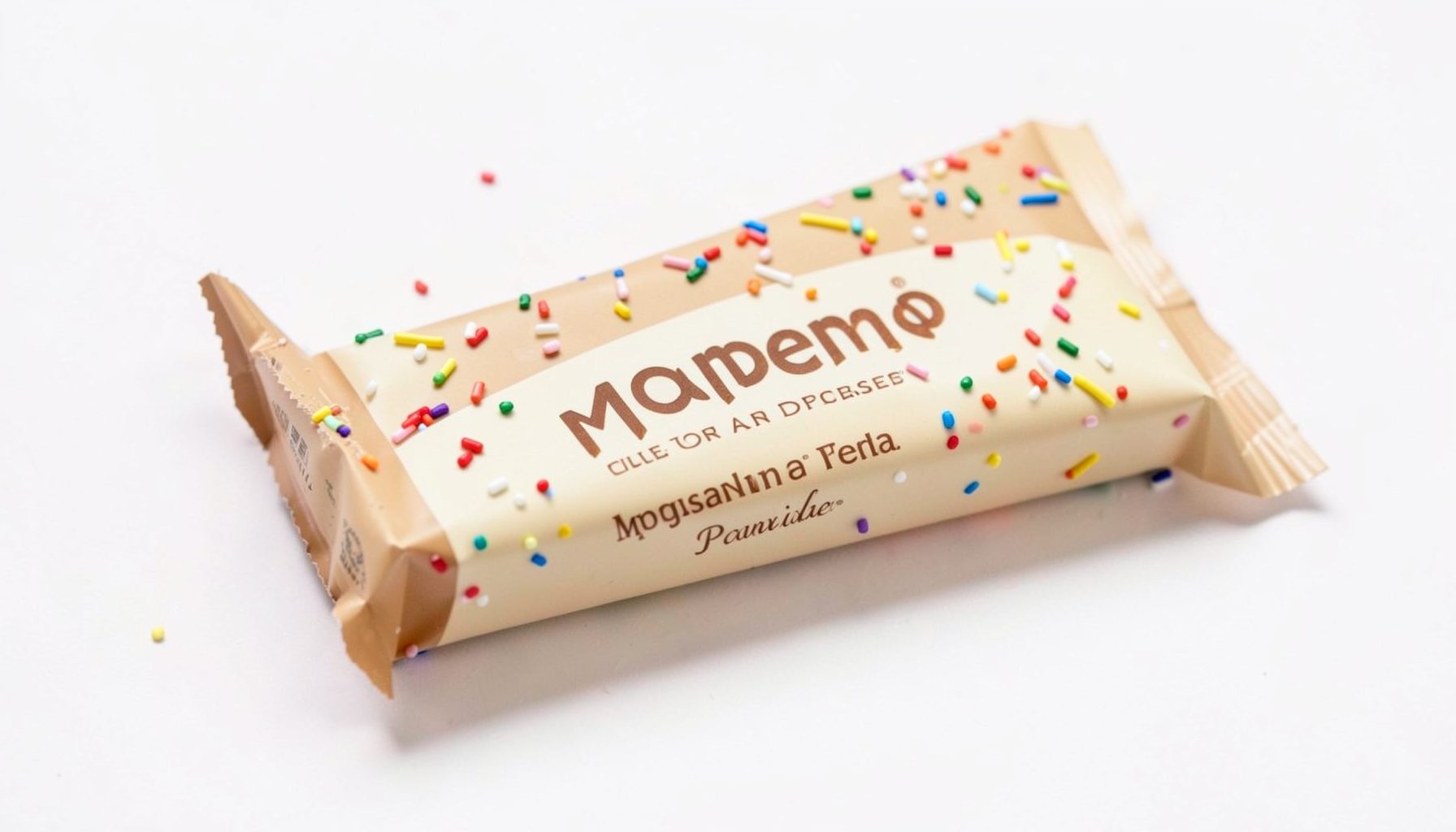
Birthday Cake
Celebratory flavor with a sweet, cake-inspired profile. Available in 1-pack and 10-pack.
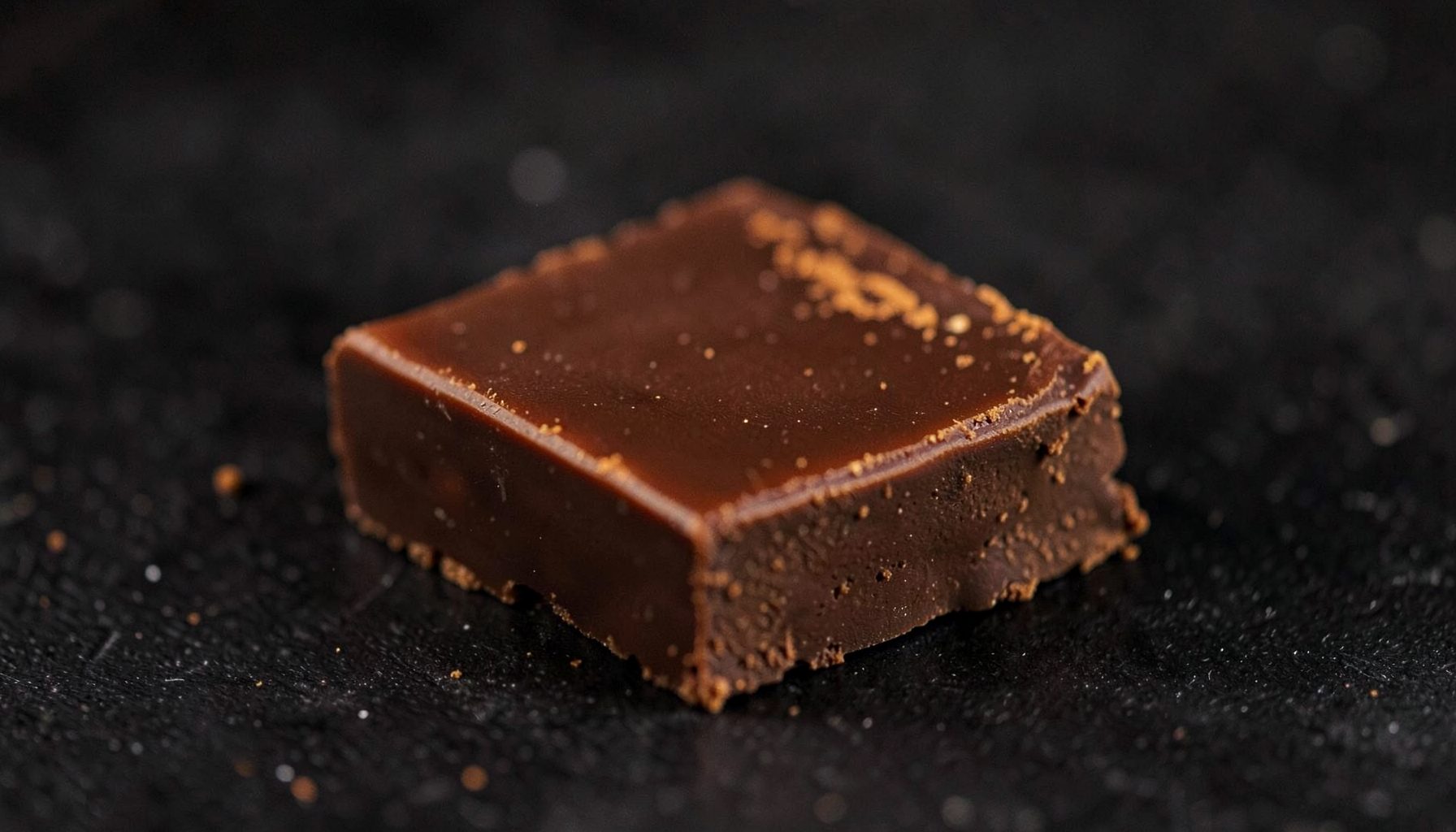
Cinnamon
Warm spiced chocolate with a smooth finish. Single bars and bulk packs available.
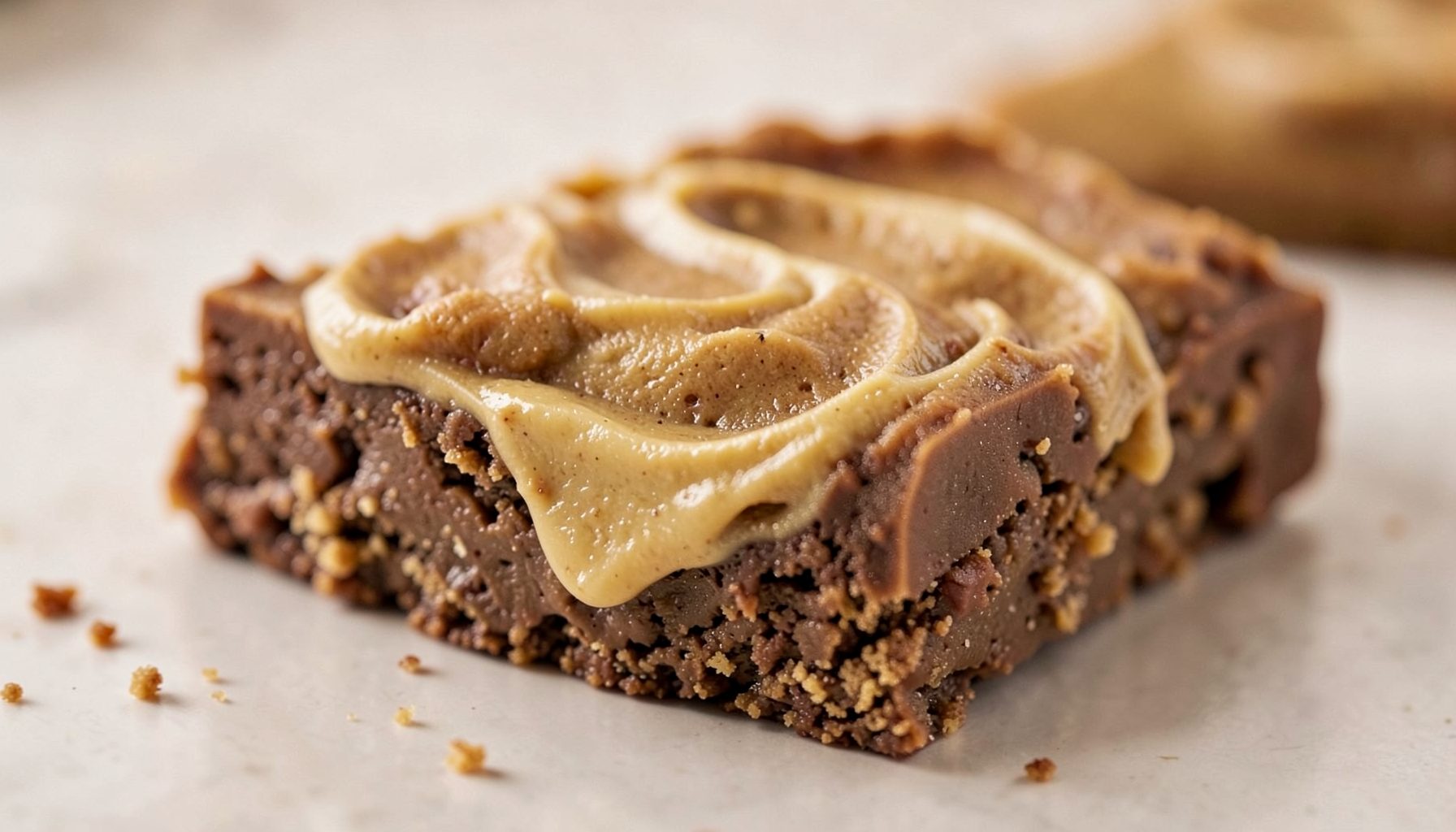
Cookie Butter
Rich, buttery cookie flavor in every bite. Offered in 1-pack and 10-pack options.
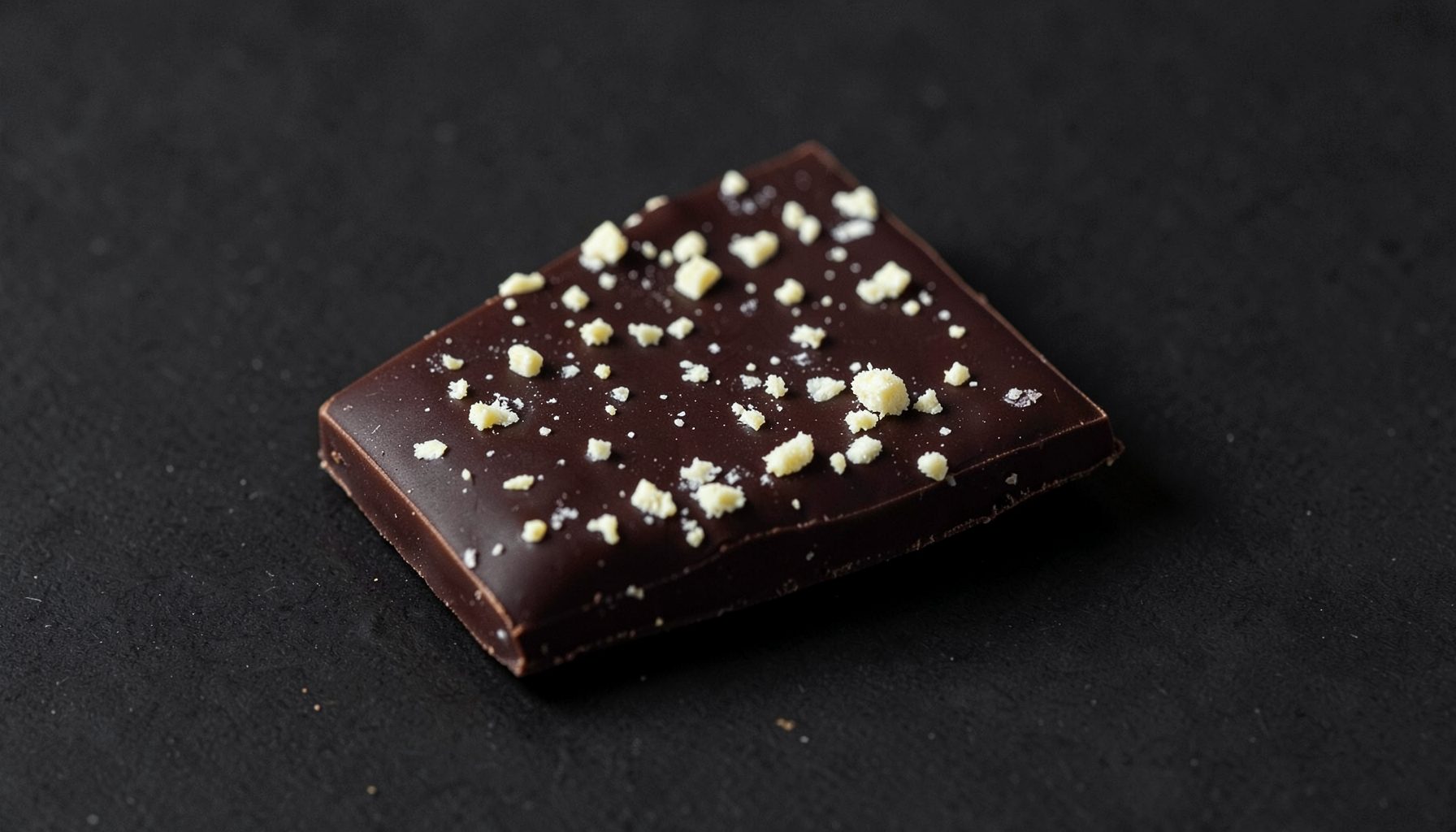
Cookies & Cream
Classic cookies-and-cream taste with a mushroom chocolate twist. 1-pack and 10-pack.
Why Blue Raspberry Works In A Mushroom Gummy
Blue raspberry has earned a distinctive place in the world of candy and fruit-flavored snacks. Its appeal comes from a vivid combination of sweet berry aroma, bright acidity, and a memorable blue color cue. In a gummy, those elements work together to create an energetic flavor impression before the first bite is finished.
For Diamond Shruumz, developing this profile means balancing flavor intensity with the earthy notes that can occur in mushroom-based formulations. A successful gummy should taste enjoyable and recognizable while still reflecting careful attention to ingredients, texture, and serving information.
The flavor science behind our blue raspberry gummy begins with sensory design rather than color alone. Aroma, sweetness, tartness, chew, and aftertaste all influence how people experience the product. When these features are aligned, the result is a more rounded and consistent bite.
What Blue Raspberry Actually Tastes Like
Blue raspberry is a confectionery flavor profile rather than a single, universally defined fruit. It usually combines recognizable raspberry-like notes with a sharper, candy-style acidity. The result is fruit-forward, tangy, and slightly playful, with enough intensity to remain noticeable through a chewy format.
Raspberry-inspired flavor typically relies on aromatic compounds that suggest ripe berry character. These aromas may include jammy, floral, green, or lightly citrus-like impressions. A blue raspberry formulation brings those impressions into a more vivid candy direction, often emphasizing brightness over the softer sweetness associated with a traditional red berry.
The name also creates expectations before tasting begins. Consumers commonly associate blue with coolness, freshness, and a bold sour-sweet experience. That visual and verbal cue can influence perceived flavor, which is why color and taste need to support the same sensory message.
Balancing Sweetness, Tartness, And Aroma
Sweetness gives a gummy its approachable foundation, but excessive sweetness can flatten the berry character. Tartness provides contrast and helps the flavor feel lively. The goal is a measured relationship in which acidity sharpens the fruit impression without overwhelming the palate.
Aroma plays a particularly important role because much of what people call “flavor” is experienced through the nose. As a gummy is chewed, volatile aromatic compounds reach the olfactory system and reinforce the impression of berry fruit. This is why a well-designed flavor can seem fuller than its basic sweet-and-sour ingredients might suggest.
Texture changes that experience as well. A soft, elastic chew releases flavor gradually, while a firmer gummy may create a slower, more deliberate progression. For a mushroom gummy, the chew also helps integrate the flavor profile, giving the berry notes time to soften or balance the formulation’s underlying earthy character.
Why Mushroom Formulations Need Extra Flavor Care
Mushroom ingredients can contribute savory, woody, bitter, or earthy notes depending on the species, material, and processing method. These characteristics are part of the ingredient identity, but they can compete with delicate fruit flavors. A strong berry profile helps create sensory balance without requiring the flavor to become harsh or excessively sweet.
The role of the mushroom ingredient should be considered separately from its taste. People interested in these products may want to understand the difference between culinary mushrooms, functional mushroom ingredients, and other mushroom-derived materials. Our guide to functional mushroom basics provides broader context for that distinction.
Ingredient transparency also supports better expectations. Flavor design cannot replace clear labeling, and a colorful gummy should not imply a particular effect or benefit by appearance alone. Consumers should review the package for ingredients, serving guidance, allergen information, and any applicable warnings before choosing a product.
| Sensory element | Role in the flavor experience | What it contributes |
|---|---|---|
| Berry aroma | Establishes the fruit impression before and during chewing | Raspberry-like, bright, and slightly floral notes |
| Sweetness | Provides approachability and rounds sharp edges | A familiar candy foundation |
| Tartness | Adds contrast and energy | A crisp, sour-leaning finish |
| Blue color | Sets visual expectations | A bold, cool-toned flavor cue |
| Chewiness | Controls flavor release | A gradual, sustained tasting experience |
| Earthy undertones | Reflects the mushroom formulation | Depth that the berry profile must balance |
The Role Of Color In Flavor Perception
Color can shape how people predict a flavor before tasting it. A blue gummy is often expected to taste cool, tart, and fruit-forward, even though color itself has no flavor. When the visual cue matches the aroma and taste, the product feels more coherent and recognizable.
This is part of a larger sensory process called cross-modal perception, in which information from one sense influences another. The bright appearance of a blue raspberry gummy can make its acidity seem more pronounced or its fruit character more vivid. Packaging, shape, and serving size can contribute to the same expectation.
For that reason, color should be considered alongside ingredient and formulation choices. A product may use a bold visual identity while still requiring accurate labeling about flavor components and color sources. The most trustworthy experience is one in which the appearance attracts attention and the ingredient information explains what is inside.
How Extraction Can Affect The Finished Taste
Processing methods can influence the character of mushroom-derived ingredients. Concentration, filtration, drying, and extraction may change how earthy or intense an ingredient tastes in the final blend. These changes matter because the flavor developer must work with the ingredient’s actual sensory profile rather than an idealized description.
Our overview of the mushroom extraction process explains why extraction is an important part of product development. Understanding that step helps clarify how a mushroom ingredient reaches a finished gummy and why different materials may require different flavor-balancing strategies.
A blue raspberry profile can provide a consistent top note while the mushroom component contributes depth beneath it. The objective is not to erase every earthy characteristic, but to create a pleasant relationship between fruit brightness and the formulation’s more grounded notes. This balance can make the gummy feel flavorful without becoming one-dimensional.
Building A More Consistent Gummy Experience
Consistency depends on more than a flavor recipe. Mixing, cooking, cooling, depositing, and storage can affect how evenly flavor and active ingredients are distributed. A reliable manufacturing process supports a similar taste and texture from one piece to the next.
Serving guidance is equally important. Because mushroom products can vary widely in composition and intended use, consumers should follow the product label and avoid assuming that a familiar candy flavor indicates a familiar level of intensity. Flavor enjoyment and responsible use are separate considerations.
Adaptogenic ingredients, when included in a formulation, also deserve careful explanation rather than broad promises. Our discussion of the adaptogen role explores how these ingredients are commonly discussed in product development. Clear language helps distinguish sensory qualities from statements about wellness or performance.
Ways To Appreciate The Flavor Profile
A few simple habits can make the tasting experience more informative and consistent:
- Read the ingredient panel and serving directions before opening the package.
- Notice the aroma first, then identify the balance between berry sweetness and tartness.
- Chew slowly enough to observe how the flavor develops and how the finish changes.
- Store the gummies as directed so heat, moisture, and time do not alter their texture.
- Keep mushroom-infused products away from children and anyone who should not consume them.
Blue raspberry succeeds because it combines clear sensory signals: a vivid appearance, recognizable berry aroma, sweet opening, and tart finish. In a mushroom gummy, that familiar profile also serves a practical purpose by giving the formulation a bright, fruit-forward center that can balance deeper earthy notes.
Explore the Diamond Shruumz collection to compare blue raspberry with other available flavors, pack sizes, and mushroom-based formats. Review each product’s information carefully, choose according to the label, and enjoy the flavor as part of a considered tasting experience.

Send Us a Message
Get in Touch
Have questions about our products or your order? Reach out and we'll get back to you.
- California, USA
- Contact Page