
California • Est. 2019
Premium mushroom chocolate bars, gummies, and cones crafted in California. Bold flavors, uncompromising quality, and a brand built from the ground up.
Explore the CollectionOur Collection
Shruumz Chocolates & Gummies
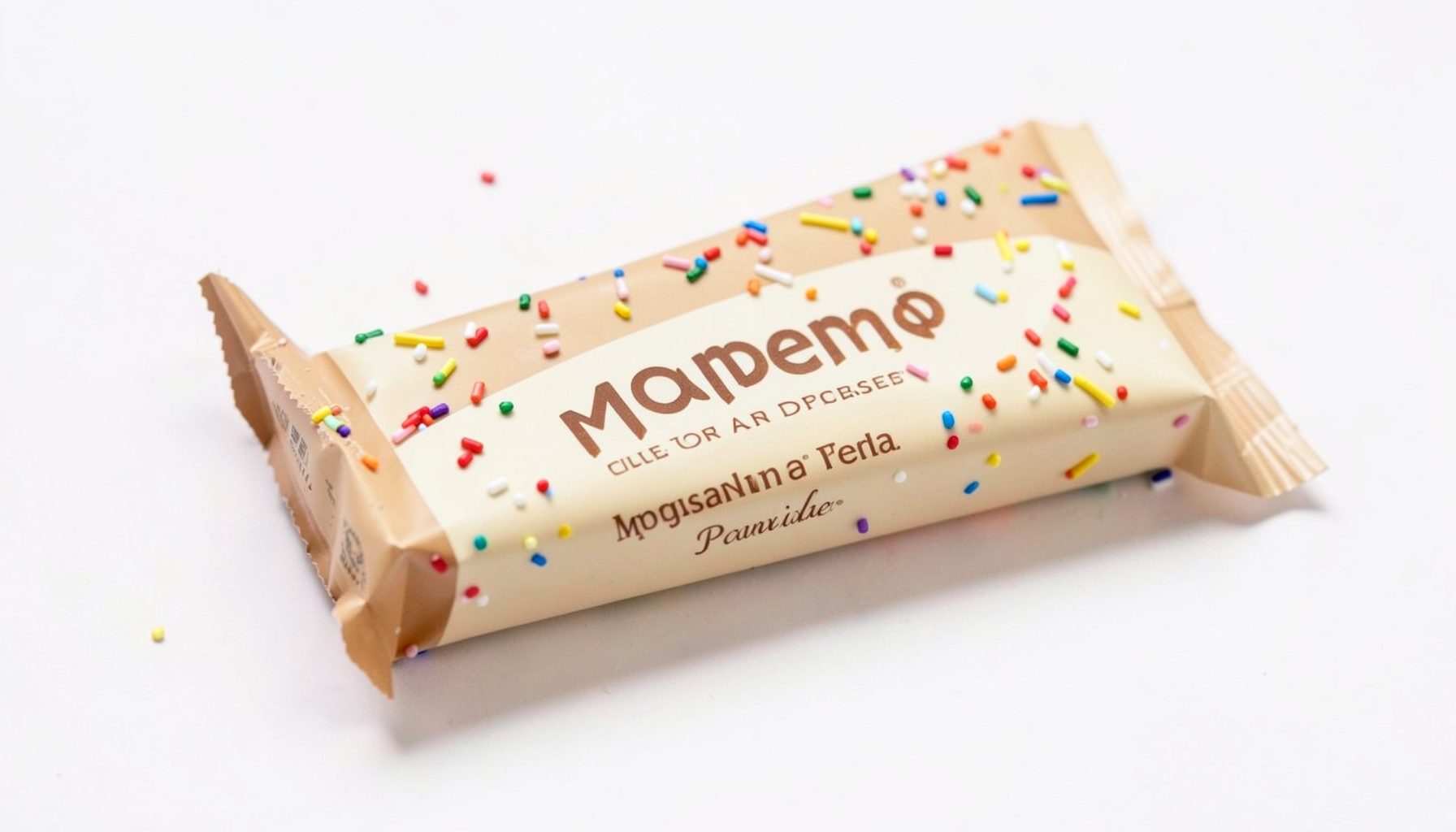
Birthday Cake
Celebratory flavor with a sweet, cake-inspired profile. Available in 1-pack and 10-pack.
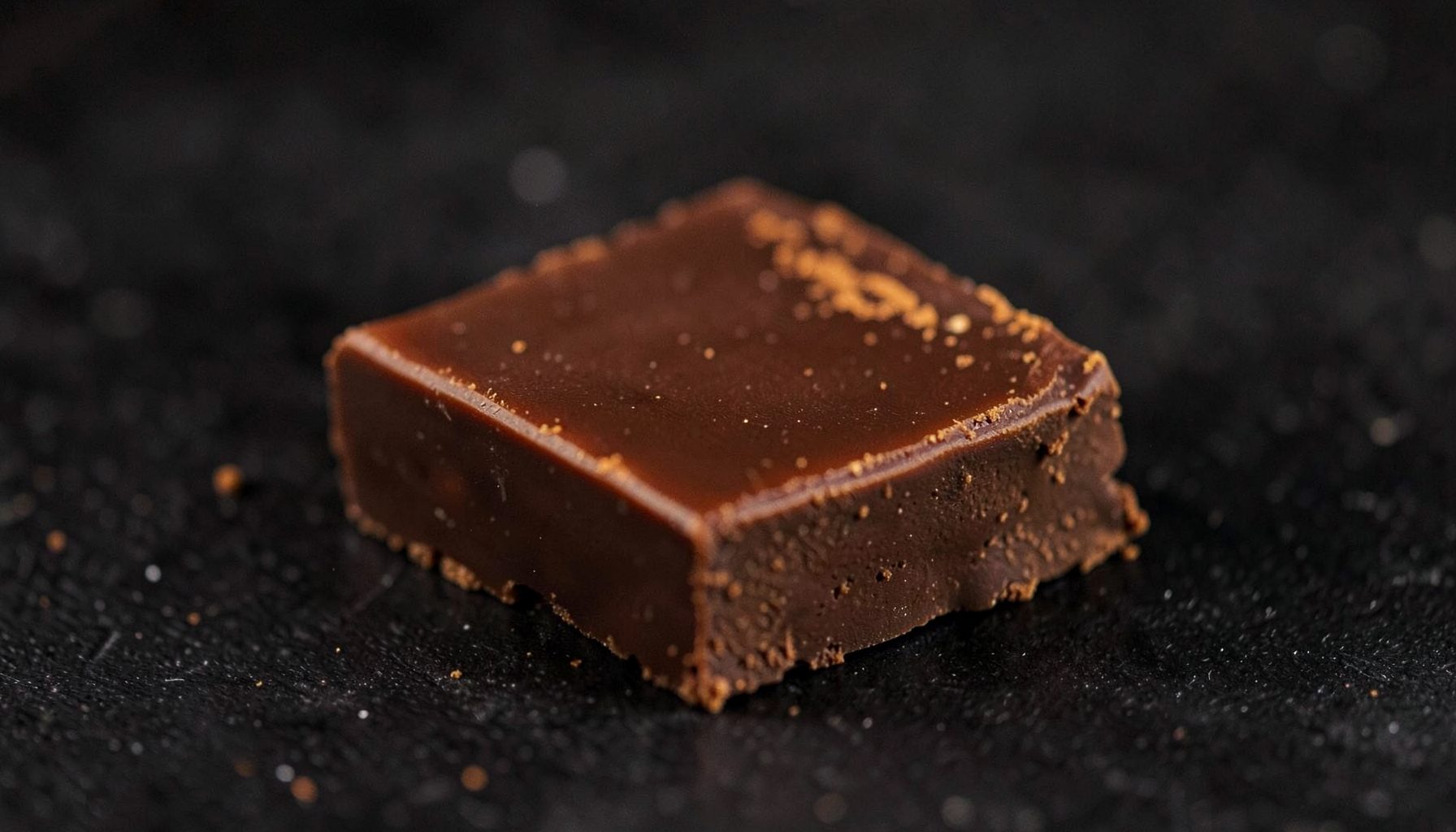
Cinnamon
Warm spiced chocolate with a smooth finish. Single bars and bulk packs available.
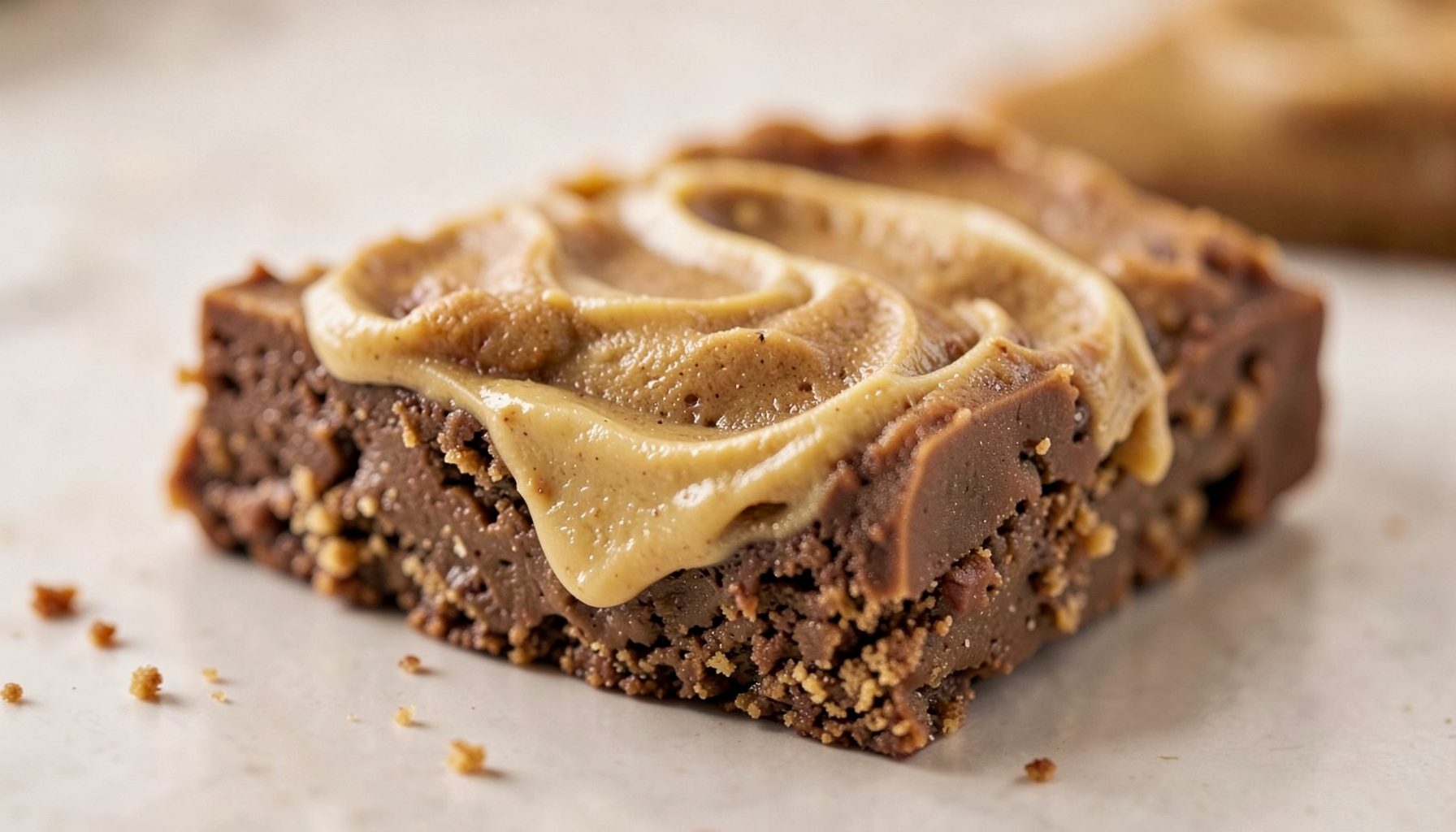
Cookie Butter
Rich, buttery cookie flavor in every bite. Offered in 1-pack and 10-pack options.
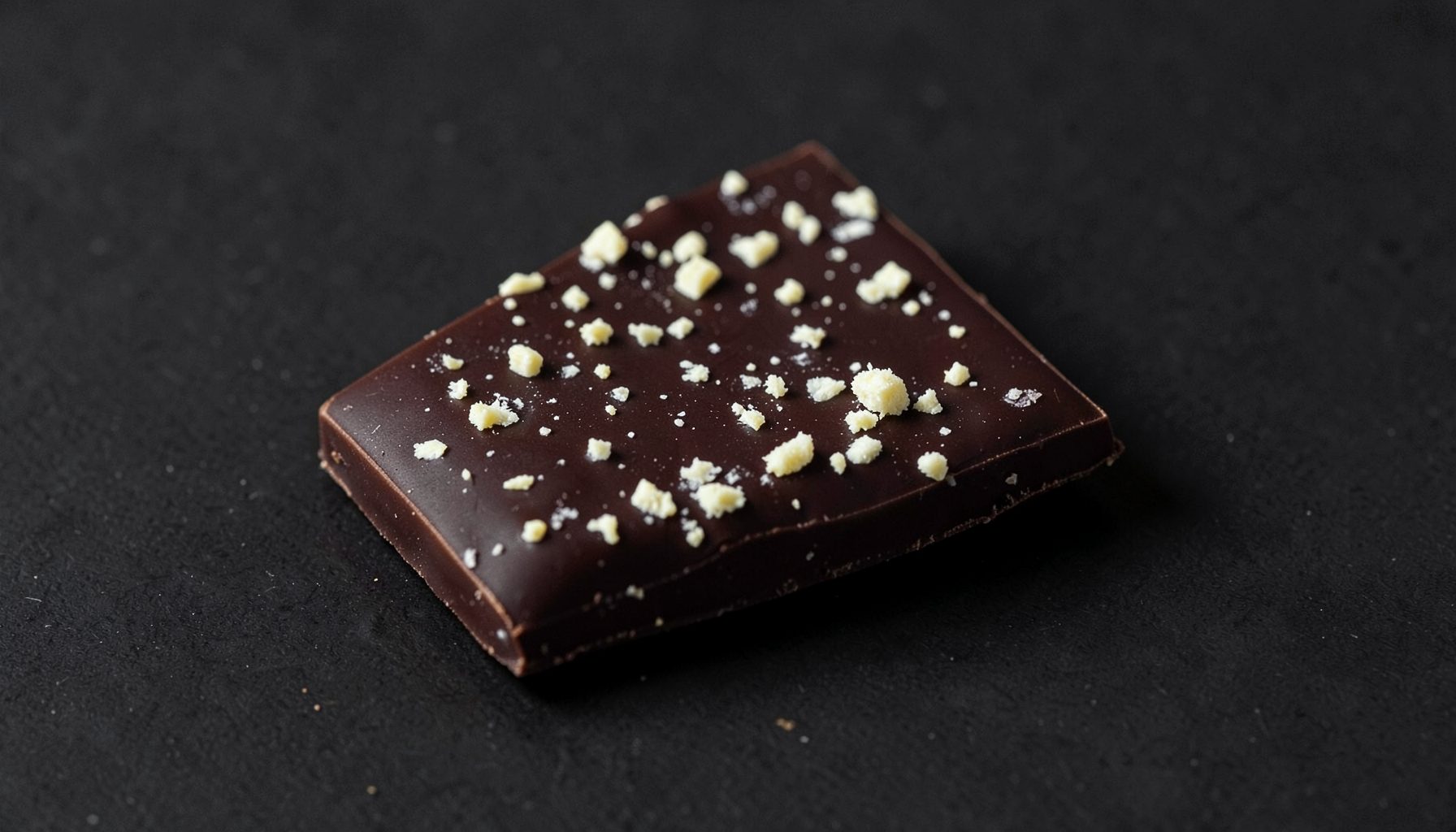
Cookies & Cream
Classic cookies-and-cream taste with a mushroom chocolate twist. 1-pack and 10-pack.
The History of Functional Mushrooms in Modern Wellness Culture
Mushrooms have moved from forest floors and traditional pharmacies into coffee blends, supplement shelves, skincare formulas and snack foods. This shift reflects growing interest in natural ingredients that may support energy, focus, immunity or stress management without fitting neatly into the category of conventional medicine.
The phrase “functional mushrooms” generally refers to species valued for compounds beyond basic nutrition. Reishi, lion’s mane, cordyceps, turkey tail and chaga are among the best-known examples. Their popularity has grown alongside adaptogens, nootropics and plant-based wellness, although the strength of scientific evidence differs considerably between species and uses.
For Australian consumers, mushroom products now appear in wellness shops, online marketplaces and cafés in Sydney, Melbourne, Brisbane and other cities. Mushroom-infused chocolate, gummies and drink powders make the category more approachable, yet product formats can obscure important differences in ingredients, dosage, extraction methods and legal status.
Traditional Roots Of Mushroom Use
The story begins long before modern wellness branding. Reishi, known as lingzhi in China, has been recorded in Chinese medicinal traditions for centuries. Shiitake has long been valued in East Asian food culture, while other mushrooms were prepared in broths, teas and tonics. These historical uses helped establish mushrooms as ingredients associated with vitality and longevity.
European folk practices also included medicinal fungi, including birch polypore and other shelf mushrooms. Ötzi the Iceman, discovered in the Alps with fungi among his possessions, is often cited in discussions of ancient mushroom use, although the exact purpose of those specimens remains uncertain. Such examples show that people have interacted with fungi as food, material and medicine across many cultures.
From Folk Medicine To Scientific Interest
Modern research began to examine mushrooms more systematically as mycology, nutrition science and pharmacology developed. Scientists became interested in beta-glucans, triterpenes, polysaccharides and other compounds found in fungal cell walls and fruiting bodies. Laboratory and animal studies suggested possible immune-modulating, antioxidant or anti-inflammatory activity.
These findings created a bridge between traditional knowledge and contemporary supplements. The bridge, however, is not proof that every extract delivers a specific health result in humans. Clinical research remains uneven, with some promising findings and many areas requiring larger, better-controlled trials. Responsible brands therefore need to distinguish historical use, early research and established medical evidence.
The Rise Of Adaptogens And Nootropics
Functional fungi gained momentum during the broader rise of adaptogens in the late twentieth century. Herbs such as ashwagandha and rhodiola had already attracted consumers seeking help with stress and stamina. Reishi and cordyceps entered similar conversations, while lion’s mane became associated with memory, concentration and creative work.
By the 2010s, nootropic culture expanded the market further. Professionals, students and fitness enthusiasts began looking for products that could fit into busy routines, from powdered drinks to capsules and ready-to-eat snacks. In Melbourne cafés and Sydney health-food stores, mushroom coffee and blended powders became familiar examples of a larger movement towards functional nutrition.
How Fungi Became A Lifestyle Ingredient
The modern mushroom category is partly driven by convenience. A capsule can suggest precision, while a chocolate square or gummy feels more like a familiar treat. This packaging helps introduce fungi to people who may not enjoy earthy teas or powdered supplements, and it has encouraged brands to develop several flavour profiles and pack sizes.
Taste and format also reflect local buying habits. Australian consumers often compare wellness products through online reviews, independent retailers and social media before making a purchase. In a market shaped by outdoor recreation, café culture and interest in balanced routines, portable products can appeal to people heading to work in Brisbane, studying in Adelaide or travelling between coastal towns.
Consumer feedback has become part of product development as well. Brands may adjust sweetness, texture and flavour based on reported preferences, as illustrated by these flavour additions. That responsiveness can improve usability, but it should not replace clear information about the active ingredients or appropriate serving size.
Evidence, Marketing And Consumer Expectations
The word “functional” has useful commercial appeal because it suggests purpose without making a direct medical promise. Yet the term is not a guarantee of effectiveness. A product containing lion’s mane, for example, may provide a measurable amount of mushroom extract, a small quantity of powdered material or a blend where the individual amounts are difficult to assess.
Ingredient transparency matters because extraction can change the concentration of relevant compounds. Consumers should look for the mushroom species, whether the product uses fruiting bodies or mycelium, the serving size, added ingredients and any available testing information. Claims about immunity, focus, calm or energy deserve particular care when they are presented without supporting detail.
Chocolate and gummies may also contain ingredients that affect the experience, including sugar, caffeine or other botanical compounds. The time taken to notice an effect can vary with digestion, recent meals, body size and individual sensitivity. Comparisons of gummy and chocolate onset should therefore be treated as consumer observations rather than universal predictions.
The Difference Between Functional And Psychedelic Mushrooms
A crucial distinction in mushroom culture is the difference between functional species and psychedelic fungi. Reishi, lion’s mane and cordyceps are generally discussed for nutritional or wellness applications and are not interchangeable with psilocybin-containing mushrooms. Confusing these categories can create safety, legal and health misunderstandings.
Australian regulation adds another reason for caution. Products containing controlled substances are subject to strict laws, and rules can differ from those applying to ordinary food, supplements or cosmetics. A mushroom-themed product is not automatically psychedelic, while a product making a strong wellness claim is not automatically approved as a therapeutic good. Packaging, ingredient lists and retailer information should be checked carefully.
People taking prescription medicines, managing a health condition, pregnant consumers and anyone sensitive to new ingredients should obtain suitable professional advice before using concentrated extracts. “Natural” describes an origin, not a guarantee of safety or compatibility.
Precision In The Modern Mushroom Market
As the category matures, consistency is becoming as important as storytelling. A product should deliver a reasonably predictable amount of its stated ingredients from one serving to the next. This depends on reliable raw materials, controlled manufacturing, accurate filling and testing procedures.
Portion control is especially relevant when mushrooms are delivered in confectionery. A consumer may eat a square or gummy quickly because it resembles an ordinary snack, so clear serving guidance and packaging design matter. Information about consistent dosing can help explain how a brand approaches uniformity, though consumers should still assess the full ingredient panel and product claims.
The future of the category will likely combine traditional species knowledge with improved cultivation, extraction and laboratory analysis. Better research may clarify which compounds have meaningful effects, at what dose and for which populations. Until then, the most credible approach is measured rather than sensational: useful information, realistic language and no promise that one ingredient suits everyone.
Functional mushrooms now sit at the intersection of history, food innovation, supplement culture and modern consumer design. Their journey from traditional preparations to Australian wellness products shows how old ingredients can gain new meanings when they enter contemporary routines.
A practical way to assess a mushroom product is to identify the species, check the amount per serve, read the complete ingredient list, consider the product’s legal category and treat health claims according to the quality of the evidence behind them.

Send Us a Message
Get in Touch
Have questions about our products or your order? Reach out and we'll get back to you.
- California, USA
- Contact Page