
California • Est. 2019
Premium mushroom chocolate bars, gummies, and cones crafted in California. Bold flavors, uncompromising quality, and a brand built from the ground up.
Explore the CollectionOur Collection
Shruumz Chocolates & Gummies
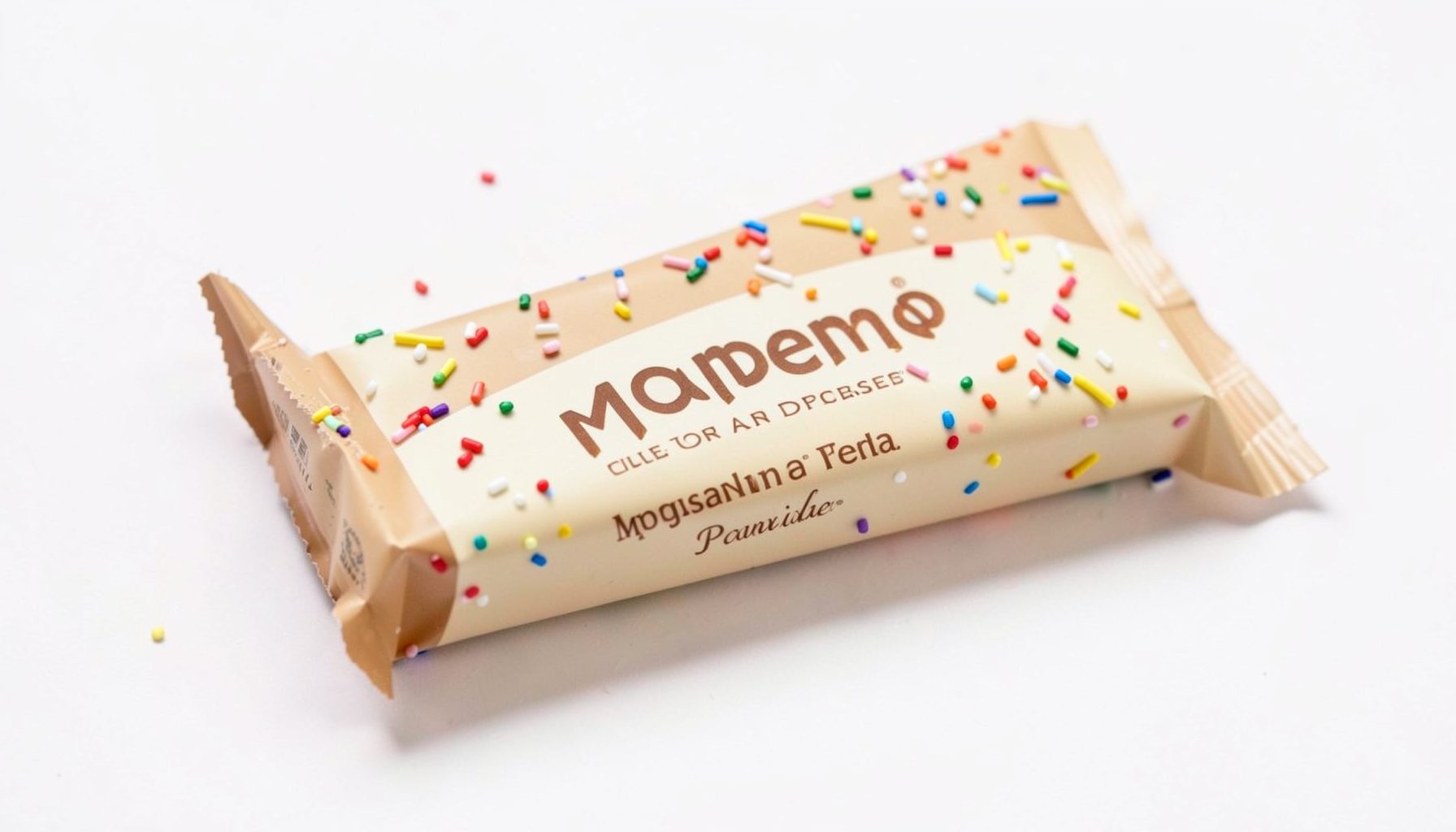
Birthday Cake
Celebratory flavor with a sweet, cake-inspired profile. Available in 1-pack and 10-pack.

Cinnamon
Warm spiced chocolate with a smooth finish. Single bars and bulk packs available.
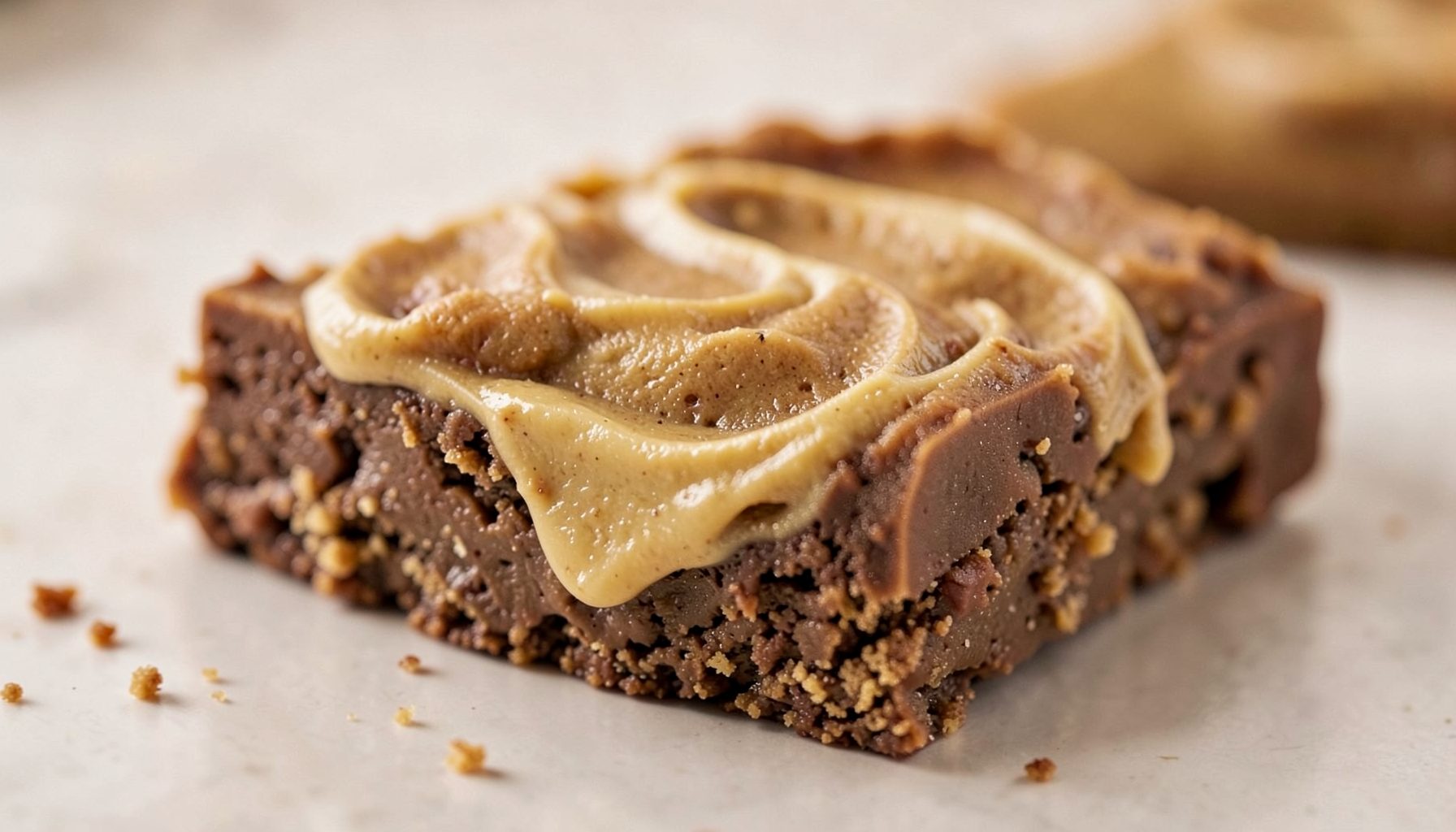
Cookie Butter
Rich, buttery cookie flavor in every bite. Offered in 1-pack and 10-pack options.

Cookies & Cream
Classic cookies-and-cream taste with a mushroom chocolate twist. 1-pack and 10-pack.
How Customer Feedback Shapes New Mushroom Flavours
Customer feedback has become a valuable creative input for mushroom-infused confectionery. People comment on sweetness, texture, serving size, packaging, and the way a flavour fits into a particular occasion. Those details can reveal preferences that a product team may miss during internal tastings.
For a brand with chocolate bars, gummies, and cones across more than 20 flavours, each review contributes to a broader picture of what customers enjoy. A request for a less sugary profile, a stronger fruit note, or a smaller pack can influence future testing without replacing formal quality checks.
The influence of customer feedback on our recent flavor additions is best understood as a process rather than a popularity contest. A single comment may start an idea, while repeated patterns across reviews, support messages, and market conversations help determine whether that idea deserves development.
Australian customers also bring specific expectations. They are familiar with clear metric measurements, ingredient panels, online reviews, and products that can withstand warm conditions in cities such as Sydney, Melbourne, Brisbane, and Perth. Those local habits make feedback especially useful when considering how a product might be received beyond California.
Listening beyond star ratings
A five-star review can show enthusiasm, but the written detail often carries more practical value. Customers may explain that they prefer berry notes over citrus, enjoy a softer chew, or want a flavour that does not overpower the chocolate. These observations help identify the characteristics behind satisfaction.
Critical feedback is equally informative when it is specific. Comments about an artificial aftertaste, difficult-to-open wrapping, uneven pieces, or unclear serving information can point to changes that improve the overall experience. The aim is not to satisfy every individual preference, since taste is personal, but to recognise recurring themes.
Feedback also needs to be read in context. A customer seeking a dessert-style treat may value richness and sweetness, while another may prefer a restrained profile suited to a quiet evening. Separating flavour preference from expectations about effects, dosing, or format allows a product team to assess comments more responsibly.
Turning preferences into flavour concepts
Once a pattern appears, it can be translated into a testable concept. For example, repeated interest in bright fruit may lead to trials involving acidity, natural flavour balance, and a lighter finish. Requests for familiar comfort flavours may encourage development around cocoa, vanilla, caramel, or toasted notes.
The first concept is rarely the final formula. Ingredient interactions can change when a flavour is added to chocolate, a gummy base, or a cone. Heat, storage time, and the earthy character associated with some mushroom ingredients can also affect the finished taste. Sensory testing therefore examines aroma, mouthfeel, aftertaste, and consistency rather than relying on an online poll.
Pack sizes and formats may evolve alongside taste. Australian shoppers often compare value in AUD and expect metric information to be easy to understand. A flavour that works well in a multi-piece gummy pack may need a different balance in a single chocolate bar, particularly when customers want to sample it before buying a larger size.
Quality information supports better feedback
Useful feedback depends on customers knowing what they are tasting. Ingredient transparency, clear serving guidance, batch information, and sensible storage instructions make reviews more meaningful. Without that context, a comment about strength or flavour may be difficult to interpret.
The brand’s background and product philosophy are outlined in its brand story, where customers can learn more about its approach to mushroom-based confectionery. That context matters because flavour development should sit alongside responsible sourcing, consistent manufacturing, and accurate product communication.
Customers can also benefit from learning how extract quality may vary between products. A practical quality guide can help readers consider labelling, ingredient detail, and testing claims instead of judging a product solely by its flavour name or packaging.
For an Australian audience, these questions are particularly important because overseas products may not align with local food, import, therapeutic-goods, or state-based rules. Psilocybin remains tightly controlled in Australia, with limited authorised therapeutic use under specific arrangements, so consumers should not assume that a mushroom product sold online is legal, approved, or suitable for import.
Australian tastes and practical expectations
Australian flavour preferences are diverse, shaped by multicultural food culture and a strong interest in fruit, coffee, chocolate, and balanced sweetness. A customer in Melbourne may respond to a darker cocoa profile, while someone in Brisbane may look for a bright tropical character. These are broad tendencies rather than fixed rules, but they demonstrate why regional feedback can broaden the development process.
Climate also affects expectations. Products shipped during a hot Perth summer or stored in a warm Queensland home may face conditions that influence chocolate texture, gummy firmness, and packaging performance. Feedback about melting, sticking, or changes in appearance can therefore lead to improvements in wrapping and storage guidance, even when the recipe itself remains unchanged.
Australian customers also tend to scrutinise online claims. They may look for independent testing, complete ingredient lists, realistic serving information, and straightforward explanations of what a product does and does not contain. This makes carefully documented feedback more valuable than vague statements about wellness or recreational experience.
The local regulatory environment should remain part of the conversation. A product designed for the California market may require different labelling, distribution arrangements, or restrictions in Australia. Feedback can highlight local concerns, but it cannot replace advice from Australian regulators or qualified professionals.
From comments to a more considered range
Customer input works best when it is combined with professional sensory evaluation and manufacturing review. A proposed flavour may be popular in comments but unsuitable if it masks ingredient differences, becomes unstable during storage, or creates confusion between product formats. Development teams must balance appeal with consistency and clear communication.
This approach can also prevent a crowded range from becoming repetitive. Rather than adding several flavours with slightly different names, feedback can reveal meaningful gaps: a less sweet option, a more pronounced cocoa profile, a fruit-forward choice, or a format designed for straightforward portioning. Variety becomes more useful when each addition has a clear reason to exist.
The process should remain transparent without promising that every request will become a product. Customers appreciate knowing that their views are reviewed, while responsible brands must explain that safety, testing, availability, and legal requirements influence the final decision. This is especially important when products contain active or regulated mushroom ingredients.
Over time, the strongest flavour additions are likely to be those that connect enjoyment with clarity. A successful product should taste intentional, present information plainly, and give customers enough detail to make informed decisions within their own location and circumstances.
Feedback is most useful when it is specific: describe the flavour, texture, format, packaging, and storage experience, then separate those observations from assumptions about effects. For Australian consumers, the practical takeaway is to check the ingredient panel, serving information, testing evidence, import and state requirements, and storage conditions before treating a new flavour as a suitable choice.

Send Us a Message
Get in Touch
Have questions about our products or your order? Reach out and we'll get back to you.
- California, USA
- Contact Page