
California • Est. 2019
Premium mushroom chocolate bars, gummies, and cones crafted in California. Bold flavors, uncompromising quality, and a brand built from the ground up.
Explore the CollectionOur Collection
Shruumz Chocolates & Gummies
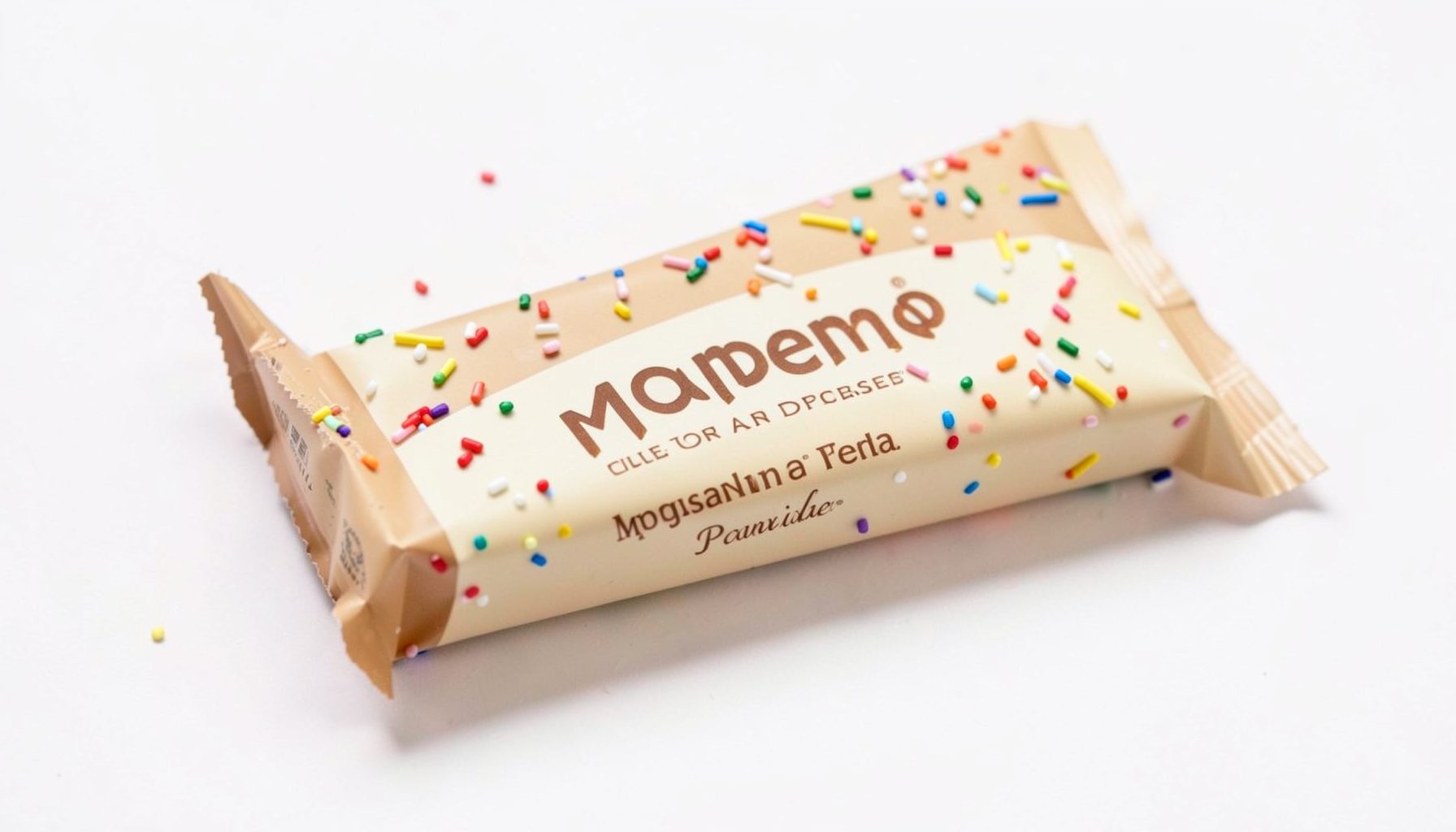
Birthday Cake
Celebratory flavor with a sweet, cake-inspired profile. Available in 1-pack and 10-pack.
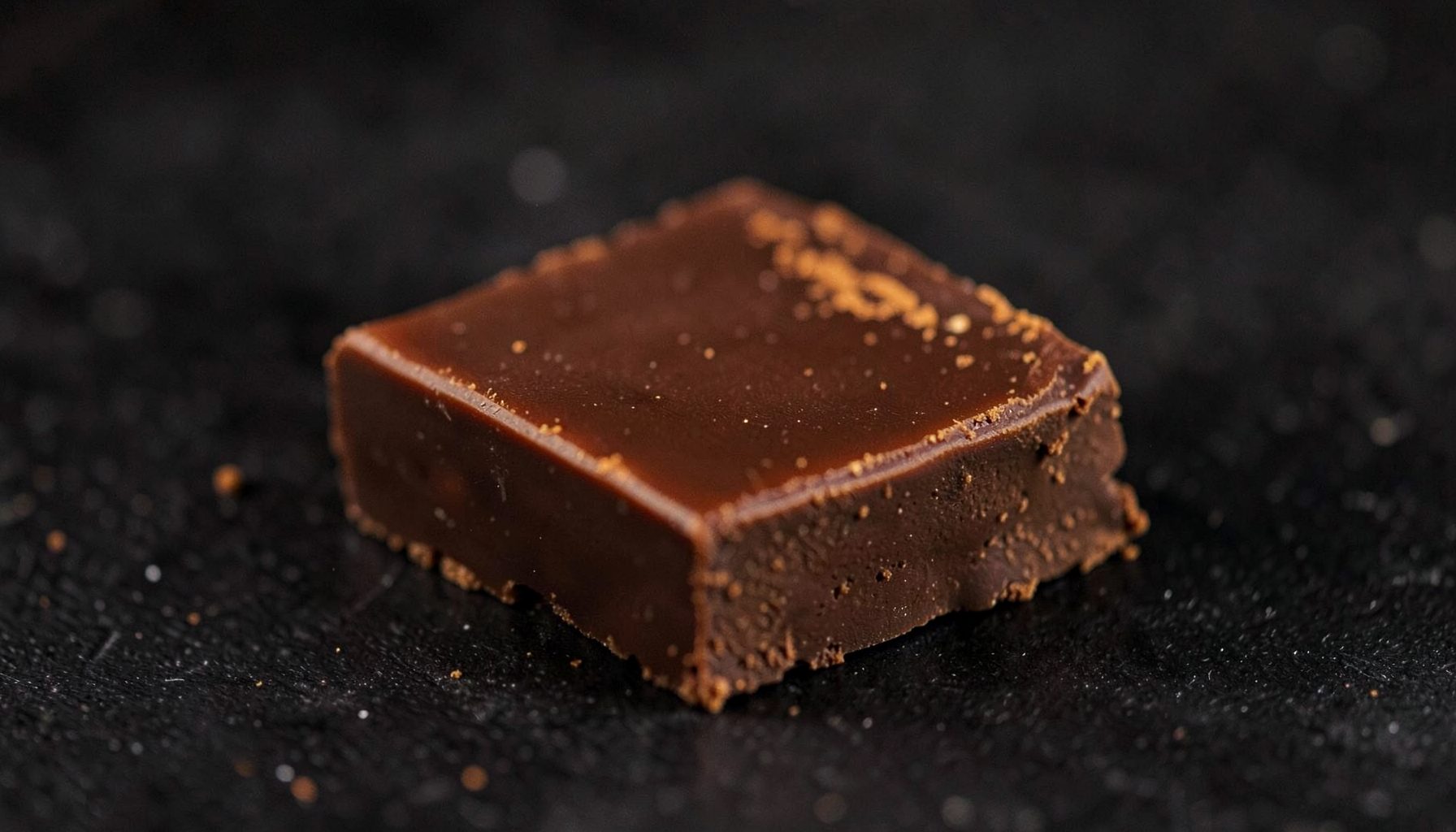
Cinnamon
Warm spiced chocolate with a smooth finish. Single bars and bulk packs available.
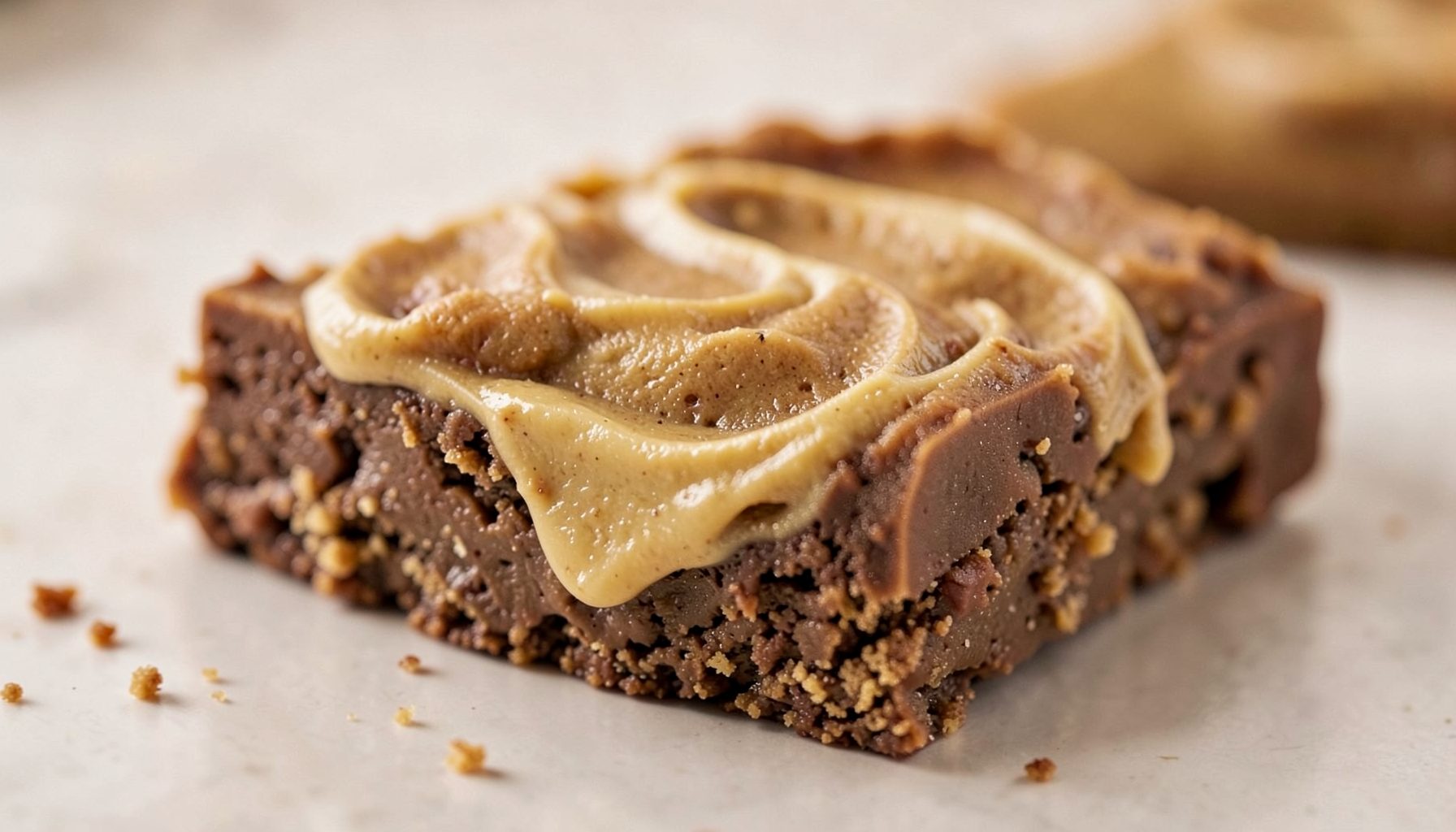
Cookie Butter
Rich, buttery cookie flavor in every bite. Offered in 1-pack and 10-pack options.

Cookies & Cream
Classic cookies-and-cream taste with a mushroom chocolate twist. 1-pack and 10-pack.
The Nutritional Profile Of Mushroom Gummies
Mushroom gummies combine a familiar confectionery format with mushroom-derived ingredients. Their nutritional value depends on the complete recipe, including the sweetener, gelling agent, flavoring, coating, and amount of mushroom material used in each serving. As a result, a gummy should be evaluated as a formulated food rather than assumed to have the same nutrition as fresh mushrooms.
For shoppers comparing flavors and pack sizes, the most useful details are calories per serving, total carbohydrates, added sugars, fat, protein, sodium, and serving size. The mushroom component is also important, but it usually contributes a relatively small share of the macronutrients because gummies contain a concentrated ingredient blend in a compact form.
Diamond Shruumz offers mushroom-based gummies in multiple flavors, making label awareness especially valuable. Recipes can vary between products, so the package panel should remain the primary source for current nutrition and ingredient information.
What A Typical Gummy Provides
Most mushroom gummies are primarily made from carbohydrates. Sugar, glucose syrup, tapioca syrup, fruit concentrates, or alternative sweeteners provide the structure and sweetness that consumers expect from a chewable gummy. This means the carbohydrate and sugar content can be more nutritionally significant than the mushroom ingredient itself.
The exact calorie count depends on serving size and recipe density. A single piece may contain fewer calories than a full serving, while a multi-gummy serving can add up quickly. Checking both “per serving” and “servings per container” helps prevent underestimating total intake.
Fat and protein are generally present in small amounts unless the formula includes ingredients such as coconut oil, nut-derived components, seed ingredients, or added protein. Sodium may also be low, although acids, flavor systems, and mineral-based ingredients can affect the final amount.
Understanding The Mushroom Component
Mushrooms naturally contain compounds such as beta-glucans, amino acids, minerals, and other bioactive substances. However, the nutritional contribution of a gummy depends on the species, extraction method, concentration, and quantity included in the formula. A product containing mushroom extract is not nutritionally identical to a serving of whole culinary mushrooms.
The label may distinguish between fruiting body material, mycelium, powder, or extract. These terms describe different source materials and processing approaches, so they should be read alongside the ingredient list and product-specific information. A proprietary blend can make it harder to determine the amount of each mushroom, while a clearly stated quantity offers more useful context.
Mushroom gummies should not automatically be treated as a replacement for vegetables, whole mushrooms, or a balanced source of fiber and micronutrients. Their appeal is usually convenience, flavor, and a measured format rather than broad nutritional density.
Sugar, Sweeteners, And Serving Size
Sweeteners are central to the sensory experience of gummies. Traditional sugar-based recipes can provide a noticeable amount of added sugar, while sugar-free or reduced-sugar formulas may use sugar alcohols, stevia, monk fruit, or other high-intensity sweeteners. Each option affects calories, texture, digestion, and aftertaste differently.
Sugar alcohols can cause digestive discomfort for some people when consumed in larger quantities. Individuals who monitor blood glucose, follow a low-carbohydrate eating pattern, or have specific dietary needs should review the nutrition panel rather than relying on front-of-package language.
Serving size is equally important. Taking several pieces at once changes the calories, carbohydrates, and active ingredient exposure proportionally. Following the package directions supports more consistent use and makes it easier to compare flavors or formats.
| Nutrition Detail | Why It Matters | What To Check |
|---|---|---|
| Serving size | Establishes the basis for every listed nutrient | Number of gummies and weight per serving |
| Calories | Shows the energy provided by the recipe | Calories per serving and per piece |
| Total carbohydrates | Includes sugars, starches, and some sweeteners | Grams per serving |
| Added sugars | Indicates sugar added during formulation | Percentage of Daily Value |
| Fat and protein | Helps explain the broader macronutrient profile | Total grams and ingredient sources |
| Sodium | Useful for people tracking sodium intake | Milligrams per serving |
| Mushroom ingredient | Describes the product’s featured botanical component | Species, form, and stated amount |
Reading The Label With Confidence
A complete review starts with the Supplement Facts or Nutrition Facts panel, depending on how the product is categorized and presented. The ingredient list can reveal the sweetener system, pectin or gelatin, natural and artificial flavors, colors, acids, oils, and mushroom preparations. Allergy statements are also important when a recipe is produced in a facility handling common allergens.
Product labels can change as recipes, suppliers, or regulations change. For that reason, online descriptions should complement rather than replace the packaging found with the current product. Consumers interested in ingredient transparency can learn more about the company’s stated approach through the Diamond Shruumz brand story.
It is also useful to separate nutrition from other product considerations. Calories and sugar describe the food profile, while potency, intended effects, age restrictions, and local rules relate to product use and compliance. The legal landscape guide provides broader context because regulations for mushroom-infused products can differ substantially by location.
Comparing Gummy Nutrition With Other Formats
Gummies are portable, portionable, and easy to store, but their nutritional profile differs from mushroom powders, teas, capsules, and whole foods. A powder without sweeteners may contain fewer carbohydrates, while a chocolate product can contribute more fat and calories. A tea may have a different ingredient concentration and no chewable base at all.
The best format depends on priorities. Gummies may suit consumers who value taste and convenience. Capsules can minimize sugar and flavoring ingredients. Whole mushrooms offer water, fiber, and a broader food matrix that is generally absent from a small gummy.
Flavor also influences the ingredient profile. Tart fruit varieties may use acids and fruit flavor systems, while creamy or candy-inspired versions may contain different oils, colors, or sweeteners. Comparing the back panels of several flavors can reveal meaningful differences even when the featured mushroom blend is similar.
A Practical Way To Evaluate Each Product
Use the nutrition panel as a quick screening tool, then examine the full ingredient list and serving guidance. A product with a modest calorie count may still contain substantial added sugar, while a sugar-free product may include sweeteners that do not suit every digestive system.
Consider how the gummies fit into the rest of the day’s diet. They can be counted as a flavored, formulated food with a mushroom ingredient rather than as a major source of vegetables, protein, fiber, or essential vitamins. That perspective keeps expectations realistic and supports more balanced choices.
For shoppers reviewing several products, these checks can make comparisons clearer:
- Confirm the number of gummies in one serving.
- Compare calories, carbohydrates, and added sugars per serving.
- Identify the mushroom species and whether the label states an amount.
- Review sweeteners, allergens, colors, and other non-mushroom ingredients.
- Follow the package directions and check local requirements before purchasing.
Use the current product label to make an informed choice, and explore Diamond Shruumz’s flavor and format range with the nutrition facts in view. A careful comparison of serving size, sweeteners, ingredients, and mushroom details makes it easier to select a gummy that fits your preferences and everyday routine.

Send Us a Message
Get in Touch
Have questions about our products or your order? Reach out and we'll get back to you.
- California, USA
- Contact Page