
California • Est. 2019
Premium mushroom chocolate bars, gummies, and cones crafted in California. Bold flavors, uncompromising quality, and a brand built from the ground up.
Explore the CollectionOur Collection
Shruumz Chocolates & Gummies
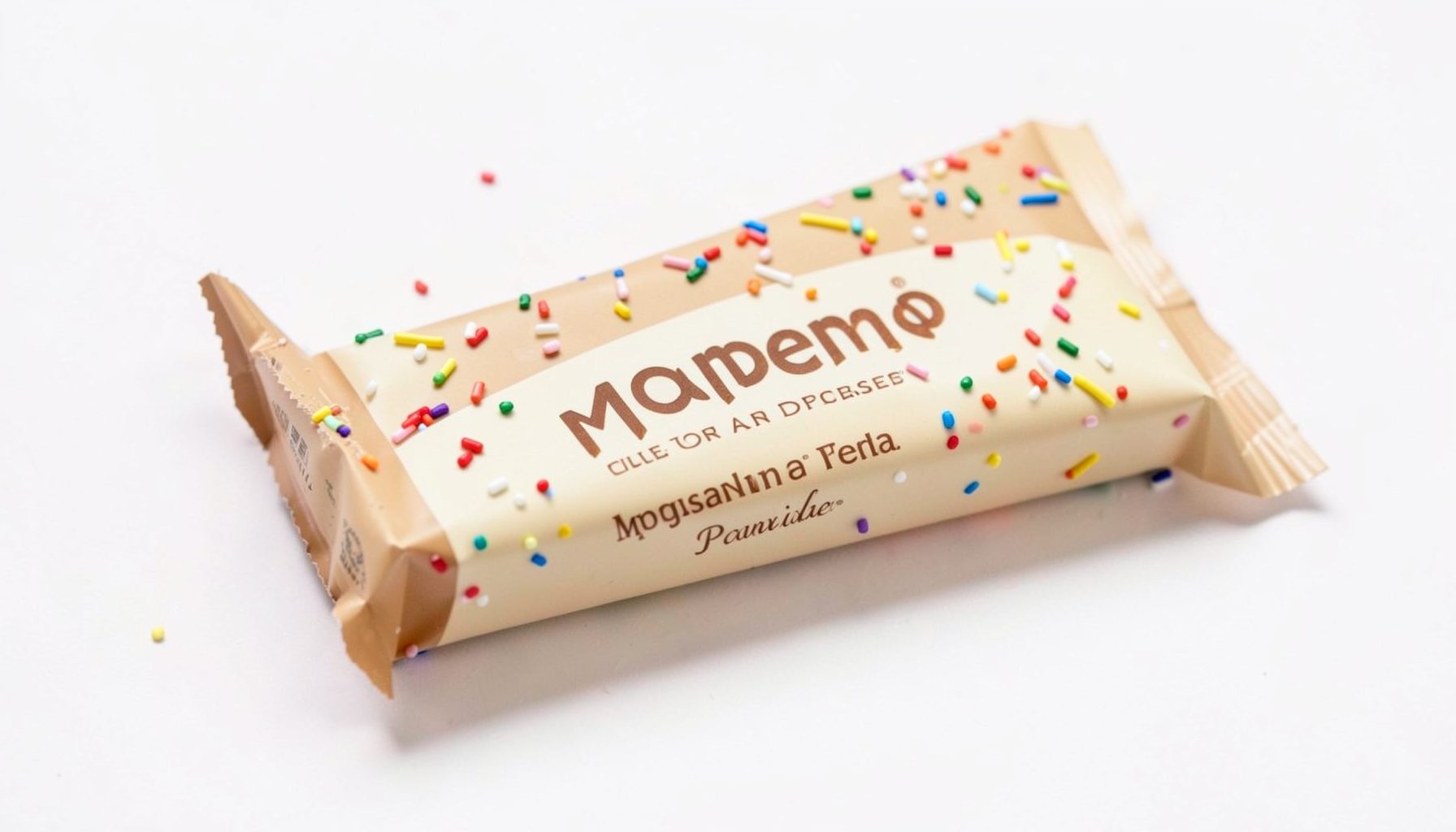
Birthday Cake
Celebratory flavor with a sweet, cake-inspired profile. Available in 1-pack and 10-pack.
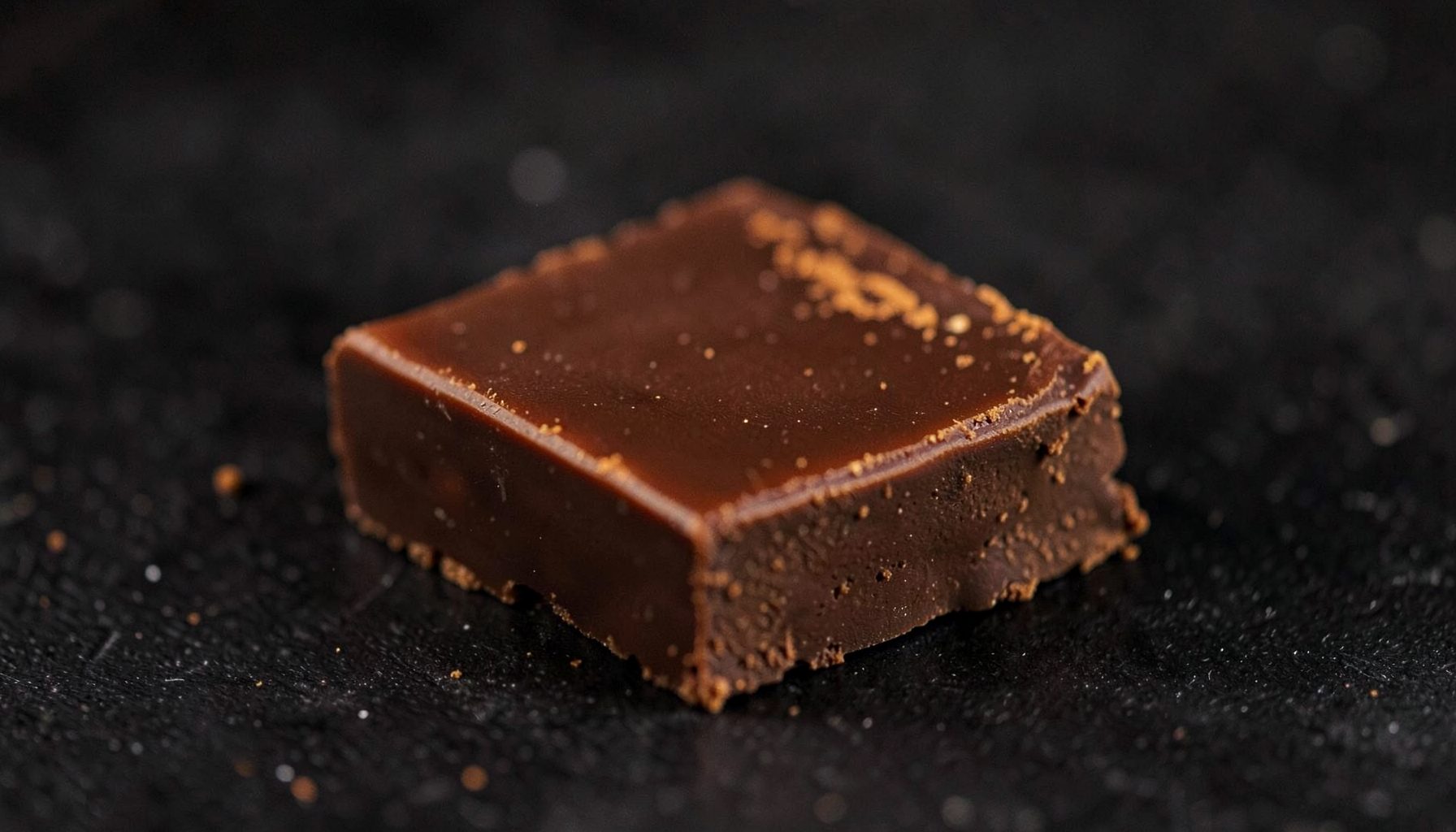
Cinnamon
Warm spiced chocolate with a smooth finish. Single bars and bulk packs available.
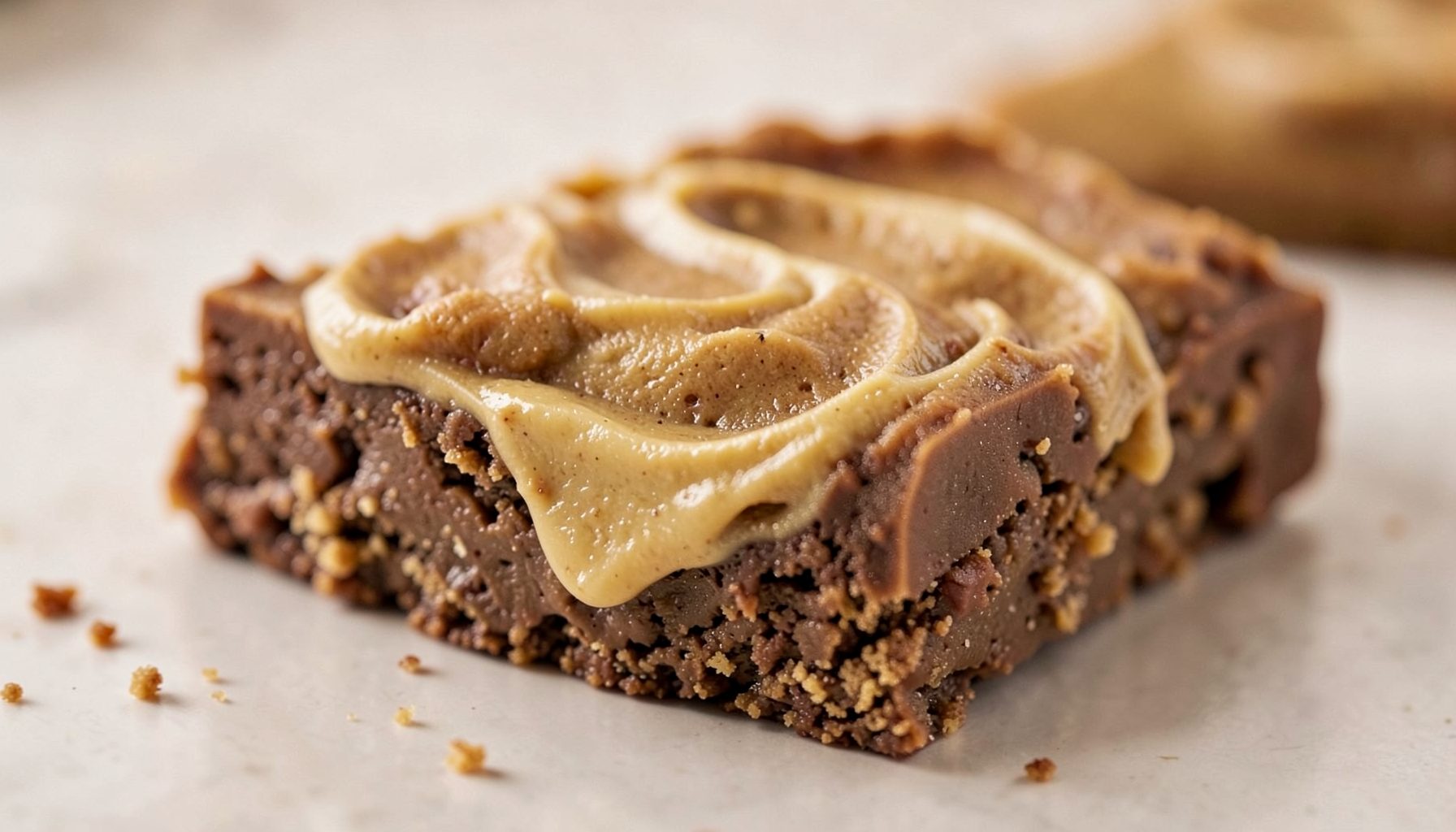
Cookie Butter
Rich, buttery cookie flavor in every bite. Offered in 1-pack and 10-pack options.
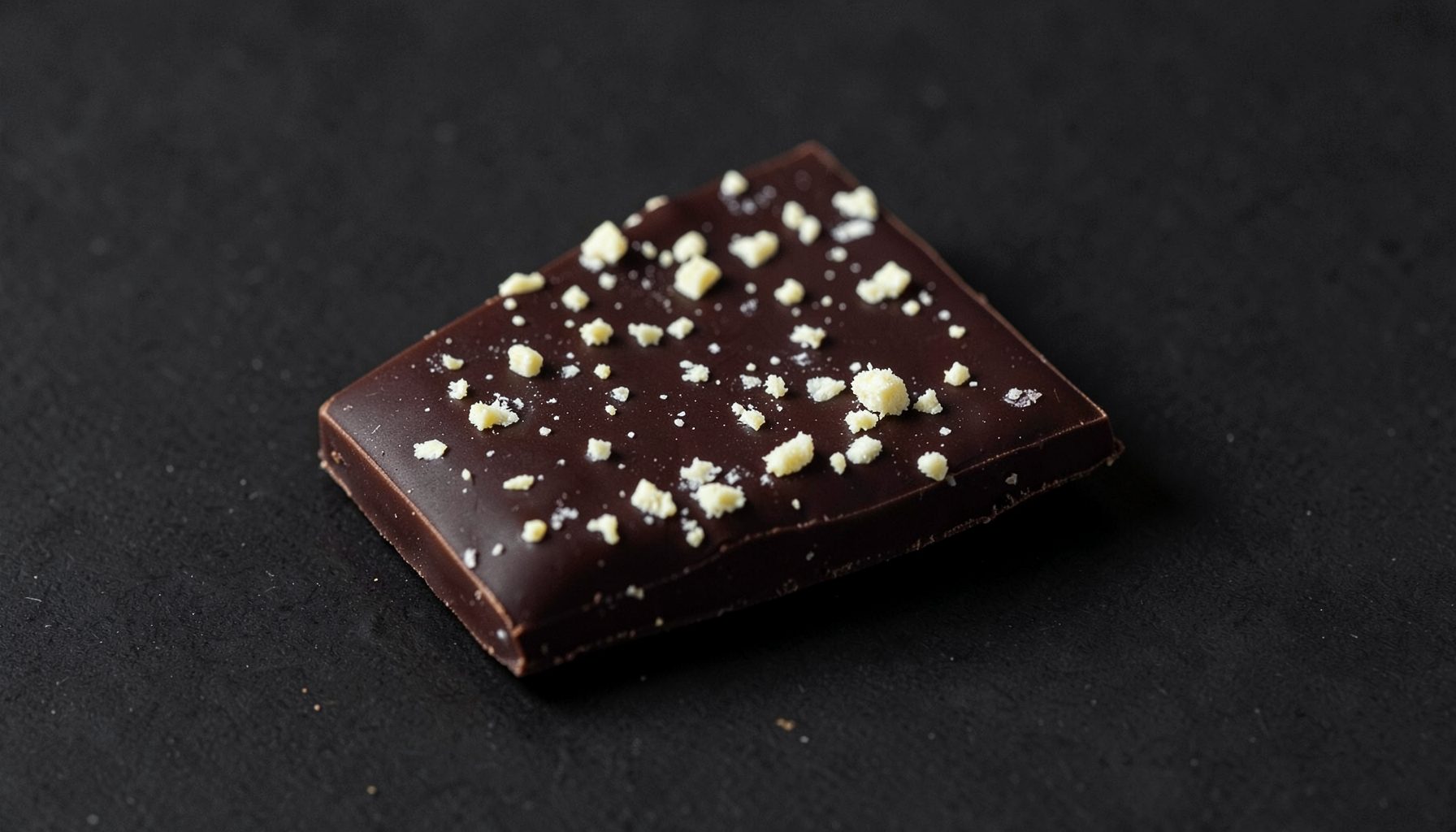
Cookies & Cream
Classic cookies-and-cream taste with a mushroom chocolate twist. 1-pack and 10-pack.
The science behind sugar-free gummy options
Sugar-free gummies combine food science with careful ingredient formulation. Removing ordinary table sugar changes more than the sweetness: it affects texture, moisture control, shelf stability, flavor balance, and how quickly the gummy’s ingredients are released during digestion.
For mushroom-infused products, the sweetener system is only one part of the equation. The finished piece must also deliver a consistent amount of its featured ingredients while remaining pleasant to chew. That requires attention to raw materials, manufacturing conditions, packaging, and serving guidance.
“Sugar-free” does not automatically mean calorie-free, carbohydrate-free, or suitable for every dietary need. Depending on the recipe, a gummy may contain sugar alcohols, soluble fibers, or high-intensity sweeteners. Reading the ingredient panel and serving information remains the most reliable way to understand what is in a specific product.
What sugar-free means in a gummy
In food labeling, a sugar-free claim generally refers to the amount of sugars in a serving rather than the complete absence of sweet-tasting ingredients. A formula may use stevia, monk fruit extract, sucralose, or sugar alcohols such as erythritol to create sweetness without conventional sucrose.
These ingredients behave differently. High-intensity sweeteners provide strong sweetness in very small quantities, while polyols contribute bulk and mouthfeel. Soluble fibers can add body and help prevent a gummy from feeling thin or brittle. The right combination helps maintain a balanced flavor instead of replacing sugar with a sharp or lingering aftertaste.
Sugar-free formulas can still contain calories or carbohydrates, particularly when they include fibers or certain polyols. People monitoring blood glucose, following a low-carbohydrate diet, or managing digestive sensitivities should review the nutrition facts and ingredient list rather than relying on the front-of-pack claim alone.
How sweeteners shape texture and flavor
Traditional gummies rely on sugar and syrup for structure. Those ingredients bind water, contribute viscosity, and help create the familiar elastic bite. When they are reduced or removed, manufacturers must recreate those functions with gelling agents, humectants, fibers, and carefully controlled moisture.
Pectin is a common plant-based gelling agent, while gelatin produces a different chew and melt. Acid levels, heating time, and the ratio of solids to water influence whether a gummy is soft, springy, sticky, or firm. A sugar-free recipe may need a different pectin system or processing temperature than a conventional candy formula.
Flavor design also becomes more precise. Tart fruit notes, natural flavors, and acidity can help balance sweeteners that taste cooler, sharper, or less rounded than sugar. This is particularly important for mushroom-based products, where earthy or botanical notes may require thoughtful flavor pairing rather than excessive sweetness.
Delivery, digestion, and serving size
A gummy is an edible delivery format, so its ingredients pass through the digestive system before the body processes them. The food matrix, recent meals, individual metabolism, and serving size can all influence how an edible experience develops. The presence or absence of sugar does not by itself determine the strength or timing of the featured mushroom ingredients.
Consistent portioning is therefore central to responsible formulation. Each piece should be made to contain a predictable amount according to the product label, while the full package should clearly state how many pieces make up a serving. Customers should avoid assuming that a larger gummy is stronger or that a sugar-free option has a faster effect.
Responsible education matters alongside formulation. Diamond Shruumz’s staff product training reflects the value of understanding ingredients, serving information, and appropriate product communication rather than treating gummies as ordinary candy.
Comparing common sweetening systems
The table below describes general formulation roles. Exact performance varies by ingredient grade, recipe, processing method, and serving size.
| Sweetening approach | Primary role | Common characteristics | Points to consider |
|---|---|---|---|
| Erythritol | Sweetness and bulk | Low sweetness intensity, cooling sensation, low digestible energy | Large amounts may cause digestive discomfort for some people |
| Soluble fiber | Body, sweetness support, moisture management | Can improve chew and reduce a thin texture | May affect total carbohydrate labeling and tolerance |
| Stevia or monk fruit | High-intensity sweetness | Used in small amounts and often blended with other sweeteners | Can have a lingering, herbal, or slightly bitter note |
| Allulose | Sugar-like sweetness and bulk | Helps provide a familiar mouthfeel in some recipes | Digestive response and labeling rules vary by region |
| Pectin or gelatin system | Structure rather than sweetness | Creates the gummy’s set and chew | Texture depends on acidity, heat, moisture, and storage |
No single sweetener is ideal for every product. A formulator may combine several options to balance sweetness, texture, aftertaste, and stability. The final decision also depends on dietary positioning, flavor profile, manufacturing equipment, and the behavior of the mushroom-derived ingredients in the mixture.
Protecting ingredient quality over time
Heat, light, oxygen, and moisture can gradually affect food ingredients. Gummies are especially sensitive to humidity because excess water can make them sticky, while insufficient moisture can create a hard or crumbly bite. Packaging helps limit these changes and supports a more consistent product throughout its shelf life.
Quality control begins with incoming materials and continues through batching, cooking, depositing, cooling, and packaging. Useful checks may include appearance, weight variation, water activity, microbial standards, and laboratory analysis of relevant ingredients. These controls help verify that the product remains within its intended specifications.
Storage also matters after purchase. Keeping gummies sealed, away from direct sunlight, and within the temperature range stated on the package can help preserve texture and flavor. Consumers should follow the printed expiration or best-by information and avoid using products with unusual odor, visible contamination, or damaged packaging.
Making informed choices about mushroom gummies
The phrase “mushroom gummy” can describe very different products. Some contain culinary mushroom extracts, while others may feature functional mushroom ingredients or compounds with psychoactive potential. The ingredient panel should identify the featured materials as clearly as possible, and the serving instructions should explain the amount per piece and per package.
Individual responses can vary widely. Customers’ stories about social settings may offer context, but personal reports are not a substitute for ingredient transparency, controlled testing, or professional advice. Diamond Shruumz’s customer gathering stories can illustrate how people describe their experiences, while each customer still needs to make decisions based on the product label and personal circumstances.
People who are pregnant or breastfeeding, under the legal purchasing age, taking prescription medicines, managing a medical condition, or sensitive to specific sweeteners should seek qualified guidance before using infused products. Gummies should be kept away from children and pets, and they should never be treated as ordinary confectionery.
Practical choices for a better experience
A careful approach can help customers evaluate sugar-free mushroom gummies without confusing sweetness claims with product quality:
- Check the full ingredient list, nutrition facts, active ingredients, and amount per piece.
- Confirm whether the sweetening system contains polyols, fibers, or ingredients that may affect digestion.
- Follow the labeled serving guidance and avoid combining products without understanding their total contents.
- Store the package securely in a cool, dry place away from children, pets, and direct sunlight.
- Choose products supported by clear sourcing, batch information, quality controls, and responsible educational material.
Sugar-free gummy science is ultimately about balance. The best formula brings together sweetness, chew, stability, flavor, and accurate serving information while respecting the distinct properties of mushroom-derived ingredients. Explore the available flavors and pack sizes, read each label carefully, and choose the option that fits your preferences and informed routine.

Send Us a Message
Get in Touch
Have questions about our products or your order? Reach out and we'll get back to you.
- California, USA
- Contact Page