
California • Est. 2019
Premium mushroom chocolate bars, gummies, and cones crafted in California. Bold flavors, uncompromising quality, and a brand built from the ground up.
Explore the CollectionOur Collection
Shruumz Chocolates & Gummies
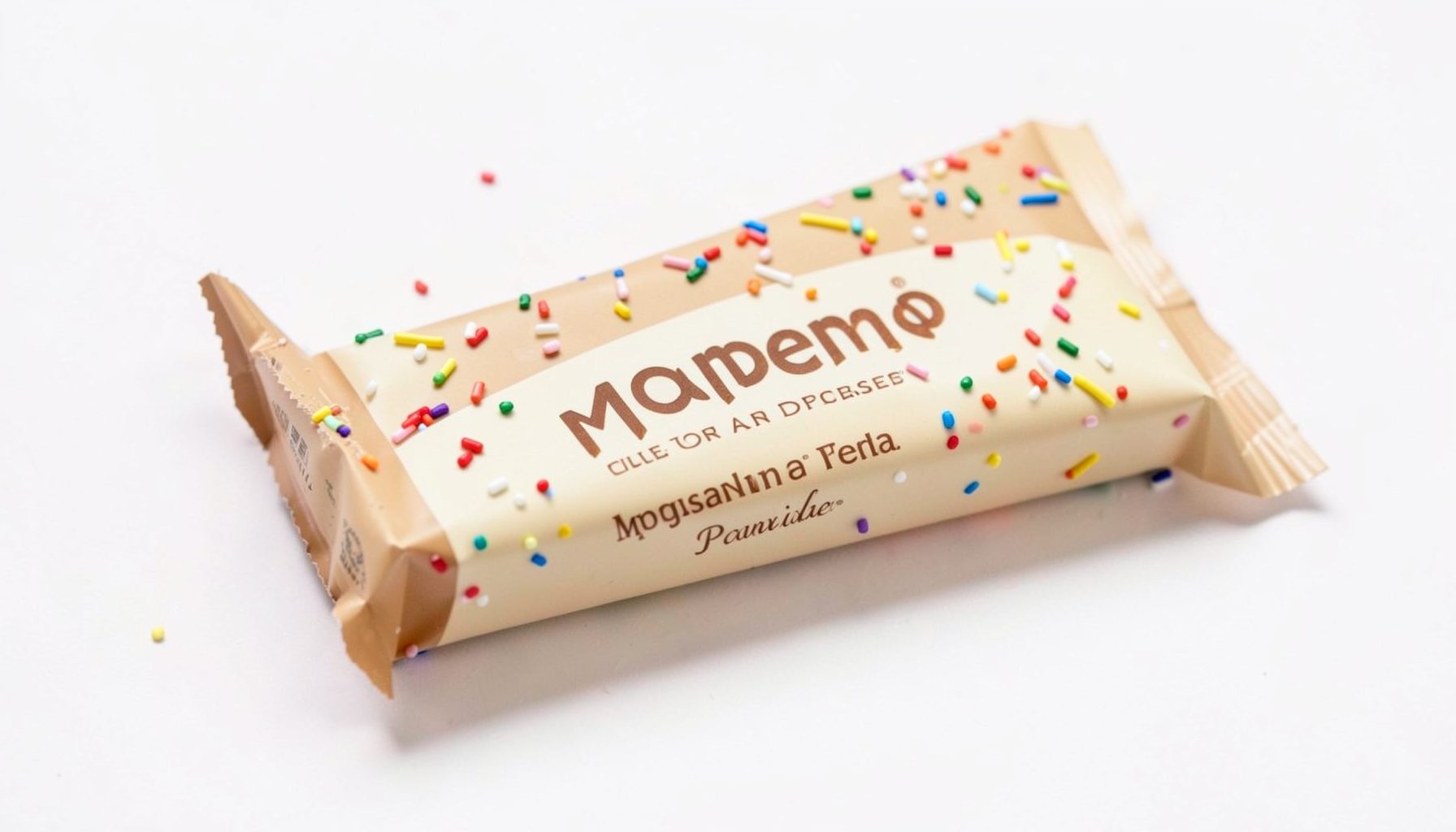
Birthday Cake
Celebratory flavor with a sweet, cake-inspired profile. Available in 1-pack and 10-pack.
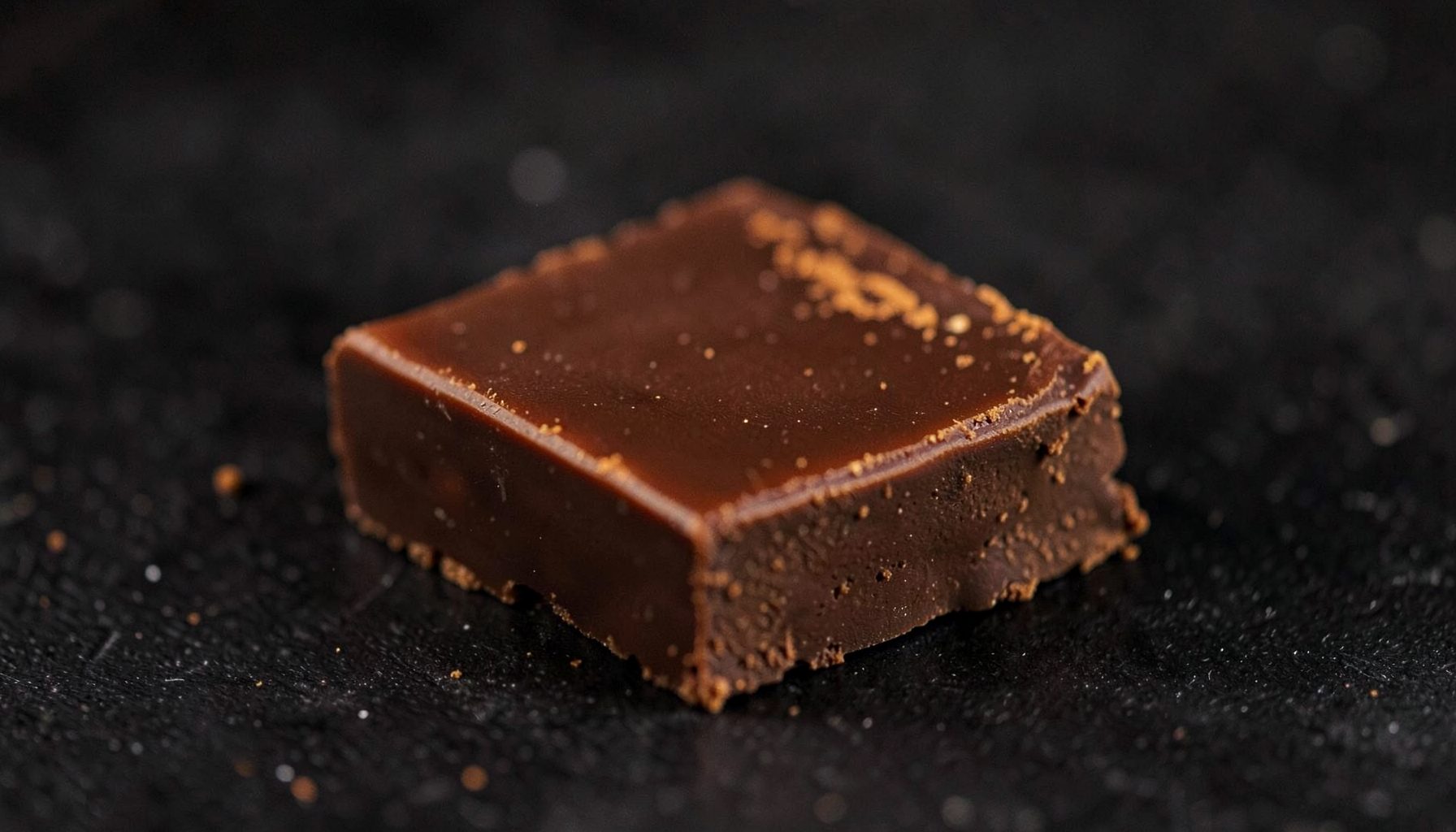
Cinnamon
Warm spiced chocolate with a smooth finish. Single bars and bulk packs available.
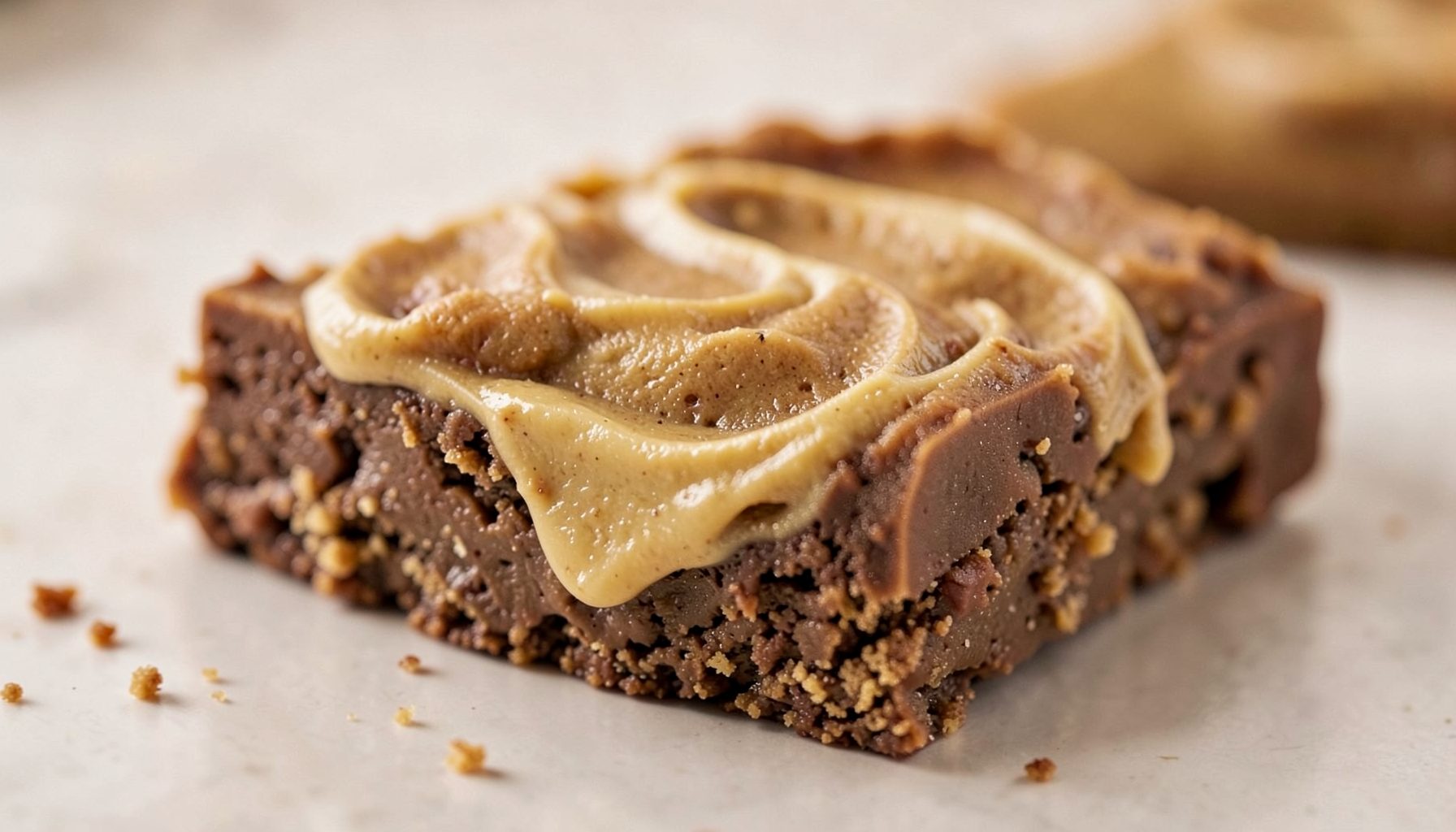
Cookie Butter
Rich, buttery cookie flavor in every bite. Offered in 1-pack and 10-pack options.

Cookies & Cream
Classic cookies-and-cream taste with a mushroom chocolate twist. 1-pack and 10-pack.
What happens during our third-party potency verification process
When a mushroom-infused chocolate, gummy, or cone is described as having a particular strength, the number should be supported by more than a recipe sheet or an internal estimate. Independent laboratory analysis gives a separate set of eyes to the question of what is actually present in a finished product.
For Australian customers, this distinction matters. A product purchased online may cross borders, pass through hot delivery networks in Brisbane or Perth, and be assessed under rules that differ from those applied to ordinary confectionery. Laboratory verification can improve transparency, but it does not automatically make a product legal to import, possess, or sell in Australia.
Our approach is designed to examine identity, concentration, consistency, and safety indicators. The aim is to connect the contents of a packaged serving with the information presented on the label, while recognising that mushroom chemistry can vary by species, harvest, extraction method, and batch.
Why independent testing matters
Internal quality checks are useful, but they are performed by the company that makes or sells the product. Third-party potency testing adds distance between production and measurement. The laboratory receives a representative sample, applies validated analytical methods, and reports the result without relying solely on the brand’s formulation records.
A credible test begins with a defined target. Depending on the blend, this may involve identifying mushroom species, measuring declared compounds, checking beta-glucan content, or screening for compounds that should not be present. “Potency” is therefore not one universal figure. It must be linked to a named analyte, a serving size, and a clear unit of measurement.
This matters when comparing products in different formats. A chocolate bar, gummy, and cone may contain the same advertised blend while distributing it differently across servings. The testing record should make clear whether the reported amount applies to the whole package, each piece, or a measured quantity of finished material.
From production batch to laboratory sample
The process starts with batch identification. Production records connect ingredients, lot numbers, manufacturing dates, and packaging information. A sample is then selected from the finished batch rather than tested only from a raw powder or concentrated extract. Testing the final product helps reveal whether mixing, heating, moisture, or storage has affected the intended composition.
Sample handling is important because a gummy or chocolate bar is not chemically uniform by default. The laboratory may homogenise multiple units before taking a measured portion for analysis. This reduces the chance that one unusually strong or weak piece is treated as representative of the entire batch.
Chain-of-custody documentation records who collected the sample, when it was sealed, how it was transported, and when the laboratory received it. These details are especially relevant for products moving between the United States and Australia, where customs delays and temperature exposure can affect packaging or texture. A sealed, traceable sample gives the result a stronger connection to the product sold.
How the laboratory measures potency
Analysts select a method suited to the compounds being examined. High-performance liquid chromatography, commonly called HPLC, can separate and quantify targeted constituents in a complex food matrix. Mass spectrometry may be used when a more sensitive identification method is required. The laboratory also prepares reference standards and calibration curves so that instrument readings can be converted into measured concentrations.
The report should distinguish between detected, quantified, and not detected. A result described as “not detected” does not always mean absolute zero; it may mean the compound was below the method’s reporting limit. A useful certificate of analysis, or COA, states the detection threshold, units, sample identity, and test method rather than presenting a vague pass or fail.
For mushroom blends, species confirmation may involve DNA-based identification, chemical markers, or both, depending on the material and the laboratory’s capabilities. A label that names a mushroom does not prove that the finished product contains the expected amount of its relevant constituents. That is why identity testing and quantitative potency testing answer different questions.
Checking consistency across the finished product
One batch result cannot describe every future production run. Repeated testing helps identify variation between lots and supports a more realistic understanding of shelf stability. Samples may be examined at release, after storage, or following a change in supplier, formula, packaging, or manufacturing equipment.
Consistency also means comparing the declared serving information with the laboratory result. If a package contains ten gummies, the measured amount should be assessed against the stated amount per gummy and the total package quantity. Rounding should be understandable, and the label should avoid suggesting a precision that the method cannot support.
Customers browsing flavour options may notice that sensory differences do not necessarily indicate a different mushroom profile. Blueberry and blackberry can vary in sweetness, acidity, and aroma, while the underlying blend may remain comparable; the flavour comparison guide explains that distinction in consumer-friendly terms.
Screening for contaminants and unwanted substances
Potency is only one part of product quality. Depending on the raw materials and formulation, a broader panel may screen for heavy metals, microbial contamination, pesticides, residual solvents, or undeclared active ingredients. Chocolate and gummies can also require attention to allergens, moisture, and water activity because these affect shelf life and food safety.
A laboratory report should show which tests were actually performed. A potency result does not certify that every possible contaminant has been assessed. Similarly, a clean microbial screen cannot confirm the concentration of a mushroom constituent. Each result has a defined scope, and responsible interpretation stays within that scope.
Australian shoppers should also consider the regulatory setting. Food products may be subject to Food Standards Australia New Zealand requirements, while therapeutic claims can raise separate concerns involving the Therapeutic Goods Administration. Psychoactive mushroom compounds are controlled under Australian law, with rules that can vary by substance and jurisdiction. A certificate of analysis is evidence about a sample; it is not an import permit or legal clearance from Australian Border Force.
Reading the result as a customer
A useful COA should match the product name, flavour or format where relevant, batch number, laboratory name, report date, sample type, and units. It should identify the tested compounds and show whether the values are reported per gram, per serving, or per package. Customers should be cautious when a document has no batch reference or uses broad language such as “lab tested” without supporting measurements.
The brand’s formulation choices also affect what the report means. Different species, extracts, and blends may call for different analytical targets, so selecting ingredients is part of the quality system rather than a marketing detail. The guide explaining how strains are selected provides context for why a blend may be tested against several markers instead of a single headline number.
For people in Sydney, Melbourne, or regional areas, storage after delivery remains relevant. A parcel left in direct summer sun can experience conditions that were not present when the batch was tested. Keep products in their original packaging, follow the stated storage instructions, and treat serving information as a limit rather than an invitation to increase consumption.
A product page may show pack sizes and available options, but purchasing convenience should not replace due diligence. Before placing an order through the shopping cart, Australian customers should check current import, possession, age, and state or territory requirements, particularly where a formula contains ingredients that may be restricted locally.
Independent verification is strongest when it is specific, traceable, and interpreted honestly. The result should connect a named batch to a defined method, a measured serving, and clearly stated limits. The key point to remember is that third-party testing provides evidence about what was analysed; understanding the report, storing the product correctly, and checking Australian law determine how responsibly that evidence can be used.

Send Us a Message
Get in Touch
Have questions about our products or your order? Reach out and we'll get back to you.
- California, USA
- Contact Page