
California • Est. 2019
Premium mushroom chocolate bars, gummies, and cones crafted in California. Bold flavors, uncompromising quality, and a brand built from the ground up.
Explore the CollectionOur Collection
Shruumz Chocolates & Gummies
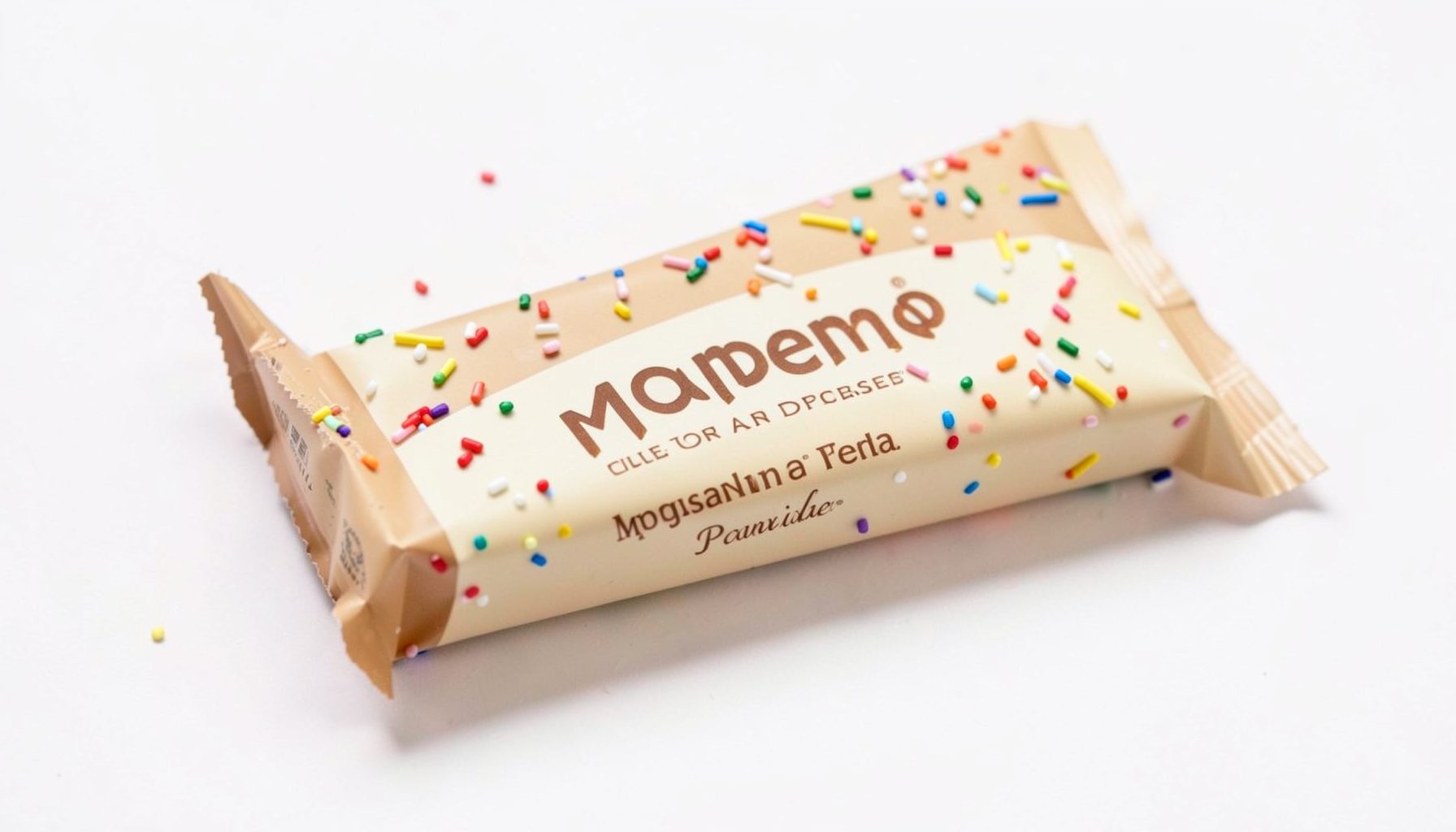
Birthday Cake
Celebratory flavor with a sweet, cake-inspired profile. Available in 1-pack and 10-pack.
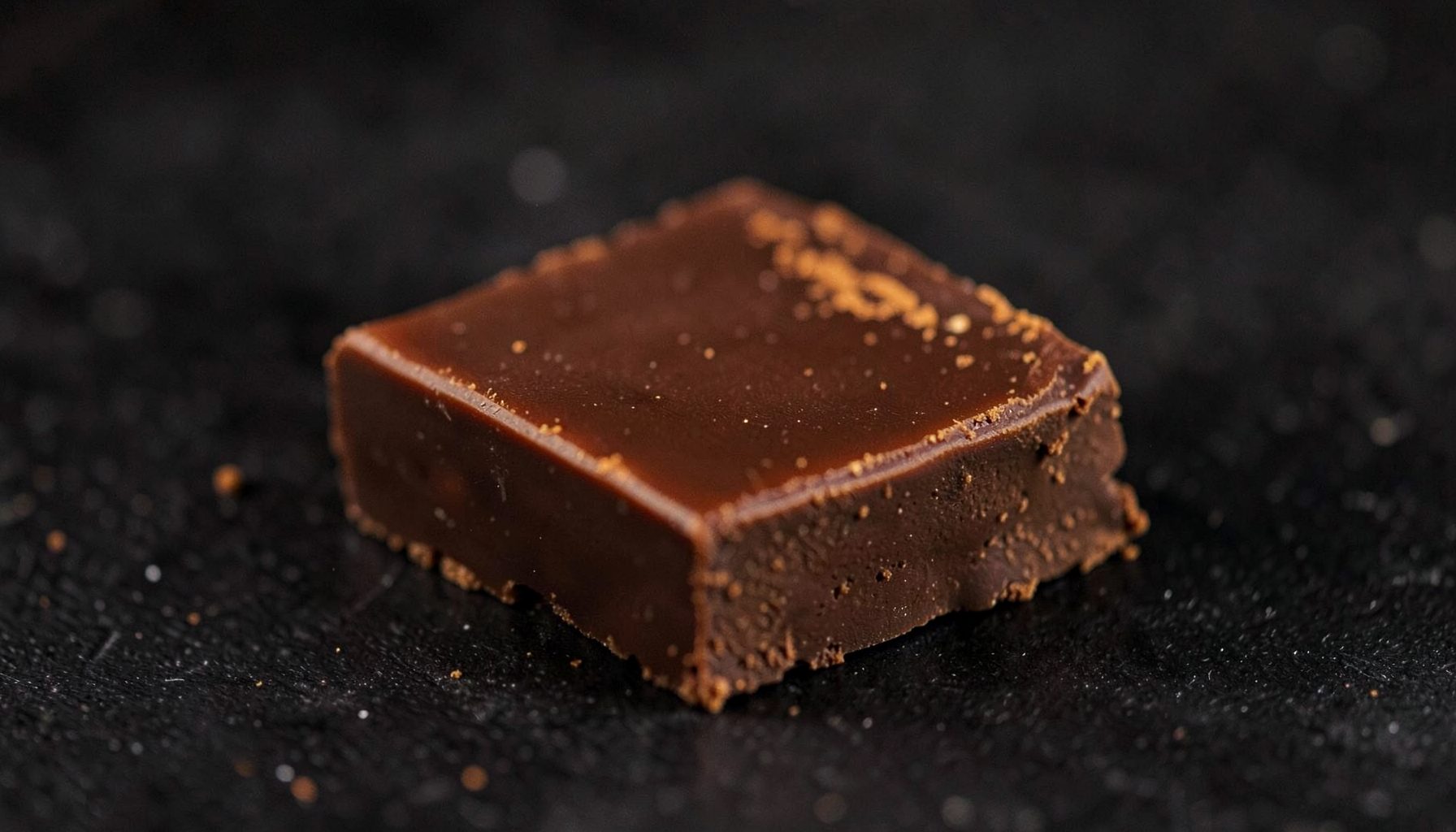
Cinnamon
Warm spiced chocolate with a smooth finish. Single bars and bulk packs available.
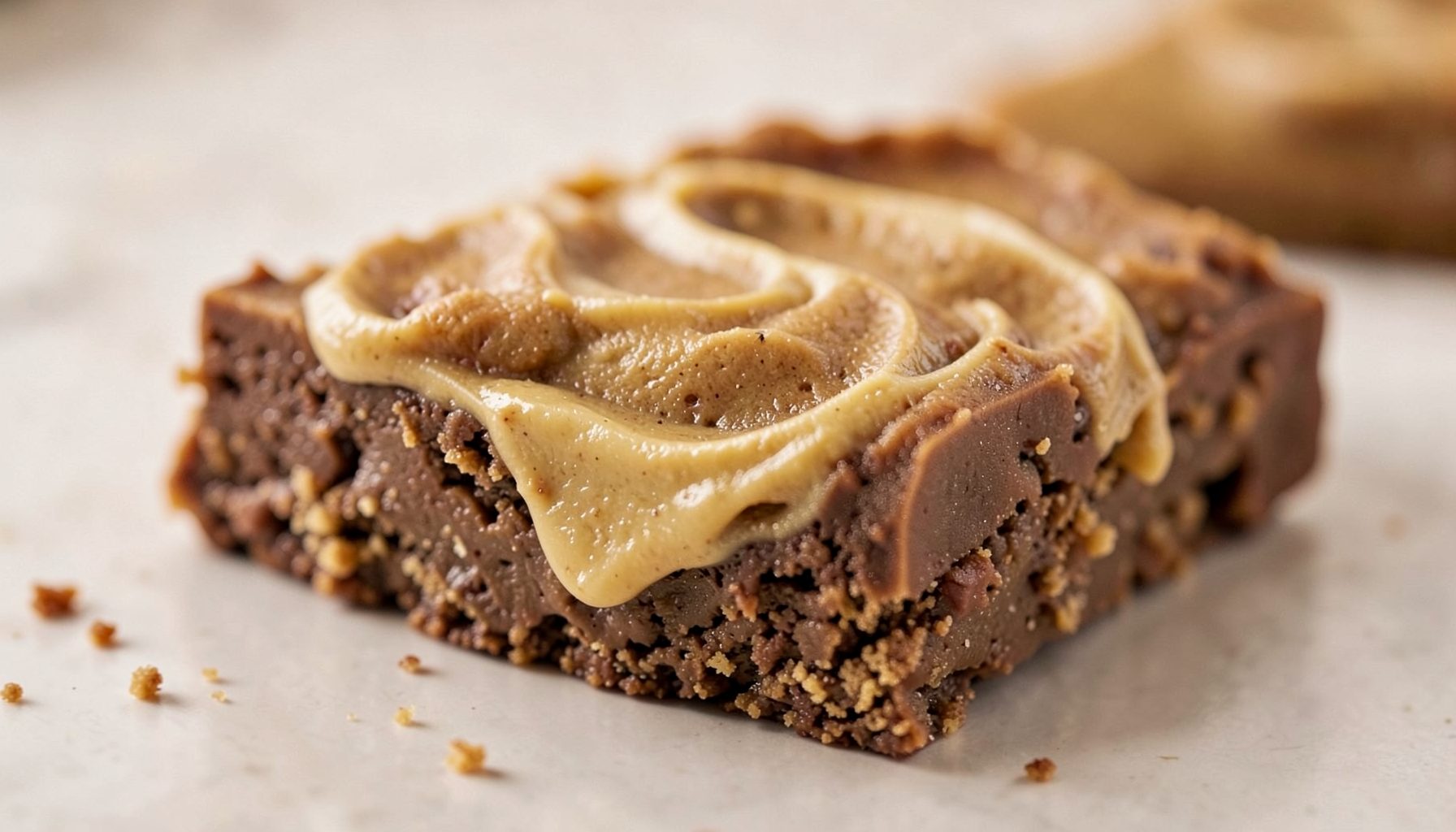
Cookie Butter
Rich, buttery cookie flavor in every bite. Offered in 1-pack and 10-pack options.
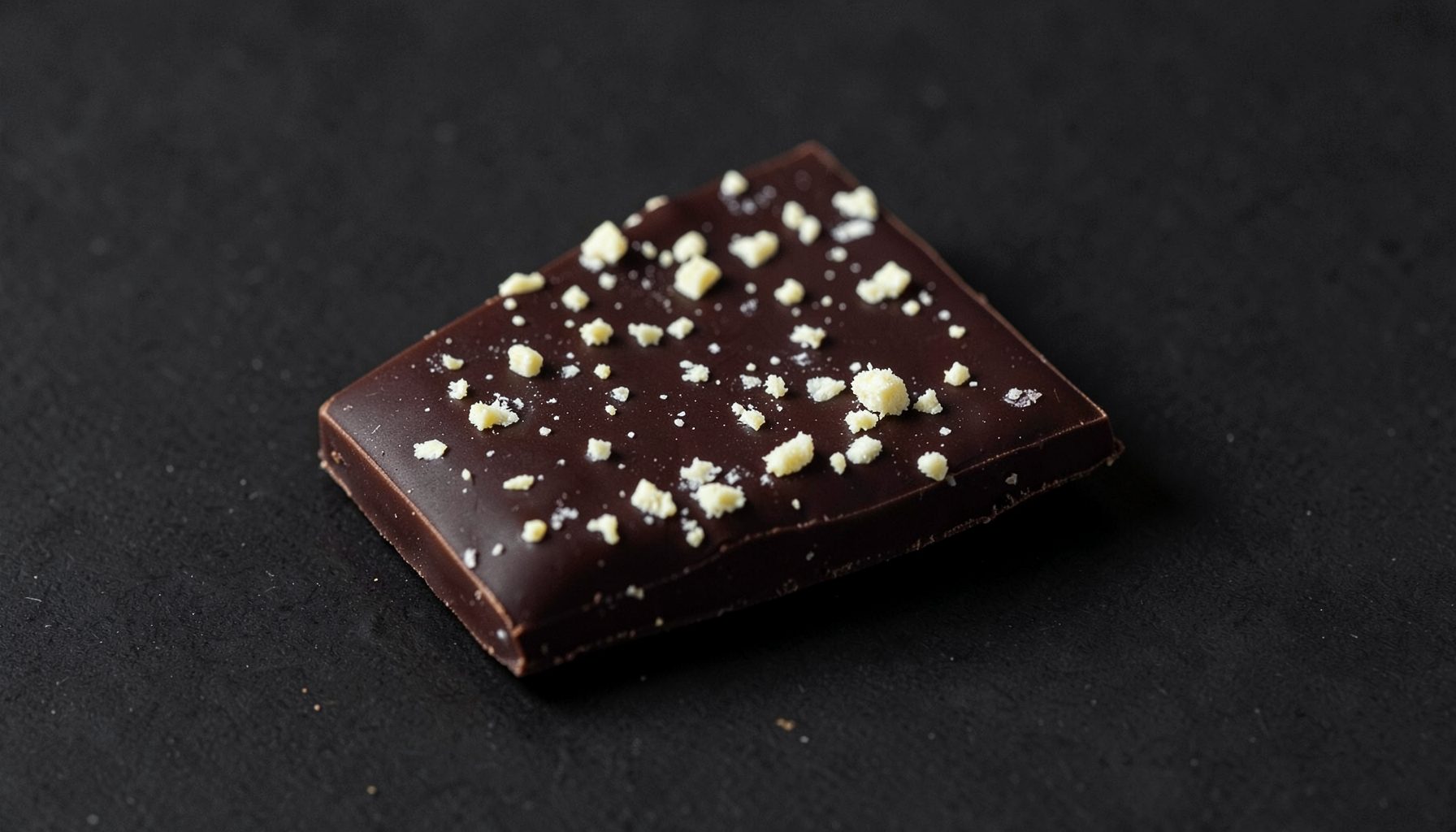
Cookies & Cream
Classic cookies-and-cream taste with a mushroom chocolate twist. 1-pack and 10-pack.
What Our Lab Tests Reveal About Purity and Potency
A laboratory certificate turns a broad quality promise into figures a buyer can inspect. For Diamond Shruumz, that matters because the California-based range spans mushroom-infused chocolate bars, gummies and cones across more than 20 flavours. The evidence is most useful when it is tied to the exact product, flavour and batch rather than the whole range.
Purity and potency answer different questions. Purity asks whether the material is the declared mushroom or extract and whether unwanted contaminants are detected. Potency asks how much of the relevant marker compounds are present. A product can be pure yet weak, or strong yet inconsistent, so neither result replaces the other.
A milligram figure also needs context: ingredient form, extraction ratio, serving size and pieces per pack. Third-party testing can document those variables. Customer accounts of wellbeing or recreational effects remain personal experiences that a laboratory result cannot verify.
For shoppers in Australia, the useful questions are which documents to request and how to read them. The same checks apply to a purchase from a shelf in Sydney, a direct import collected in Melbourne or an order delivered to Brisbane, while customs, freight and local labelling rules add separate layers.
What Purity Testing Can Establish
Our purity testing starts with identity: the report should name the mushroom species and, where relevant, the plant part or extract used. A certificate for one species cannot validate another. For a concrete starting point, compare the ingredients and serving details on the mushroom chocolate bar listing with the attached documentation; matching names, quantities and formats are basic requirements.
Contaminant screening adds another layer. Depending on the product, the panel may cover heavy metals, pesticides, microbial contamination, residual solvents or adulterants. Each test addresses a defined risk. A clean result supports the tested batch, but it does not certify every future production run.
“Not detected” also needs careful reading. It means the analyte was absent at the laboratory’s stated detection limit, not that it can never occur. Method, sample preparation and the scope of the panel therefore matter as much as a simple pass or fail.
Why Batch-Level Documentation Matters
Quality claims become easier to assess when independent records sit behind them. A useful parallel comes from fashion: Golden Goose popularity shows how buyers form expectations around a premium name and the construction behind it. A laboratory certificate serves a similar evidence role, turning a brand story into details that can be checked.
A credible certificate of analysis should identify the product and lot, sample date, testing laboratory, analytical method and result units. ISO/IEC 17025 accreditation is useful when it covers the specific test and matrix; a logo on a report is not the same as accreditation for every method. Chain-of-custody details also help show that the submitted sample represents the saleable batch.
Diamond Shruumz’s history, sourcing notes and awards can help establish credibility, but they remain different from batch evidence. For chocolate, gummies and cones, the decisive document is the one that connects a particular flavour and pack to its tested ingredients.
Potency Markers and Batch Records
Potency is best read through validated marker compounds rather than a single broad percentage. The relevant marker depends on the mushroom and whether the product uses whole mushroom powder, a standardised extract or a blend.
Identity and strength checks
- Identity: The correct species, ingredient part and extract form are stated.
- Strength: Marker results appear in clear units with a stated range or specification.
- Batch match: The product, flavour, pack size and lot number align across the report and packaging.
Cleanliness and traceability checks
- Contaminants: Heavy metals, pesticides, microbes or solvents are screened where relevant.
- Method: The laboratory, preparation method and detection limits are disclosed.
- Timing: Sample and report dates are close enough to the batch and purchase date.
These two lists answer different questions: the first describes what is present and how strongly, while the second describes how reliably the sample was checked. A potency value without lot traceability can describe an earlier recipe rather than the bar in your hand. For a multi-ingredient product, compare each active mushroom’s result instead of adding unlike compounds into a meaningless total.
Concentrations also differ by matrix. A gram of gummy is not comparable to a gram of chocolate solely because both contain the same named ingredient. Water activity, moisture and other ingredients can influence how a laboratory measures the finished product.
Dosing, Flavour and Product Format
Once the numbers make sense, return to the label. Record the milligrams per piece, bar or cone, the stated serving and the number of servings in the pack. Also check whether a figure refers to mushroom powder, extract or a standardised blend; those quantities cannot be compared without conversion details.
Flavour and manufacturing variables can affect the final product as well. The brand’s citric acid guide explains how acidity supports gummy texture and flavour balance. Citric acid can influence pH and stability, yet its presence does not replace a finished-product potency test because water activity, storage and ingredient interactions may affect the matrix.
Chocolate bars, gummies and cones also deliver portions differently. A pack may contain several pieces with a serving suggestion, while a bar may be designed as one portion. Consumers should follow the product’s directions rather than infer potency from a flavour name, package size or another Diamond Shruumz format.
Checks for the Australian Market
Australian shoppers should separate product quality from import logistics. Prices may be quoted in US dollars and converted to Australian dollars, so exchange rates can move the final amount. Buyers in Sydney, Melbourne, Brisbane, Adelaide and Perth should compare the landed total rather than the sticker price alone.
Customs treatment also matters. Australia generally applies 10% GST to low-value imported goods, with marketplace collection rules and delivery charges affecting the total. Imported food must be declared accurately, and Australian Border Force biosecurity controls can require inspection; ingredients of animal, plant or biological origin may attract additional questions. A seller’s assurance that a parcel is easy to import is not a customs decision.
On the retail side, Food Standards Australia New Zealand applies the Food Standards Code to food sold in Australia, while the TGA becomes relevant when a product is presented as a therapeutic good rather than ordinary food. Check the Australian ingredient list, allergen declaration, net quantity, supplier details and date marking, and avoid disease-treatment claims that the evidence has not established.
Making a Batch-Specific Purchase Decision
Use the certificate as a decision tool, not decoration. Match the product name, flavour, pack size and lot or batch number on the laboratory report to the package. Then check whether the report states what was tested, who tested it and which marker or contaminant limits applied.
Results apply to the tested sample and batch, not permanently to the recipe or every flavour. If the document is generic, undated, missing a lot number or unclear about units, the uncertainty should lower confidence in the purchase. Independent laboratory evidence becomes especially valuable when a brand already publishes ingredient details, sourcing information and a quality-focused manufacturing approach.
Before checkout, record the exact item and batch, and request a matching batch-specific certificate from Diamond Shruumz through the contact page if any of those details are missing.

Send Us a Message
Get in Touch
Have questions about our products or your order? Reach out and we'll get back to you.
- California, USA
- Contact Page