
California • Est. 2019
Premium mushroom chocolate bars, gummies, and cones crafted in California. Bold flavors, uncompromising quality, and a brand built from the ground up.
Explore the CollectionOur Collection
Shruumz Chocolates & Gummies
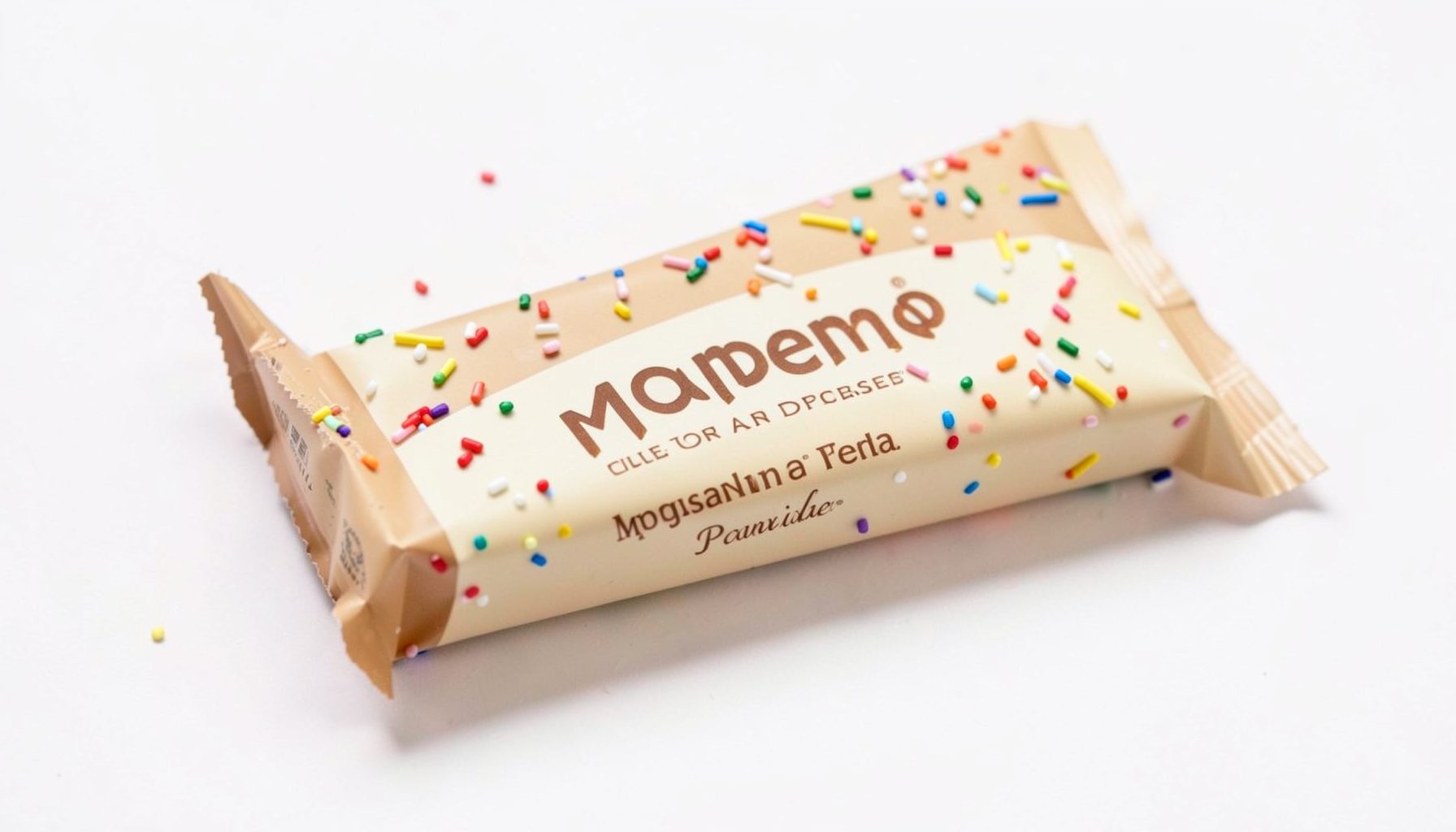
Birthday Cake
Celebratory flavor with a sweet, cake-inspired profile. Available in 1-pack and 10-pack.
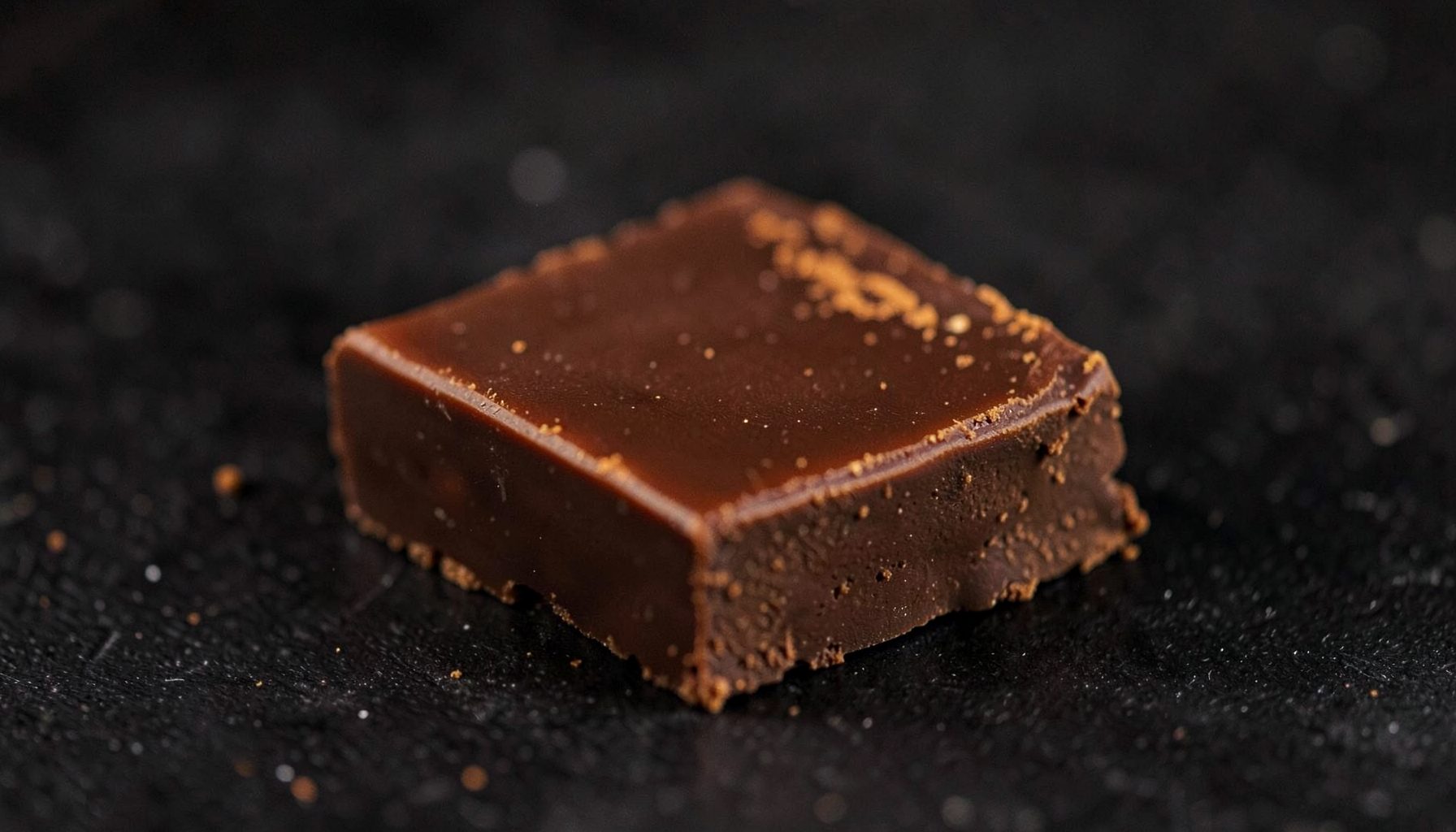
Cinnamon
Warm spiced chocolate with a smooth finish. Single bars and bulk packs available.
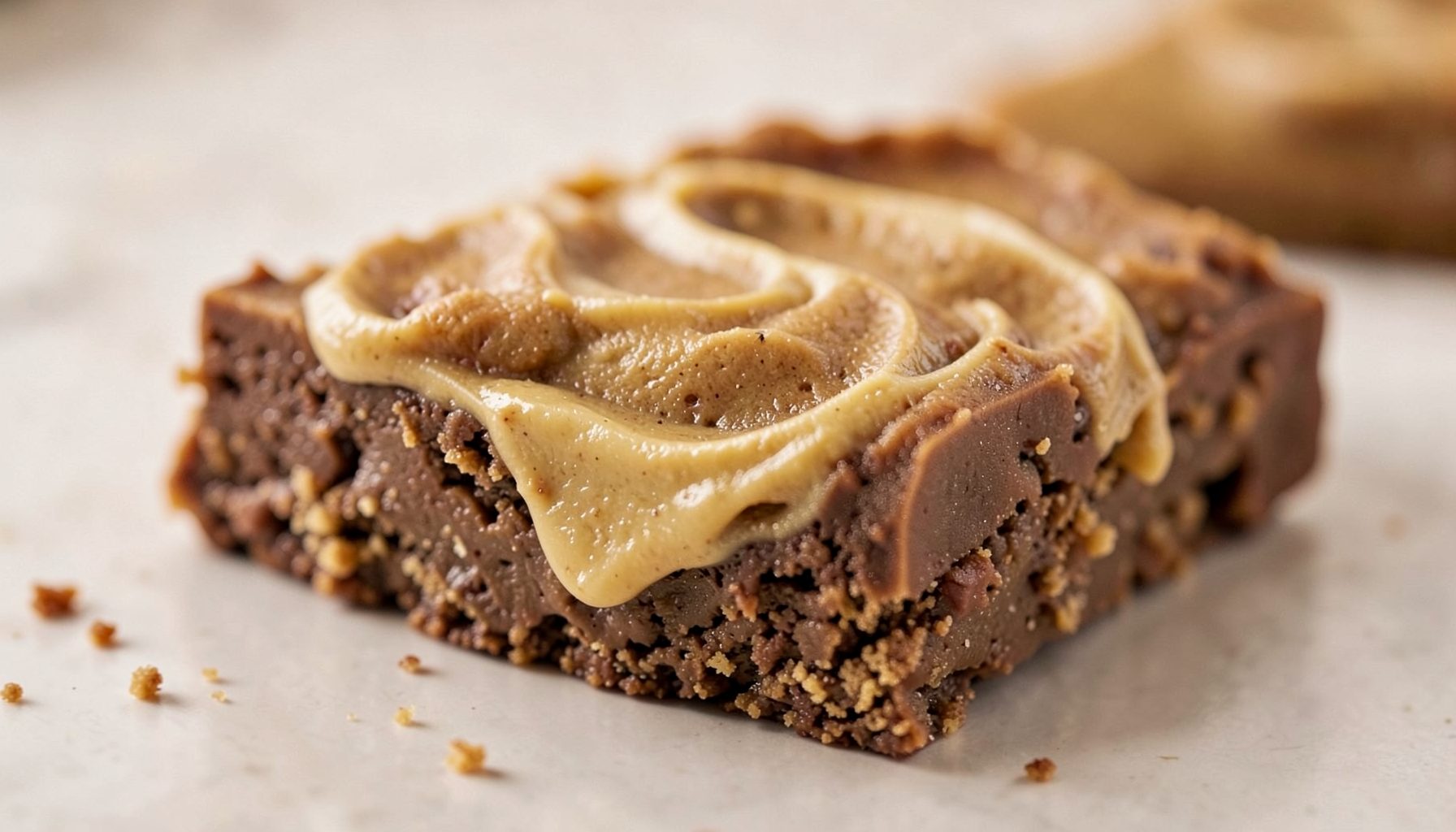
Cookie Butter
Rich, buttery cookie flavor in every bite. Offered in 1-pack and 10-pack options.

Cookies & Cream
Classic cookies-and-cream taste with a mushroom chocolate twist. 1-pack and 10-pack.
Why our products are third-party lab tested for safety
Diamond Shruumz makes mushroom-infused chocolate bars, gummies and cones across more than 20 flavours, so consistency must be built into every stage. Botanical ingredients can vary, and a shared product name may hide different profiles. Independent laboratory analysis gives our customers an objective check on identity, active-ingredient amounts and tested contaminants before a batch reaches the market.
For Australian shoppers, that evidence must also sit alongside local law. A laboratory report cannot legalise an otherwise controlled product. Import conditions, ingredient disclosure and the distinction between a food, a therapeutic good and a psychoactive substance determine what may be sold, imported or claimed. Testing is quality control, not a substitute for compliance or a promise that every product suits every person.
What an independent laboratory checks
Third-party testing means the analysis is performed by a laboratory separate from our production team and ingredient suppliers. We commission that analysis so formulation decisions are not made by the team selling the product. A credible report identifies the laboratory, its accreditation status, the sample, test date, analytical methods and batch or lot number. Buyers should be able to match the document to the exact package rather than receive a generic “clean” statement.
The panel should answer specific questions. Identity testing checks for expected mushroom material and substitution; potency testing measures compounds against the stated amount; safety testing screens for relevant hazards such as heavy metals, pesticide residues, microbes or residual solvents. The panel depends on the formulation, so a bar’s certificate cannot automatically cover a gummy or cone.
Reports have boundaries. A laboratory can report only what it tested, using the sample received on the stated date. Representative sampling and batch traceability therefore matter. “Third-party lab tested” is meaningful only when the panel, method and lot can be examined clearly.
From ingredients to batch release
Quality begins before a bar or gummy is mixed. Suppliers should be qualified for their materials, with botanical identity, source, production date, certificates and storage conditions documented. Those incoming checks connect to formulation records, production dates and the finished batch, allowing a concern to be traced without guesswork.
The strongest programme tests both inputs and finished products. Ingredient documents establish what entered the process; finished-product analysis shows what the consumer receives after mixing, moulding and packaging. It can catch a concentration error, cross-contamination or a mismatch between the formulation sheet and label.
Good records should remain accessible rather than disappearing into an inbox. A well-maintained traceability records library preserves source files, approvals and version history, creating an audit trail. Such a library is not evidence that a Diamond Shruumz batch was tested. Customers still need the signed report matched to the product code and lot on pack.
Why potency and serving size matter
Accurate potency supports repeatability. If one piece contains a stated amount of mushroom compounds and the next contains considerably more or less, the label cannot support consistent use. Measuring the completed product against an agreed tolerance verifies each serving, while a sealed batch code makes outliers traceable.
Our microdosing guide explains how portions and formats fit into a microdosing routine, but laboratory results are not personalised medical advice. A report establishes what is in the tested food; a health professional is the right source for advice involving medicines, pregnancy, driving, work or existing conditions. Follow the serving instructions and avoid combining products without understanding their contents.
For Australian packaging, quantities should be clear in metric units, with ingredients, allergens and nutrition information presented under applicable food standards. Potency needs context: milligrams per piece are not automatically equivalent to milligrams per gram, and one bar may contain several servings. Clear pack sizes prevent portions from being confused.
What Australian buyers should verify
The first check is legal status, not flavour. Functional mushrooms used as foods or ingredients are not interchangeable with preparations containing psilocybin or another controlled psychoactive substance. Products in the latter category can be restricted under the Australian Poisons Standard, and a clean result does not create an exemption. Buyers should confirm the exact species, extract and permitted claim before ordering.
Import adds another layer. Customs clearance and biosecurity rules may require permits, documentation and border inspection for food consignments. State and territory rules can also affect food businesses and retail practices. An online seller serving Australia should identify where the product was made, how it entered the country and who handles Australian compliance.
Shoppers comparing a Sydney online listing with a Melbourne shelf should receive a clear batch number, ingredient statement, serving size and report, enabling fair price comparisons in Australian dollars. Our functional mushroom overview distinguishes common varieties rather than grouping them under one sweeping benefit. Claims about treating disease remain subject to Therapeutic Goods Administration rules; testing cannot turn traditional use into an approved therapeutic claim.
Documentation retailers should be able to provide
A retailer need not become a laboratory to use responsible quality controls. It does need reliable information to confirm what it is selling, retain records and answer customers. Our retail education guide explains the product information and handling practices we share with retail partners.
Before a retailer lists a batch, ask for:
- the exact product name, flavour, format and pack size;
- the supplier’s Australian legal and import status for that item;
- the current batch-specific Certificate of Analysis and supporting label;
- the process for escalating a quality or adverse-event concern.
For each finished batch, the file should contain:
- the lab’s full name, accreditation details and report date;
- the product code, lot number and sample description;
- each analyte tested, its result, unit and reference range;
- the authorised signatory and a traceable amendment history.
Staff should be able to retrieve these records quickly. They should not improvise medical advice, expand label claims or sell a controlled substance because another store carries it. If legality or product identity is unclear, the responsible action is to pause the listing and seek written confirmation from the supplier and relevant Australian authority.
Turning reports into informed choices
A useful report lets a buyer answer three practical questions: what is the product, what was measured and does this document match the package? The product code and lot number bridge those answers. Consumers can compare the lab name, date and panel with the pack, then check that ingredients and serving size agree with the brand’s current information.
Provenance works much like attribution in cultural publishing. An album should identify the people and source material behind a release; a food batch should identify ingredients, test date and supporting document. Public catalogues built around album credits offer a useful analogy for why details deserve trust, although a music archive cannot replace analytical evidence.
The final check is the limit of the claim. A clean report can support statements about tested identity, measured potency and specified contaminants, but it cannot guarantee zero risk, legal clearance or a personal health outcome. Reading the scope avoids both false reassurance and unnecessary alarm.
The concrete next step is to obtain the current batch Certificate of Analysis from the retailer or brand, match its product code and lot number to the package, and confirm that the tested panel covers the ingredients and contaminants relevant to that product.

Send Us a Message
Get in Touch
Have questions about our products or your order? Reach out and we'll get back to you.
- California, USA
- Contact Page