
California • Est. 2019
Premium mushroom chocolate bars, gummies, and cones crafted in California. Bold flavors, uncompromising quality, and a brand built from the ground up.
Explore the CollectionOur Collection
Shruumz Chocolates & Gummies
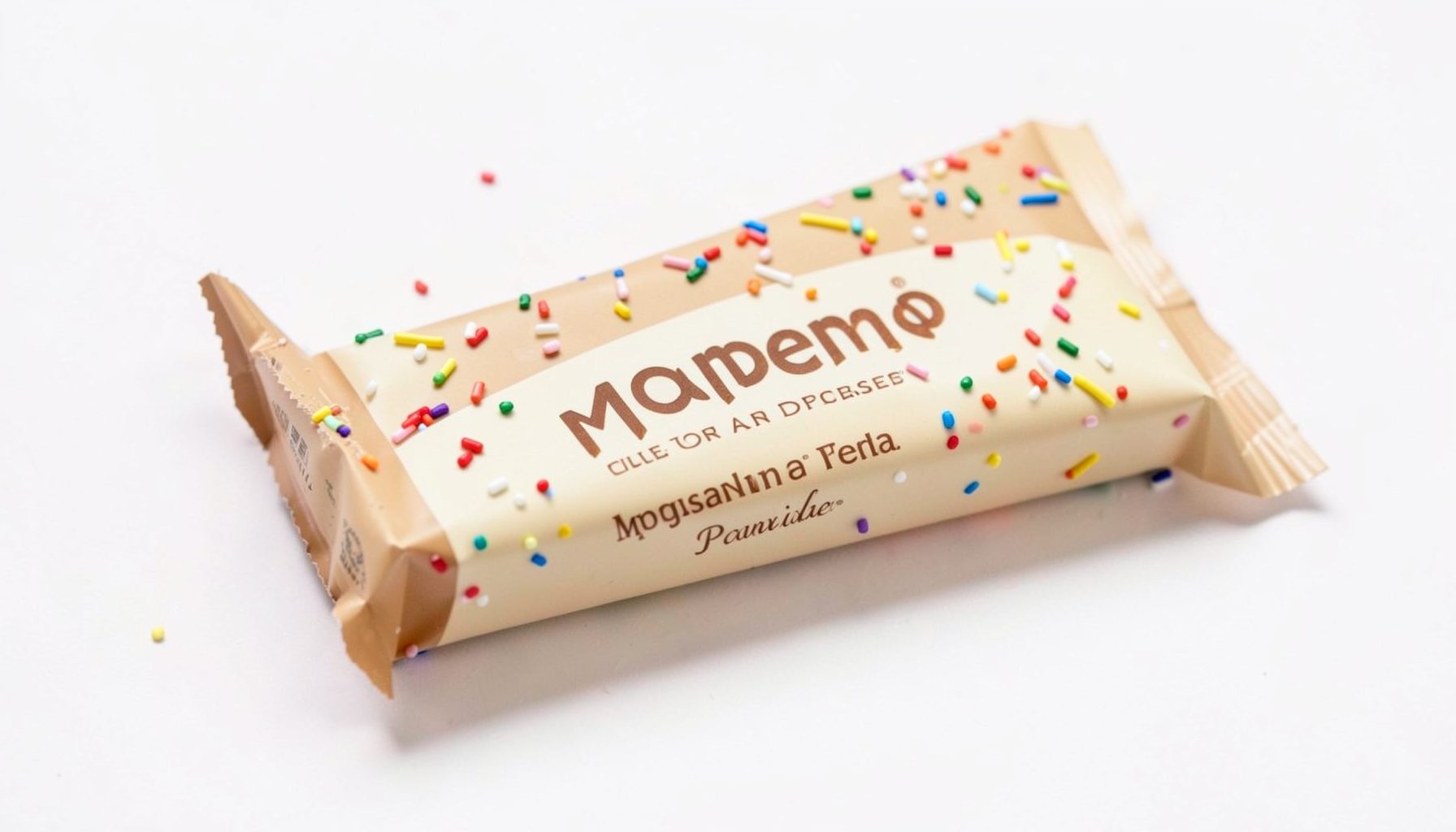
Birthday Cake
Celebratory flavor with a sweet, cake-inspired profile. Available in 1-pack and 10-pack.
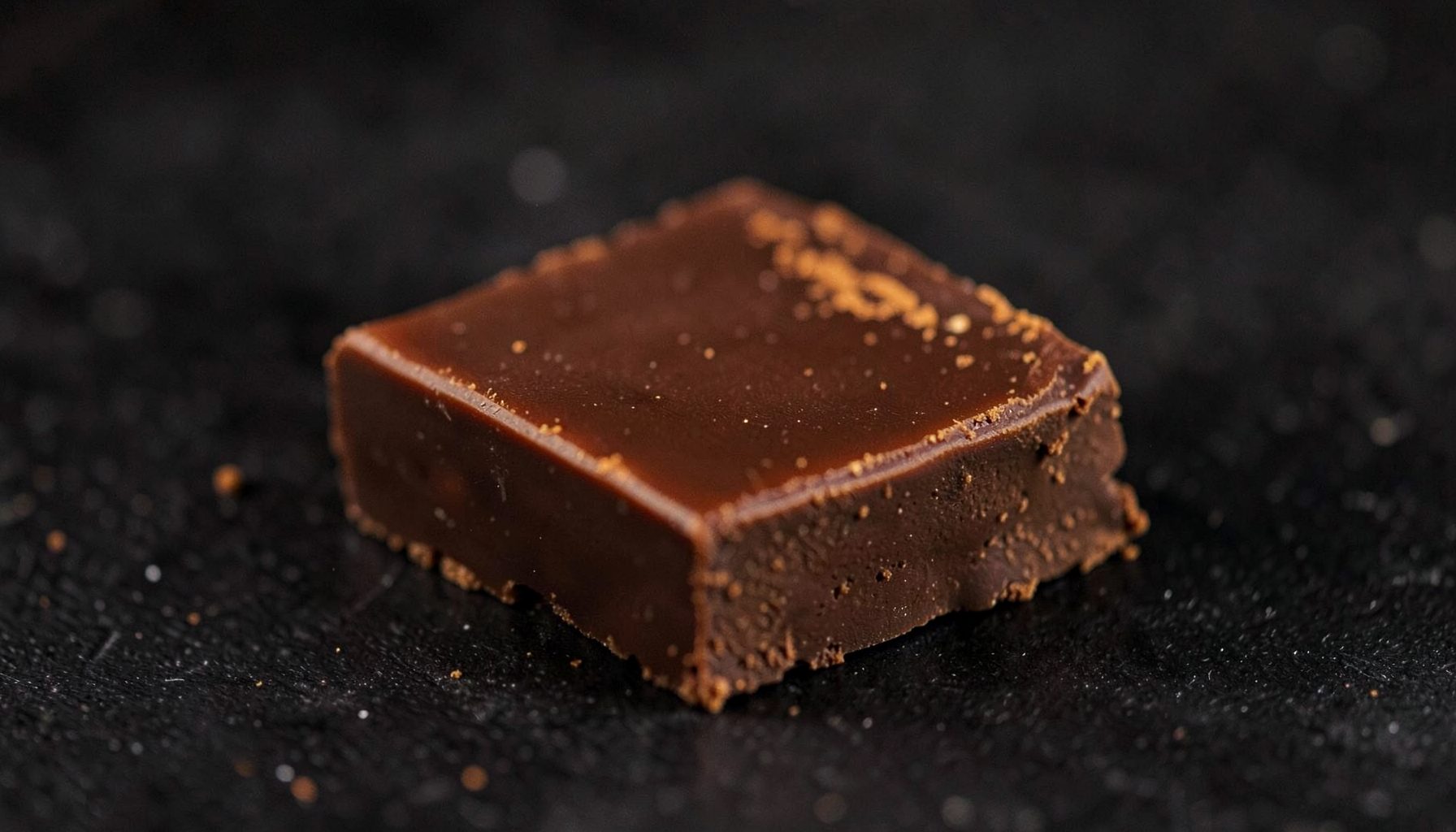
Cinnamon
Warm spiced chocolate with a smooth finish. Single bars and bulk packs available.
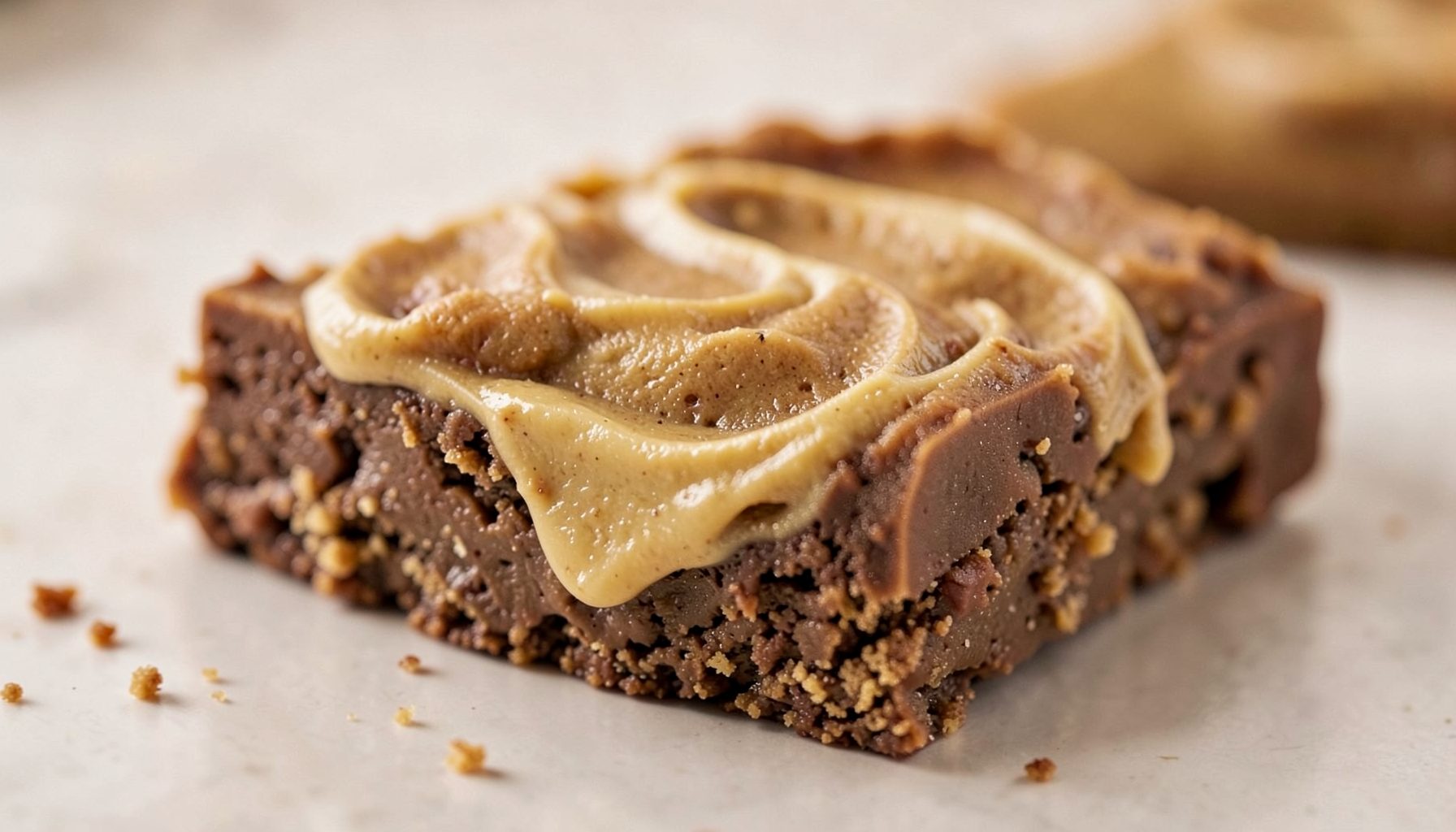
Cookie Butter
Rich, buttery cookie flavor in every bite. Offered in 1-pack and 10-pack options.
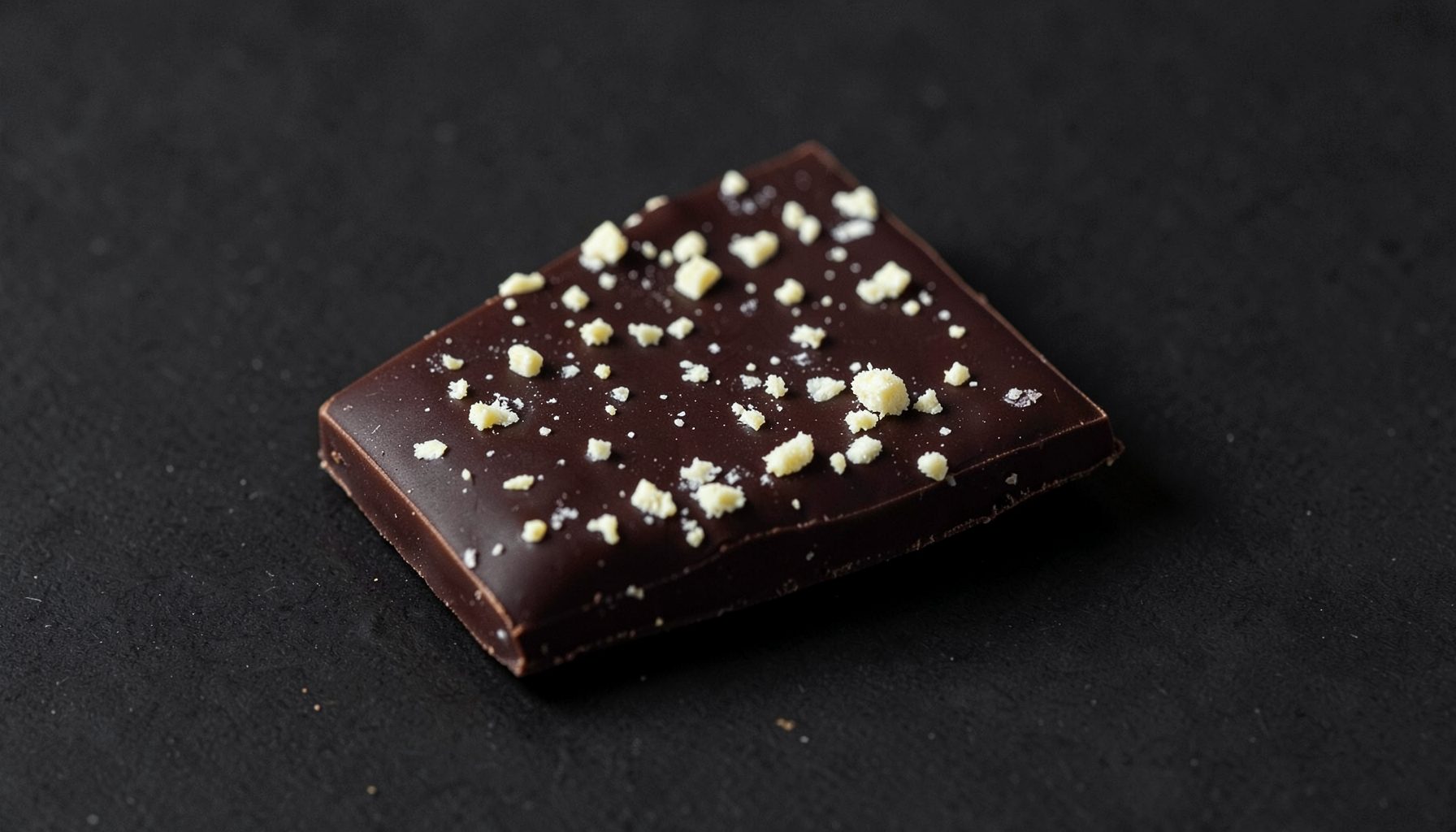
Cookies & Cream
Classic cookies-and-cream taste with a mushroom chocolate twist. 1-pack and 10-pack.
Why We Use Natural Fruit Extracts Instead of Artificial Flavorings
Flavor is one of the first things people notice when they open a mushroom-infused chocolate bar, gummy, or cone. It shapes the aroma, taste, and overall experience before the product is even sampled. For that reason, flavor development deserves the same care as ingredient sourcing, texture, and portion guidance.
At Diamond Shruumz, we choose natural fruit extracts and other recognizable flavor ingredients whenever they fit the recipe. This approach helps us create bright, layered profiles that complement mushroom-based formulas without allowing artificial flavor systems to dominate the finished product.
Natural flavoring is not a shortcut, and it does not automatically make a product better. Each extract must be selected, tested, and balanced for stability, taste, and compatibility with chocolate or gummy bases. The goal is a clean, enjoyable flavor that supports a transparent product experience.
Flavor begins with the ingredient story
Fruit extracts are made from fruit or fruit-derived aromatic compounds and can contribute a more nuanced profile than a single synthetic flavor molecule. Citrus, berry, tropical, and stone-fruit notes often contain several layers of aroma, which can make a flavor feel fuller and less one-dimensional.
That difference matters in mushroom-infused products. Mushrooms can have earthy, herbal, or savory characteristics, while chocolate brings roasted cocoa notes and gummies provide a soft, sweet base. Natural fruit extracts help connect these elements by adding acidity, brightness, or a familiar finish.
Our interest in mushroom products also reflects a longer cultural story. Across different regions and eras, fungi have appeared in foodways, rituals, and wellness traditions, as described in this history of mushroom use. Flavor is part of that broader relationship with ingredients: it can make unfamiliar botanicals more approachable while preserving their distinctive character.
A more recognizable choice for consumers
Many shoppers now read ingredient panels carefully. They want to know where flavor comes from, how a product is formulated, and whether the sensory experience matches the description on the package. Natural fruit extracts can make that conversation easier because they align with familiar flavor language such as strawberry, orange, raspberry, mango, or lemon.
This does not mean every natural ingredient is automatically superior or that every artificial compound is unsafe. Both natural and artificial flavorings must be evaluated for quality, intended use, concentration, and regulatory compliance. Our preference is based on formulation values: recognizable inputs, a straightforward flavor profile, and fewer reasons for consumers to wonder what creates the taste.
Ingredient transparency also extends beyond flavor. Clear serving information, pack sizes, sourcing details, and product descriptions help customers make informed choices. A natural flavor strategy works best when it is part of that larger commitment rather than a marketing phrase used in isolation.
Balancing taste, texture, and potency
A flavor extract must work within the entire recipe. Chocolate requires ingredients that can disperse evenly without interfering with snap, melt, or mouthfeel. Gummies need flavor systems that remain pleasant after heating, setting, and storage. Cones add another challenge because their filling and exterior can influence how quickly aroma is perceived.
The extract also has to complement the product’s intended character. A sharp citrus note may lift cocoa, while berry can soften earthy tones and tropical fruit can add a vivid top note. Too much, however, may create an overly sweet or perfumed result. Careful testing allows the flavor to remain noticeable without masking the other ingredients.
| Product format | Flavor goal | Natural extract considerations |
|---|---|---|
| Chocolate bars | Balance cocoa richness with brightness | Must disperse smoothly and avoid disrupting texture |
| Gummies | Provide a clear, lasting fruit profile | Should remain stable through heating and setting |
| Cones | Add aroma without overpowering the filling | Needs to complement both the shell and interior |
| Mixed flavor collections | Offer variety across a product range | Requires consistent naming, dosing, and sensory testing |
A satisfying flavor can also encourage a more deliberate serving experience. Customers should still follow package directions, pay attention to serving sizes, and avoid assuming that a pleasant taste indicates a specific effect. Flavor improves enjoyment, but it does not replace responsible product use.
From flavor idea to finished product
Creating a new flavor begins with a concept rather than a bottle of extract. The team may start with a seasonal profile, a familiar fruit pairing, or a contrast designed to work with cocoa or a gummy base. From there, samples are compared for aroma, sweetness, acidity, aftertaste, and compatibility with the rest of the formula.
The process often involves several rounds of adjustment. A fruit note that tastes fresh on its own may become muted in chocolate. A flavor that works well in a gummy may feel too intense in a cone. The development journey from concept to launch helps explain why a polished product requires more than choosing an appealing name.
Testing also considers consistency. A product should taste as close as possible from batch to batch, and its flavor should remain stable throughout its intended shelf life. Sensory review, ingredient documentation, and production controls all contribute to that result.
Why artificial flavorings are not our first choice
Artificial flavorings can be effective, stable, and widely used in the food industry. They may also deliver a highly concentrated note at a lower cost or solve technical problems that natural extracts cannot. We do not treat the word “artificial” as a complete assessment of an ingredient’s quality.
Our decision is more specific: when a natural fruit extract can deliver the flavor, texture, and stability we need, we prefer to use it. This choice supports a product identity built around familiar ingredients and a less heavily engineered sensory profile.
There are practical limits. Natural extracts can vary by source, may require more formulation work, and sometimes produce subtle flavor differences. Rather than hiding those realities, we account for them through supplier review, recipe testing, and quality checks. A natural approach has value when it is supported by disciplined manufacturing.
What to look for in a flavor-focused product
Consumers can evaluate a mushroom-infused product by looking beyond a flavor name. The ingredient panel, serving guidance, package information, and storage instructions provide useful context. A descriptive flavor should be supported by a formula that is consistent with the product’s presentation.
For chocolate lovers, the chocolate bar collection offers a practical example of how cocoa and fruit-inspired notes can work together. The best pairing depends on personal preference, but balanced flavor can make the product easier to appreciate without requiring an overly sweet coating or an intense artificial aroma.
A thoughtful selection process can include:
- Check whether the flavor description matches the listed ingredients.
- Look for clear serving guidance and follow the recommended amount.
- Consider how fruit notes may interact with chocolate, gummies, or cones.
- Store the product according to the package directions to protect flavor quality.
- Choose familiar profiles first if you are new to mushroom-infused products.
Natural fruit extracts are one part of a broader quality philosophy. They help create recognizable flavor, support balanced recipes, and give customers a clearer connection to what they are tasting. Explore the Diamond Shruumz collection to find a fruit-inspired profile that fits your preferences, and review the product information before making it part of your routine.

Send Us a Message
Get in Touch
Have questions about our products or your order? Reach out and we'll get back to you.
- California, USA
- Contact Page