
California • Est. 2019
Premium mushroom chocolate bars, gummies, and cones crafted in California. Bold flavors, uncompromising quality, and a brand built from the ground up.
Explore the CollectionOur Collection
Shruumz Chocolates & Gummies
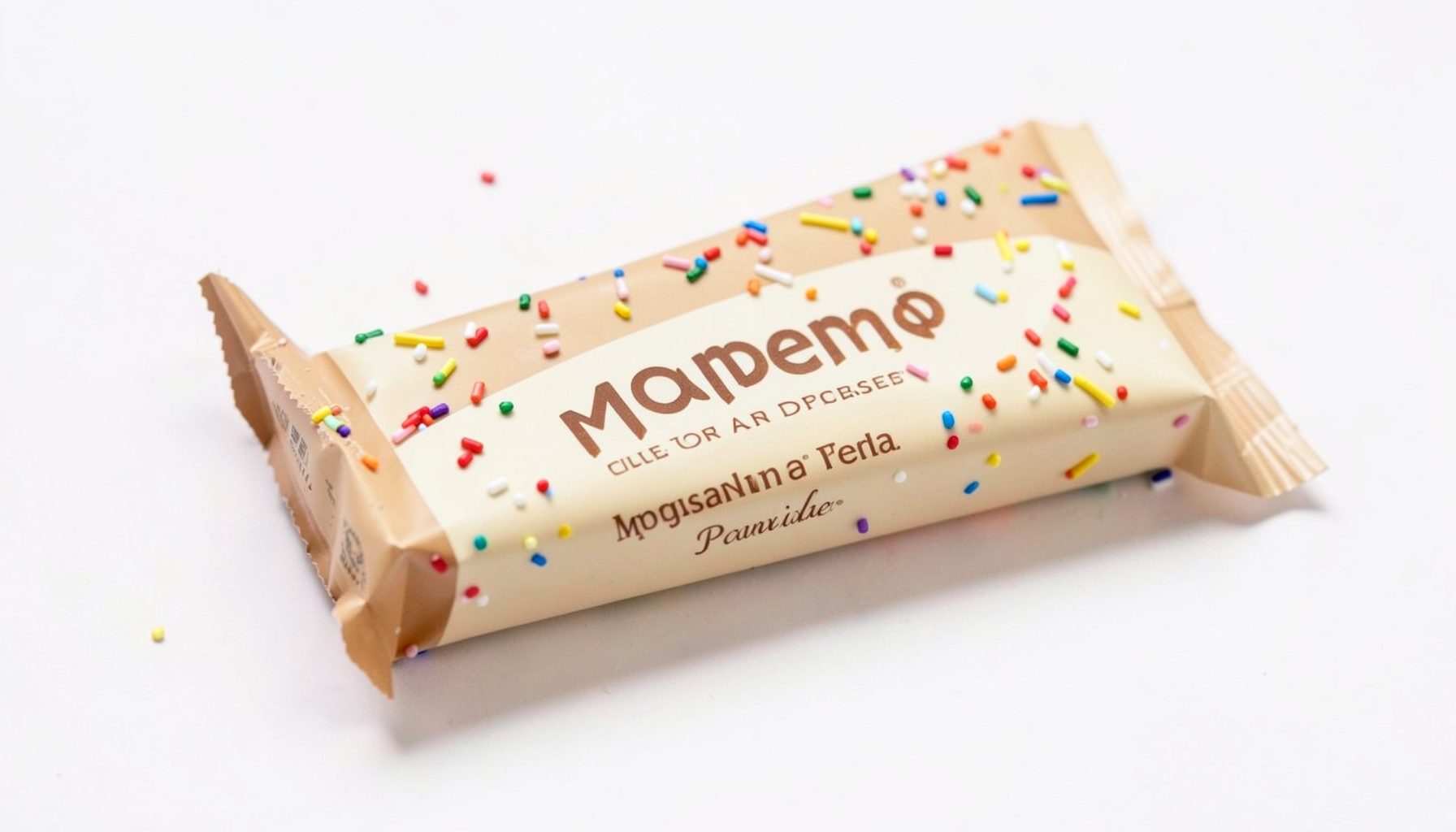
Birthday Cake
Celebratory flavor with a sweet, cake-inspired profile. Available in 1-pack and 10-pack.
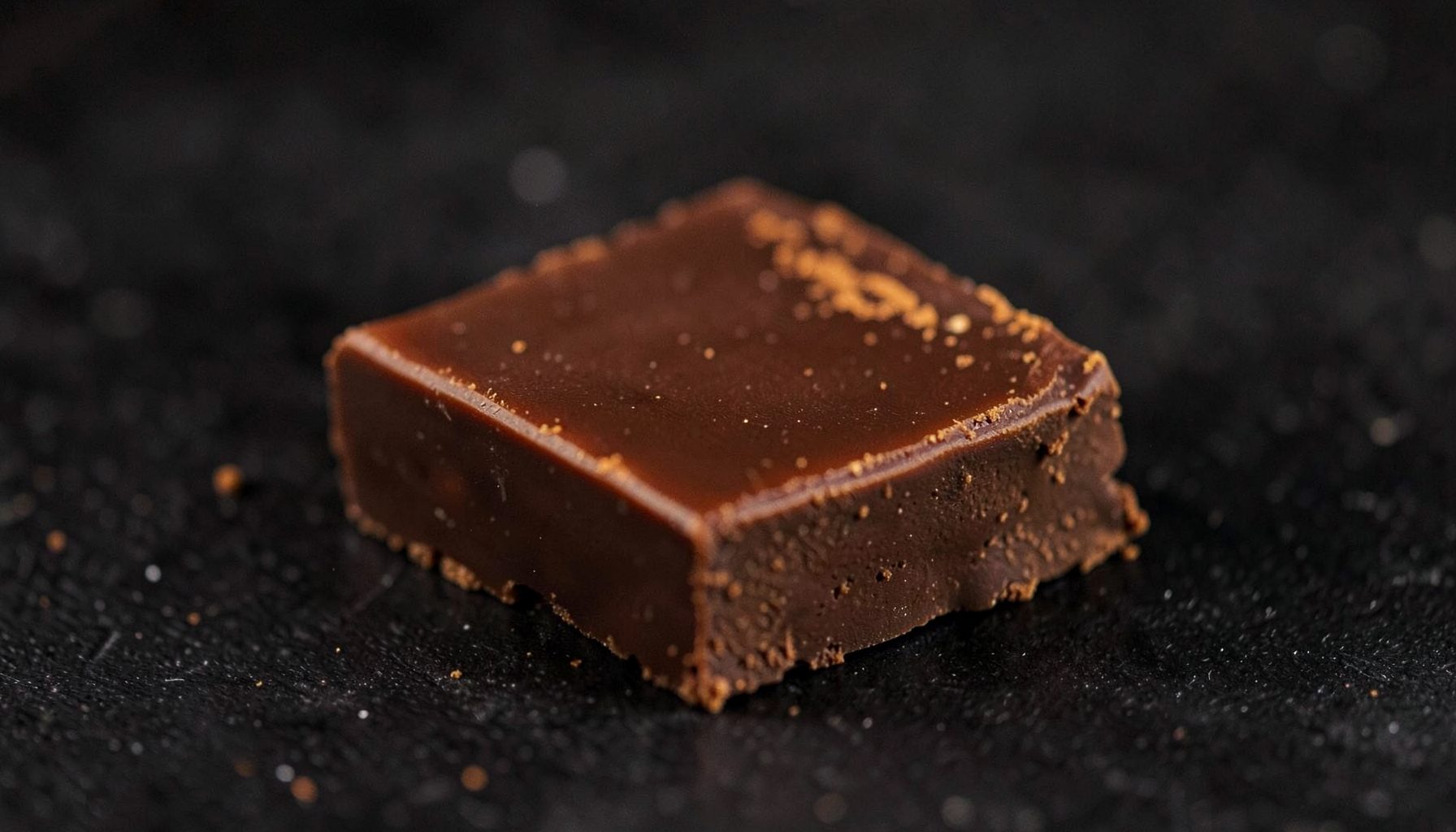
Cinnamon
Warm spiced chocolate with a smooth finish. Single bars and bulk packs available.
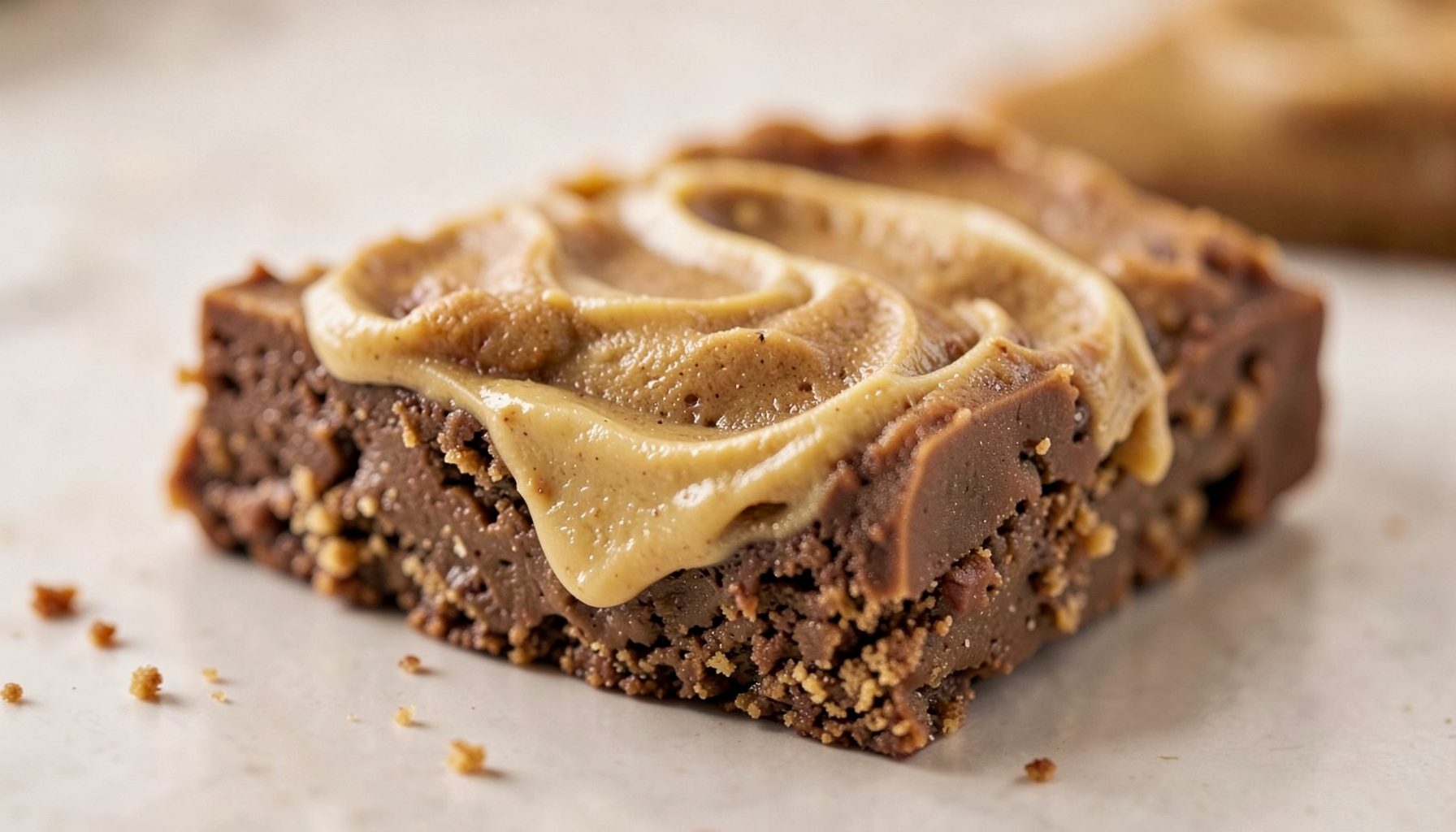
Cookie Butter
Rich, buttery cookie flavor in every bite. Offered in 1-pack and 10-pack options.
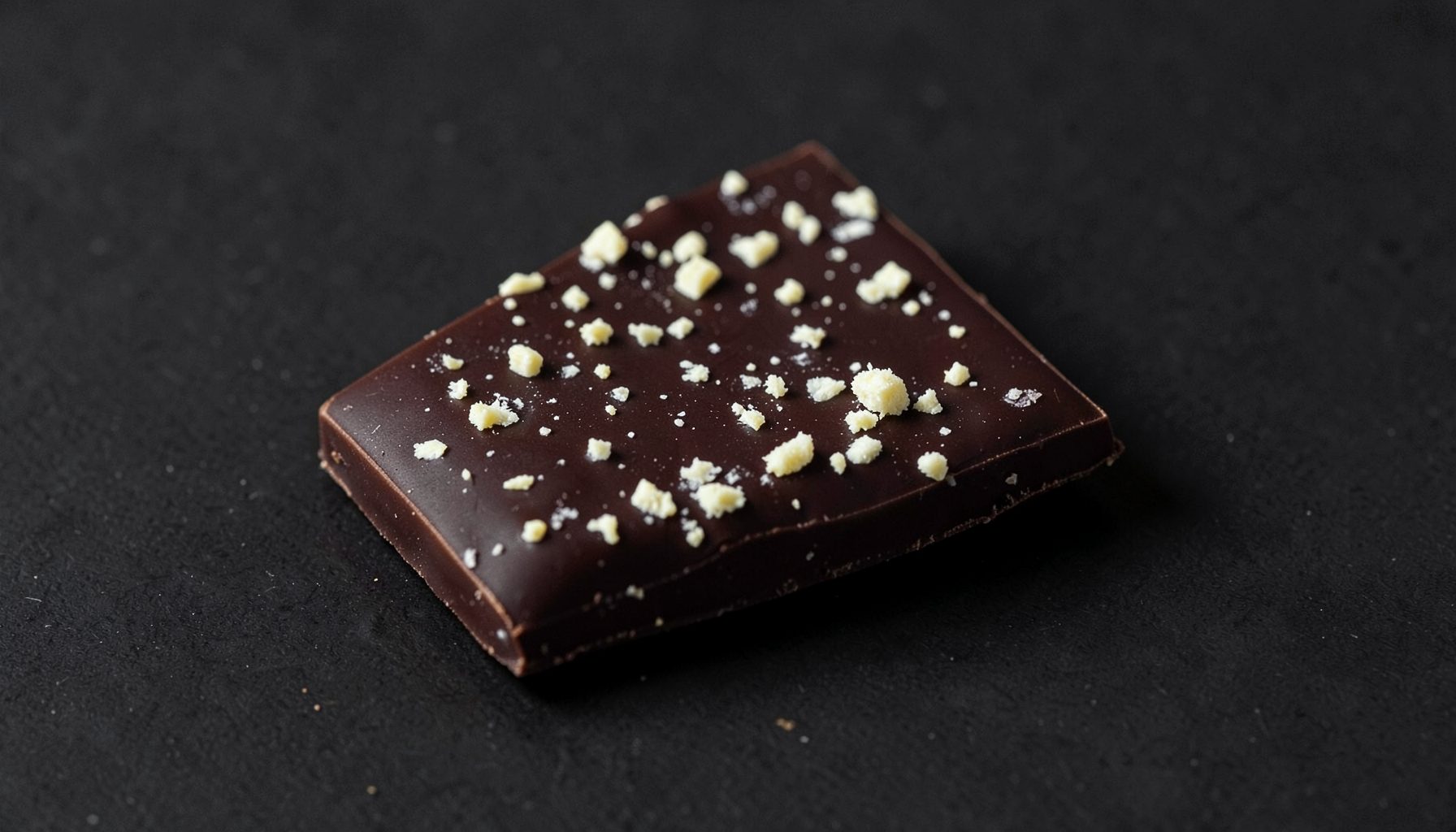
Cookies & Cream
Classic cookies-and-cream taste with a mushroom chocolate twist. 1-pack and 10-pack.
Why our chocolate melts differently than store brands
Chocolate can look like a simple snack, yet its texture depends on a precise balance of cocoa solids, cocoa butter, sweeteners, added fats, flavorings, and inclusions. A bar that softens quickly in your hand may have a different recipe from one that stays firm for longer, even when both appear equally glossy and smooth.
For Diamond Shruumz, melting behavior is part of the product experience. Our mushroom-infused chocolate bars are developed with attention to flavor, texture, portioning, and ingredient consistency. That means the finished bar may respond differently to warmth than a mass-market chocolate designed for long shelf stability or rapid, high-volume production.
Melting is also affected by the environment. A warm delivery vehicle, a sunny countertop, high humidity, or repeated temperature changes can alter the way any chocolate behaves. Understanding those variables helps explain why a specialty chocolate may soften, snap, or melt in ways that differ from familiar store brands.
Cocoa butter creates the first point of difference
Chocolate’s primary melting character comes from its fat phase, especially cocoa butter. Cocoa butter is solid at typical room temperature but begins to soften close to body temperature. That is why well-made chocolate can feel firm when picked up and then become creamy in the mouth.
The proportion and structure of cocoa butter influence snap, gloss, and melt speed. Chocolate that has been carefully tempered develops stable fat crystals, helping it hold its shape and break cleanly. When the product warms, those crystals gradually loosen. A recipe with a different cocoa butter balance, or one containing other plant-based fats, may soften more quickly or leave a different finish.
Specialty bars can also contain ingredients that change how heat moves through the piece. Mushroom material, flavor powders, fruit components, crispy inclusions, and natural colorants may interrupt the smooth fat network found in a plain chocolate bar. The result can be a softer, denser, or more textured melt.
Recipe design affects texture and flow
Store-brand chocolate is often formulated for a broad retail environment. It may need to withstand warehouse storage, long transport routes, display cases, and frequent handling. To meet those demands, manufacturers can use highly standardized recipes and processing methods that prioritize consistent firmness across many conditions.
A smaller-batch or specialty product may place greater emphasis on flavor combinations and the relationship between chocolate and its added ingredients. Our approach to new varieties considers how sweetness, cocoa intensity, acidity, aroma, and texture work together; the flavor design process reflects that broader development focus.
Sugar content, milk ingredients, emulsifiers, and powdered additions all influence viscosity. More finely milled particles can create a smoother sensation, while larger or more absorbent particles may make a chocolate feel thicker. A bar can therefore melt more slowly on the surface but feel rich and concentrated once it warms.
Mushroom ingredients can change the mouthfeel
Mushroom-infused chocolate is different from a plain cocoa confection because the chocolate is carrying an additional ingredient system. The form of that material—such as a powder, blend, or extract—can affect density, flavor release, and how evenly the ingredients are distributed throughout the bar.
Mushroom ingredients may also bring earthy, roasted, or umami notes that interact with cocoa. Balancing those flavors can require adjustments to sweetness, cocoa intensity, and supporting ingredients. Those changes may influence the bar’s firmness without indicating a defect.
Ingredient sourcing is another part of the formulation conversation. Diamond Shruumz provides information about mushroom sourcing, helping customers understand that the character of an infused chocolate begins well before the finished bar is packaged. For any product containing functional or psychoactive ingredients, read the label carefully and follow applicable age, legal, and serving guidance.
Tempering and cooling shape the snap
Tempering is the controlled heating and cooling of chocolate to encourage a stable cocoa butter crystal structure. Proper tempering supports a polished appearance, clean break, and predictable softening. If chocolate is exposed to excessive heat or fluctuating temperatures after tempering, that structure can be disrupted.
A bar that has experienced temperature stress may develop pale streaks or a dusty-looking surface called bloom. Fat bloom occurs when cocoa butter migrates and recrystallizes, while sugar bloom can result from moisture dissolving sugar and leaving crystals behind. Bloom can change appearance and texture, although it does not automatically mean the chocolate is unsafe.
The way a product is cooled during production also matters. Rapid cooling, gradual cooling, mold shape, and bar thickness can all affect how the chocolate sets. A thick piece may remain firm in the center while its edges soften, whereas a thinner piece can warm more evenly.
| Feature | Specialty mushroom chocolate | Typical store-brand chocolate |
|---|---|---|
| Main design priority | Flavor, texture, infusion, and portioning | Broad distribution and uniform retail stability |
| Ingredient profile | Cocoa with mushroom material and flavor additions | Often a simpler, highly standardized formula |
| Melt behavior | May soften according to its cocoa butter and inclusions | Usually optimized for familiar firmness |
| Texture changes | Can feel dense, creamy, or slightly varied | Often smoother and more uniform |
| Temperature sensitivity | Influenced by formulation and added ingredients | Influenced mainly by cocoa, milk, and sugar system |
Storage can transform the eating experience
Chocolate should generally be stored in a cool, dry place away from direct sunlight, strong odors, and large temperature swings. Heat can soften the bar, while humidity can affect the surface and create sugar bloom. Refrigeration may help during unusually warm conditions, but an airtight package is important because chocolate can absorb nearby odors and condensation.
If a bar has been chilled, allow it to return gradually toward room temperature before opening. Removing cold chocolate directly into a humid room can encourage moisture to form on the surface. That moisture can affect the finish and create a grainier texture.
Avoid leaving infused chocolate in a hot car, near a window, or beside a cooking appliance. Store it securely and follow the package directions, particularly when products contain ingredients that require responsible use. Keep all mushroom-infused products away from children and anyone who should not consume them.
What a different melt tells you
A faster melt does not necessarily mean a lower-quality chocolate. It may reflect a higher cocoa butter proportion, a warmer storage history, a thinner bar, or a formulation built around a more delicate texture. Likewise, a firm bar may contain a different fat balance or have been kept in a cooler environment.
Pay attention to several signals together: appearance, aroma, snap, mouthfeel, and the condition of the packaging. Mild changes after warmth are often explained by temperature exposure. Strong off-odors, damaged packaging, unexpected moisture, or other unusual signs are reasons to avoid consuming the product and to contact the seller or manufacturer.
For customers comparing varieties, pack sizes, and flavors, the available collection offers a way to explore the brand’s current selection while keeping product details and serving information in view. Each variety may have its own balance of cocoa, flavoring, and mushroom ingredients, so a different melt is part of the broader formulation profile.
Habits that preserve texture and flavor
- Keep chocolate sealed in a cool, dry, odor-free location.
- Protect it from sunlight, radiators, hot vehicles, and kitchen heat.
- Let chilled bars warm gradually before opening the package.
- Handle infused products according to the label and applicable local requirements.
- Inspect the packaging and appearance before consuming any product.
A chocolate bar’s melt is the result of many small decisions: cocoa butter structure, ingredient particle size, tempering, bar thickness, mushroom preparation, packaging, and storage. Store brands are usually engineered for a highly consistent retail journey, while specialty chocolate may express a more distinctive balance of flavor and texture.
That difference is intentional. Diamond Shruumz products are made to bring together chocolate and mushroom ingredients in a carefully developed format, with attention to sourcing, variety, and responsible product information. Store your bar well, follow its label, and explore the collection with the understanding that texture is part of what makes each recipe distinct.

Send Us a Message
Get in Touch
Have questions about our products or your order? Reach out and we'll get back to you.
- California, USA
- Contact Page